

If you walk through almost any city in China, one thing quickly becomes clear: food stalls are everywhere.
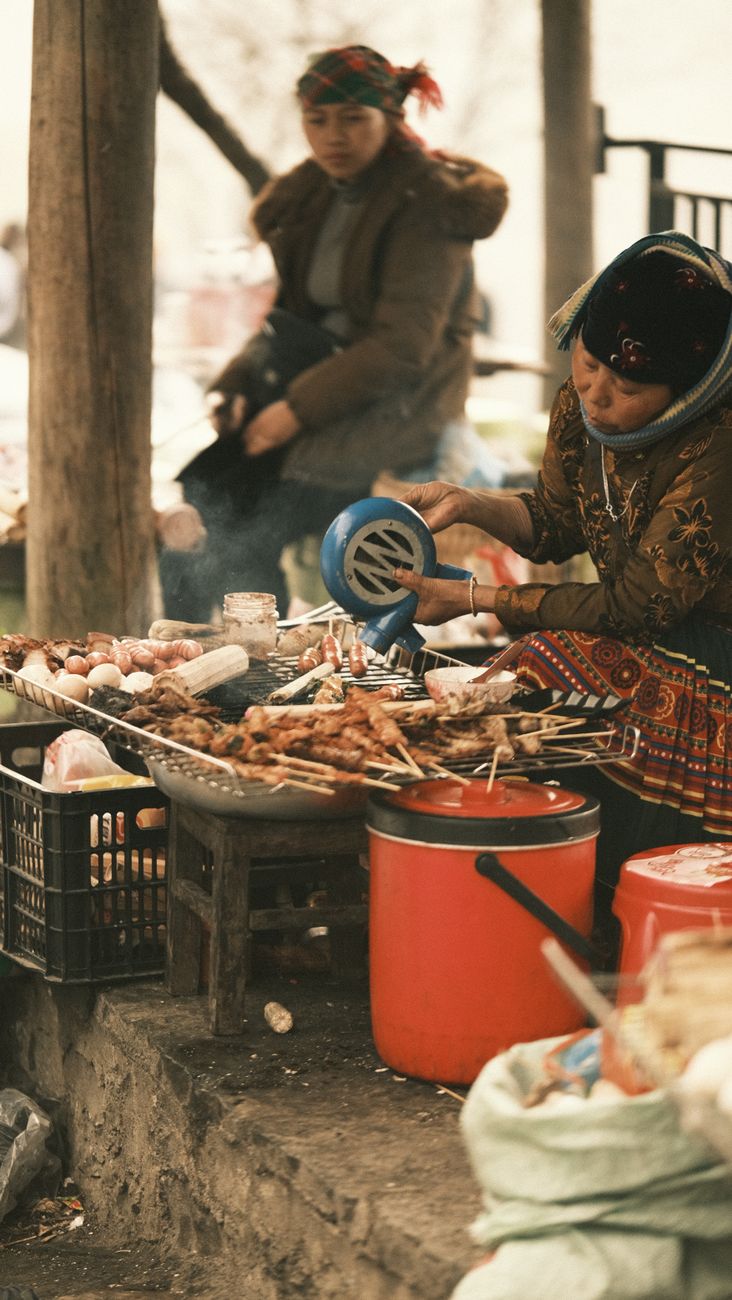
From early morning breakfast carts to late-night snack stands, street food is an essential part of urban life. You can find steaming buns on quiet residential streets, sizzling skewers near subway exits, and entire night markets glowing with lights and energy.
For many visitors, the number of food stalls feels surprising. But in China, this is not random—it is the result of culture, lifestyle, and urban development.
So why do Chinese cities have so many food stalls?
Street Food Is Part of Daily Life, Not Just Tourism
In many countries, street food is seen mainly as something for tourists.
In China, it is different.
Street food is part of everyday life.
People rely on food stalls for:
- Breakfast before work
- Quick lunch during the day
- Snacks in the afternoon
- Dinner on the way home
- Late-night meals after social activities
For many people, eating from a street stall is just as normal as cooking at home or eating in a restaurant.
Fast-Paced Urban Lifestyle
Chinese cities are extremely fast-moving.
Millions of people commute long distances, work long hours, and live busy schedules.
Food stalls exist because they provide:
- Fast service
- Affordable meals
- Convenient locations
- Ready-to-eat options
Instead of sitting down in a restaurant, people can grab food in minutes and continue their day.
Street food fits perfectly into this lifestyle.
High Population Density Creates Demand
Many Chinese cities are densely populated.
This creates a natural demand for:
- Quick meals
- Low-cost food options
- Accessible food near residential areas
Where there are many people, food vendors naturally appear.
A single street can support dozens of small food businesses because of constant customer flow.
Low Barrier to Entry for Vendors
Starting a food stall is much easier than opening a restaurant.
Compared to formal restaurants, street stalls usually require:
- Small initial investment
- Minimal equipment
- Simple cooking setup
- Flexible working hours
This makes it an attractive job option for many people.
Street food also allows small family-run businesses to survive in competitive cities.
Night Markets and Local Regulations
In many cities, local governments organize designated areas for street food.
These areas often become:
- Night markets
- Snack streets
- Food zones near subway stations
Instead of banning street vendors completely, many cities regulate and concentrate them in specific zones.
This creates lively food districts rather than eliminating street food culture.
Cultural Importance of Eating Together
Food in China is deeply social.
People often:
- Eat together after work
- Share snacks while walking
- Meet friends in night markets
- Gather around street food stalls
Street food naturally supports this social lifestyle because it is:
- Easy to share
- Quick to buy
- Available in groups of stalls
It is not just about eating—it is about interaction.
Variety and Constant Innovation
Another reason food stalls are so common is variety.
Street vendors constantly compete by offering:
- New flavors
- Regional specialties
- Seasonal snacks
- Creative fusion foods
This competition keeps street food culture alive and evolving.
In many cities, you can find everything from traditional snacks to modern twists like cheese-filled pancakes or spicy fusion skewers.
Why It Feels Different to Foreign Visitors
For many foreign travelers, Chinese streets can feel like an open-air food festival.
This is because:
- Food is available almost everywhere
- Vendors operate throughout the day and night
- There is little separation between residential and food areas
- Eating in public spaces is normal
What feels unusual to visitors is actually everyday life for locals.
Street Food Reflects Urban China
Food stalls are not just about eating.
They reflect:
- Economic flexibility
- Urban density
- Fast-paced lifestyles
- Strong food culture
- Social behavior patterns
They are a visible layer of how modern Chinese cities function.
Final Thoughts
The large number of food stalls in Chinese cities is not accidental.
It is the result of a system where culture, convenience, population, and economics all come together.
For locals, it is simply part of daily life.
For visitors, it becomes one of the most memorable and colorful parts of exploring China.
Whether it is a breakfast cart at sunrise or a night market at midnight, street food is always just a few steps away in Chinese cities.