


Introduction: The Drink That Built a City
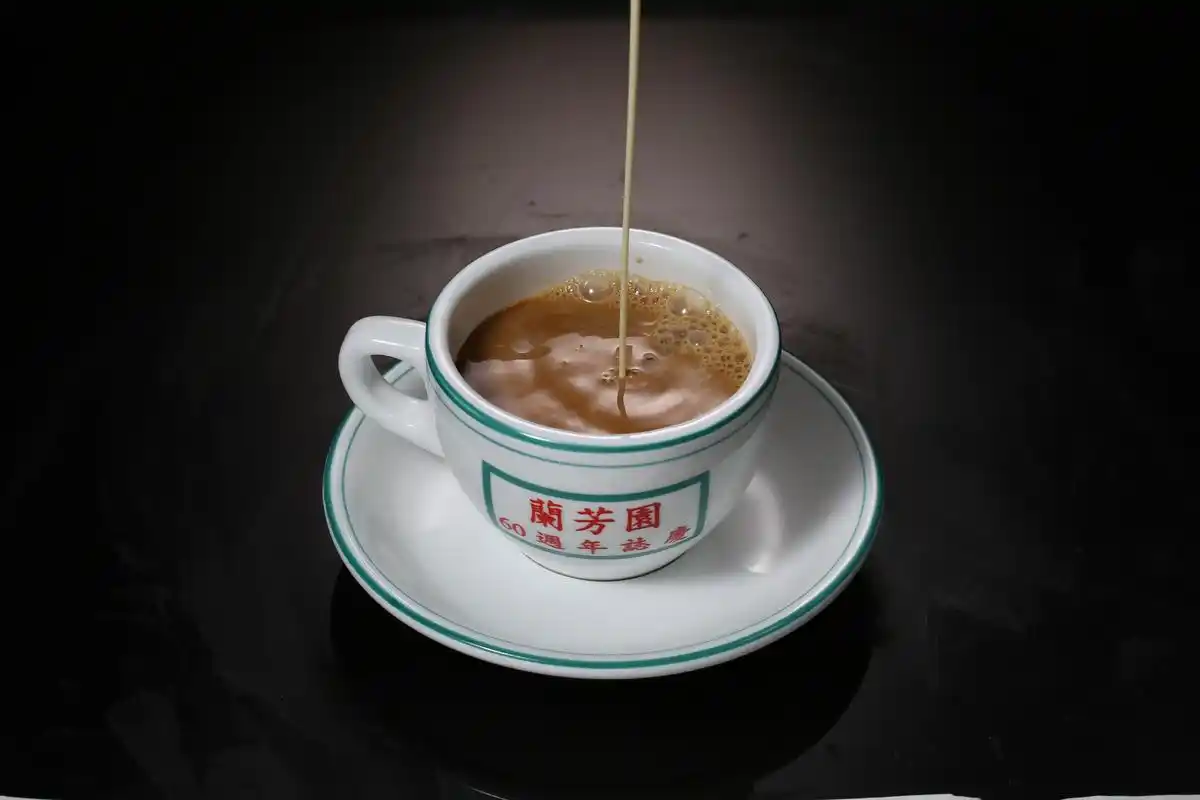
If Italy has espresso and Britain has afternoon tea, then Hong Kong has milk tea.
Walk into almost any traditional Hong Kong café.
You’ll hear cups clinking.
You’ll smell freshly brewed tea leaves.
And you’ll see countless customers drinking a rich, amber-colored beverage known simply as:
Hong Kong Milk Tea.
To outsiders, it may seem ordinary.
After all, tea with milk exists all over the world.
But one sip quickly reveals that Hong Kong milk tea is something different.
It is stronger.
Richer.
Smoother.
More intense.
And perhaps most surprisingly, it owes its existence to a meeting between East and West that began more than a century ago.
Today, Hong Kong milk tea is more than just a drink.
It is a symbol of the city’s identity.
What Is Hong Kong Milk Tea?
Hong Kong milk tea is a black tea beverage mixed with evaporated milk or condensed milk.
Unlike many Western milk teas, it is known for:
- Strong tea flavor
- Smooth texture
- Rich body
- Deep aroma
The tea is traditionally brewed using multiple varieties of black tea leaves.
The result is a drink with remarkable complexity.
Many locals consider it impossible to replace.
Why Is It Called “Silk Stocking Milk Tea”?
This is the first mystery that confuses most visitors.
No, silk stockings are not ingredients.
The name comes from the brewing process.
Traditionally, tea is filtered through a long cloth strainer.
After years of use, the strainer gradually darkens from tea stains.
Eventually, it resembles a silk stocking.
Locals began calling the drink:
Silk Stocking Milk Tea.
The nickname stuck.
Today it remains one of Hong Kong’s most famous culinary terms.
The British Connection
To understand Hong Kong milk tea, we must understand Hong Kong history.
For more than 150 years, Hong Kong was under British administration.
During that period, tea drinking became deeply embedded in local life.
The British popularized:
- Black tea
- Milk tea
- Afternoon tea traditions
However, local residents did not simply copy British customs.
Instead, they adapted them.
The result was something entirely new.
Hong Kong milk tea became a Chinese interpretation of a British habit.
Why Hong Kong Tea Tastes Different From British Tea
British tea is often relatively mild.
Hong Kong milk tea is much stronger.
Why?
Because local customers preferred a bolder flavor.
To achieve this, tea masters developed blends using several types of black tea leaves.
The tea is brewed repeatedly to maximize flavor extraction.
The final drink contains a richness that surprises many first-time visitors.
Some describe it as the espresso of the tea world.
The Art of “Pulling” Tea
One of the most fascinating traditions involves repeatedly pouring tea between containers.
Tea makers often transfer the liquid back and forth multiple times.
This process helps:
- Improve texture
- Blend flavors
- Enhance smoothness
- Maintain temperature
Watching an experienced tea master prepare milk tea can feel almost like watching a performance.
The technique requires practice and precision.
The Secret Ingredient: Evaporated Milk
Many foreign visitors expect fresh milk.
Instead, traditional Hong Kong milk tea usually uses:
Evaporated milk.
This ingredient creates the drink’s distinctive richness.
Unlike fresh milk, evaporated milk contributes:
- Creamier texture
- Fuller body
- Slight caramel notes
The combination works perfectly with strong black tea.
For many locals, using fresh milk simply doesn’t taste right.
The Birth of the Cha Chaan Teng
Hong Kong milk tea became famous through a unique type of restaurant known as:
Cha Chaan Teng (茶餐厅).
These cafés emerged during the twentieth century.
They served affordable meals inspired by both Chinese and Western cuisines.
Customers could order:
- Milk tea
- Toast
- Instant noodles
- Pineapple buns
- Macaroni soup
The menu might seem strange to outsiders.
But these restaurants became the heart of everyday Hong Kong life.
Why Office Workers Love It
Coffee may dominate many Western cities.
In Hong Kong, milk tea has long been the preferred fuel of workers.
The drink provides:
- Caffeine
- Comfort
- Familiarity
Many people begin their day with a cup.
Others enjoy it during lunch breaks or afternoon meetings.
For generations, milk tea has been part of the city’s daily rhythm.
Hot or Cold?
One interesting feature of Hong Kong milk tea is that it can be served both ways.
Hot Milk Tea
The traditional choice.
Perfect for breakfast or cooler weather.
Iced Milk Tea
Extremely popular during Hong Kong’s hot and humid summers.
Served over ice, it becomes one of the city’s most refreshing drinks.
Both versions have passionate supporters.
The Milk Tea Masters
In Hong Kong, preparing milk tea is considered a serious craft.
Some tea makers spend years perfecting their technique.
Competitions are even held to determine who makes the best milk tea.
Judges evaluate:
- Aroma
- Smoothness
- Strength
- Balance
This level of dedication reflects the drink’s cultural importance.
Why Tourists Become Addicted
Many visitors expect something similar to ordinary tea with milk.
Instead, they encounter a beverage with surprising depth.
The strong tea flavor balances perfectly with the creamy milk.
The result is both refreshing and comforting.
It’s common for travelers to return home craving Hong Kong milk tea.
More Than a Beverage
For locals, milk tea carries emotional significance.
It evokes memories of:
- School days
- Family breakfasts
- Late-night meals
- Conversations with friends
Like many beloved foods, its importance goes beyond taste.
It is part of the city’s collective memory.
The UNESCO Connection
In recent years, traditional Hong Kong milk tea-making techniques have gained recognition as an important element of local cultural heritage.
Many residents view the drink not simply as food but as a reflection of Hong Kong’s unique historical identity.
It represents a blend of:
- Chinese culture
- British influence
- Local innovation
Few foods capture Hong Kong’s story so effectively.
Common Mistakes Tourists Make
Mistake #1: Comparing It to Bubble Tea
They are completely different drinks.
Mistake #2: Expecting Light Tea
Hong Kong milk tea is intentionally strong.
Mistake #3: Assuming It Is Modern
Its roots stretch back generations.
Mistake #4: Drinking It Too Quickly
Locals often savor it slowly.
Why Historians Love This Drink
Hong Kong milk tea tells a larger story.
It demonstrates how cultures interact.
British tea traditions arrived in Asia.
Chinese communities adapted them.
A completely new beverage emerged.
This process reflects the broader history of Hong Kong itself.
The Symbol of East Meets West
Few drinks represent Hong Kong more perfectly.
The tea originated from Western influence.
The preparation techniques evolved locally.
The result belongs entirely to Hong Kong.
In a city famous for cultural fusion, milk tea became the ultimate symbol of East meeting West.
Why Foreigners Are Fascinated
Visitors often arrive looking for exotic foods.
Instead, they discover a drink that feels surprisingly familiar yet completely unique.
That combination makes Hong Kong milk tea unforgettable.
It is both local and global.
Traditional and modern.
Simple and sophisticated.
Conclusion: The Tea That Defines Hong Kong
Hong Kong milk tea may appear simple at first glance.
Tea.
Milk.
A cup.
Yet behind that simplicity lies a remarkable story of migration, colonial history, cultural adaptation, and culinary innovation.
For more than a century, it has fueled workers, comforted families, and accompanied countless conversations.
Today, it remains one of Hong Kong’s most beloved traditions.
And if you want to understand the soul of Hong Kong, there may be no better place to start than with a steaming cup of Silk Stocking Milk Tea.