



If you travel in China or spend time in Chinese restaurants, you will quickly notice something:
People rarely eat alone.
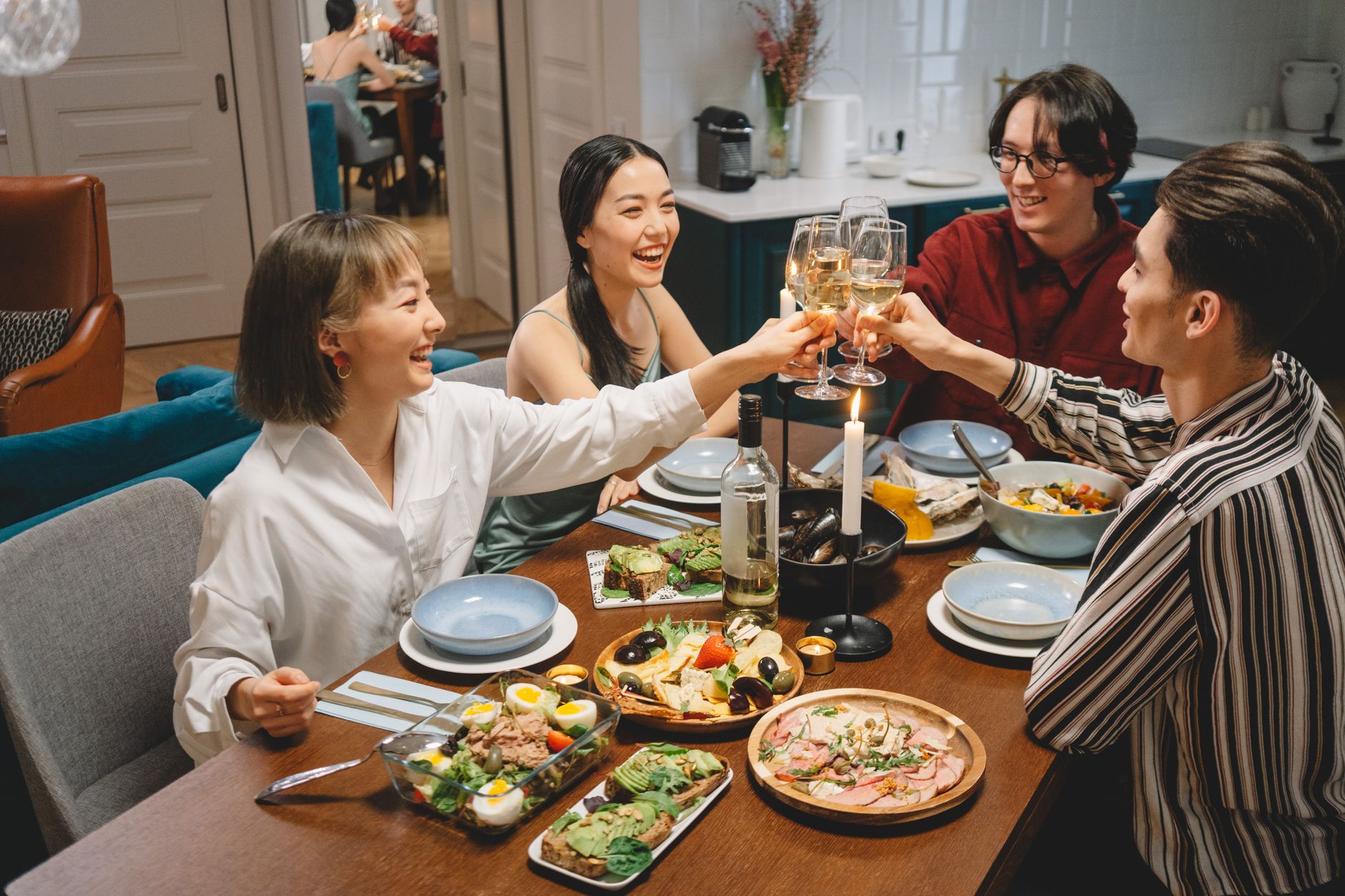
Whether it is a family meal, a group of friends, or even colleagues after work, eating in China is almost always a shared experience.
For many foreigners, especially those used to solo dining or quick individual meals, this can feel very different.
So why is eating together such an important part of Chinese culture?
Food Is Seen as Something to Share
In Chinese dining culture, food is not just about individual portions.
It is something that is meant to be shared across the table.
Instead of each person ordering a separate dish, meals are usually served in a way that encourages sharing:
- Several dishes placed in the center
- Everyone takes food from the same plates
- Variety is more important than individual portions
This style naturally creates a group dining experience.
Meals Are a Social Activity, Not Just Eating
In China, eating is closely connected to social relationships.
A meal is often a reason to:
- Spend time with family
- Meet friends
- Strengthen business relationships
- Celebrate small or big occasions
It is less about efficiency and more about connection.
Even simple meals can turn into long conversations around the table.
The Importance of Family Meals
Family meals have a particularly strong cultural meaning.
In many households, eating together is one of the few moments in the day when everyone gathers in the same place.
Food becomes a way to maintain connection between family members, especially in busy urban life.
This is why home-cooked meals are still highly valued even in fast-paced cities.
Restaurant Dining Is Designed for Groups
Many Chinese restaurants are designed with group dining in mind.
You will often see:
- Large round tables
- Lazy Susans for sharing dishes
- Multiple dishes served at once
- No strict course order
This setup naturally encourages interaction and sharing.
Even small restaurants are often prepared to accommodate groups rather than individuals.
Why Eating Alone Feels Uncommon
While eating alone is not unusual in modern China, it is still less common in social situations.
This is partly because:
- Food portions are designed for sharing
- Ordering multiple dishes is expected
- Dining out is often a social event
- Eating alone is sometimes seen as less enjoyable
However, in recent years, solo dining has become more common in big cities due to busy lifestyles.
The Role of Food in Relationships
In Chinese culture, food plays a symbolic role in relationships.
Sharing a meal can represent:
- Trust
- Friendship
- Respect
- Hospitality
This is why inviting someone to eat together is often the default way of building a relationship.
Contrast With Western Dining Habits
In many Western countries, it is normal for people to:
- Eat alone
- Order individual meals
- Finish quickly and leave
- Treat meals as functional breaks
In China, the experience is more social and extended.
Meals are not just about eating—they are about spending time together.
Modern Changes in Big Cities
In large cities like Shanghai, Beijing, and Shenzhen, dining habits are slowly changing.
Younger generations are more open to:
- Solo dining
- Quick meals
- Delivery apps
- Eating on the go
However, group dining still remains the dominant cultural norm.
Final Thoughts
Eating together in China is not just a habit—it is a reflection of how food is connected to relationships, communication, and daily life.
While modern lifestyles are slowly changing how people eat, the idea of sharing a meal remains deeply rooted in Chinese culture.
For many visitors, sitting around a table full of shared dishes is one of the most memorable and meaningful parts of experiencing China.
It is not just about food. It is about being together.