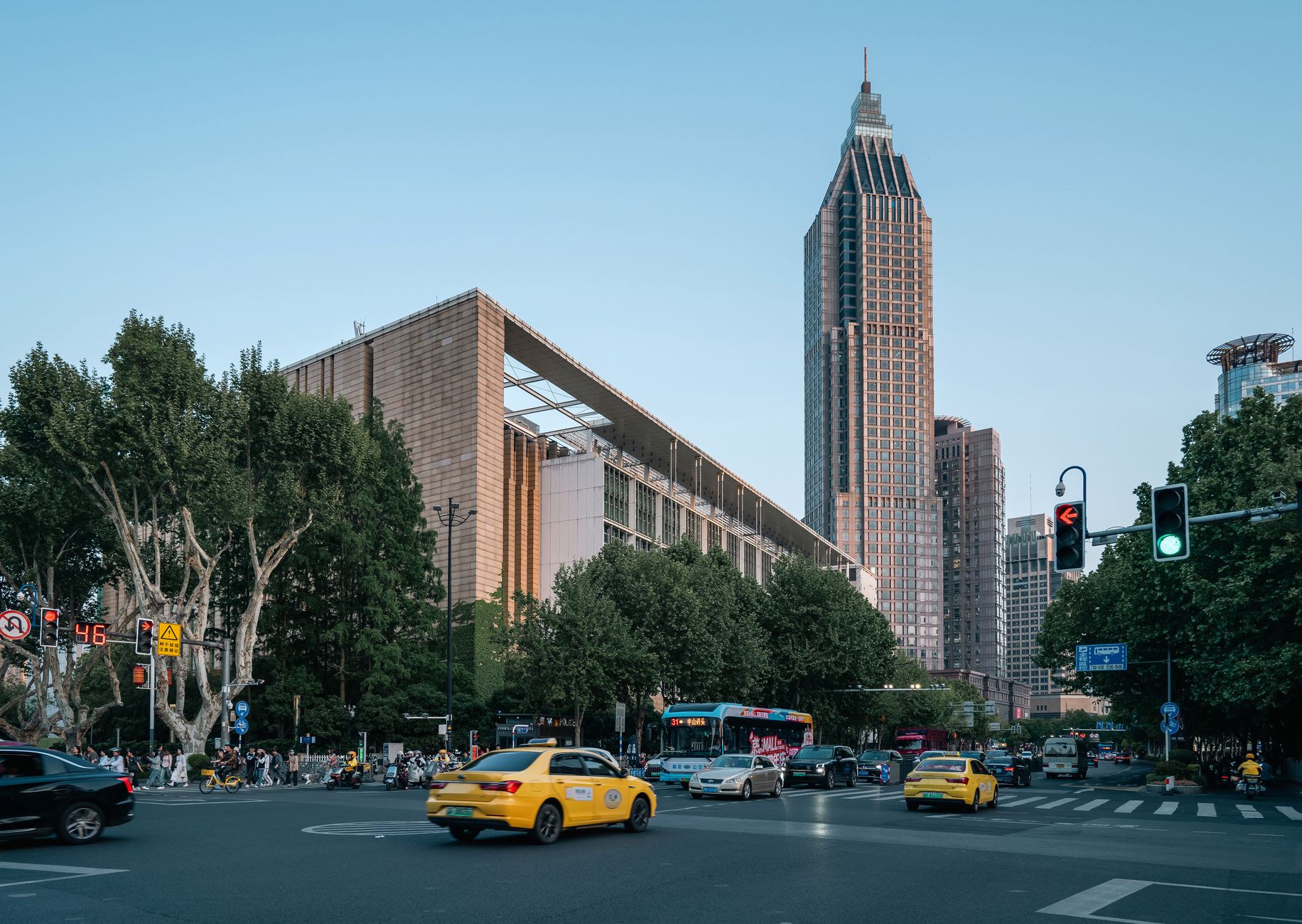


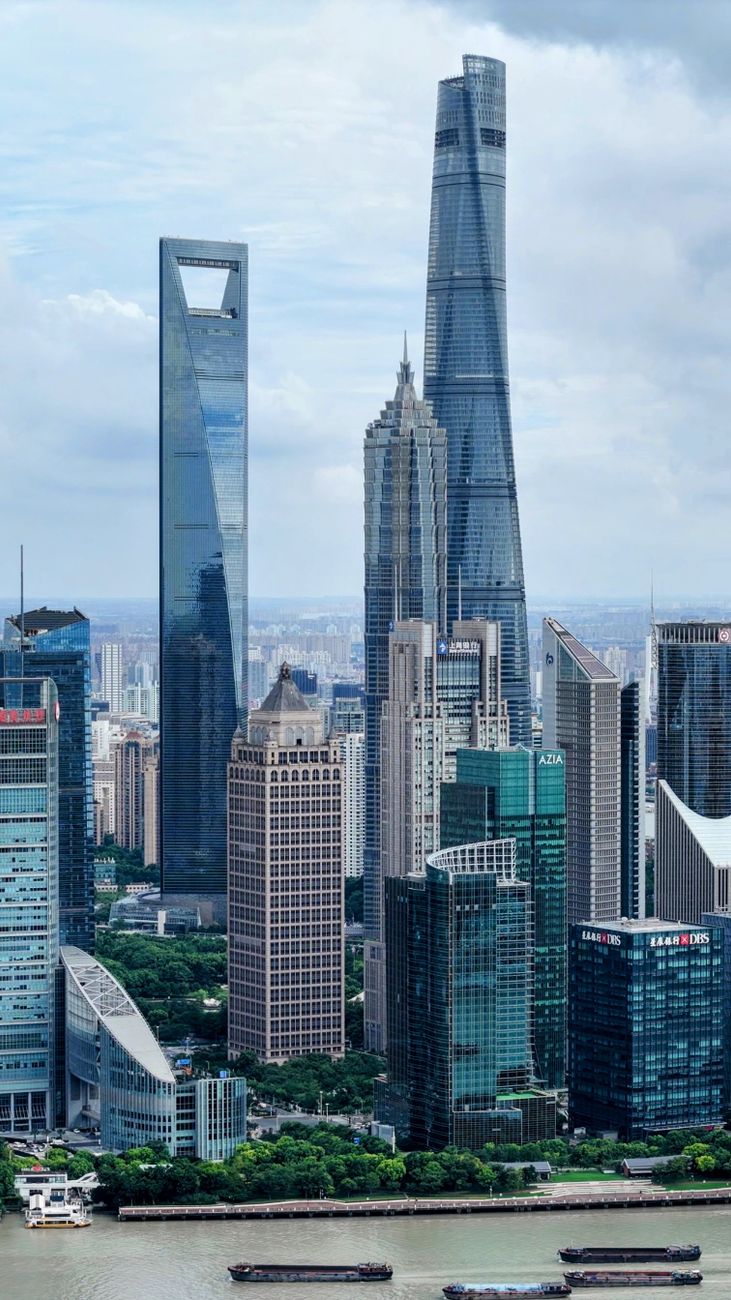

If you look at photos of major Chinese cities like Shanghai, Shenzhen, or Guangzhou, one thing immediately stands out:
The skyline is filled with skyscrapers.
In many areas, it feels like high-rise buildings are everywhere you look, creating dense and futuristic city landscapes that often surprise foreign visitors.
So why does China have so many skyscrapers?
Rapid Urbanization Changed Everything
One of the main reasons is the speed of urbanization.
Over the past few decades, hundreds of millions of people in China have moved from rural areas to cities.
This massive population shift created an urgent need for housing, office space, and infrastructure—all within a relatively short period of time.
Skyscrapers became the most efficient way to solve this problem.

Limited Urban Land in Major Cities
In large metropolitan areas, land is extremely valuable and limited.
Instead of expanding cities outward indefinitely, many Chinese cities expanded upward.
Building vertically allows cities to:
- House more people in smaller areas
- Maximize land use efficiency
- Concentrate infrastructure in compact zones
This vertical development model is especially visible in coastal cities with high population density.

Economic Growth and City Competition
Another important factor is economic development.
As cities grew economically, many of them competed to attract investment, talent, and business headquarters.
Tall buildings became a symbol of modern development and economic strength.
As a result, skylines became not just functional, but also symbolic.

Real Estate as a Major Growth Driver
For many years, real estate development played a major role in China’s economic expansion.
Large-scale urban construction projects supported:
- Housing demand
- Commercial development
- Local government revenue
- Infrastructure expansion
Skyscrapers were a natural outcome of this development model.

Why Chinese Cities Look So “Dense”
Unlike some Western cities that spread horizontally, many Chinese cities are highly concentrated.
This creates a visual impression of extreme density, especially in central business districts.
However, this density is often planned and structured, with clear zoning for residential, commercial, and industrial areas.
Not Just Big Cities Anymore
Skyscrapers are no longer limited to first-tier cities.
Many smaller and mid-sized cities in China also have rapidly growing skylines.
This is partly due to:
- Regional development policies
- Infrastructure investment
- Urban expansion strategies
As a result, modern high-rise districts can be found across much of the country.
The Role of Modern Architecture
In recent years, Chinese cities have also embraced more innovative architectural design.
Skyscrapers are no longer just tall buildings—they often feature:
- Unique shapes
- Glass-heavy facades
- Mixed-use functions
- Integrated commercial spaces
This has contributed to the futuristic appearance of many city skylines.
Why Foreigners Are Often Surprised
Visitors from abroad often notice:
- The sheer number of tall buildings
- How new many of them look
- The speed of skyline development
- The scale of construction
In some cases, entire districts appear to have been built within just a few years.
Final Thoughts
China’s skyscraper-filled cities are the result of rapid urbanization, land constraints, economic growth, and long-term development planning.
While the skyline may look overwhelming at first, it reflects how quickly Chinese cities have transformed into modern urban centers.
For many visitors, these skylines are one of the most visible signs of China’s rapid development—and one of the most memorable parts of the city experience.