



Death is a universal experience, but every culture has its own way of honoring the deceased and comforting the living.
In China, funeral traditions have been shaped by thousands of years of history, blending Confucian values, Buddhist beliefs, Taoist practices, and folk customs. These traditions emphasize respect for ancestors, filial piety, and the belief that family connections continue even after death.
While modern funerals have evolved significantly, many ancient customs remain an important part of Chinese culture today.
Why Funerals Are So Important in Chinese Culture
In traditional Chinese society, honoring one’s parents and ancestors was considered a fundamental duty.
The concept of filial piety, known as xiao (孝), teaches that children must respect and care for their parents both during life and after death.
As a result, funerals are not simply ceremonies marking a person’s passing. They are acts of family responsibility and respect.
A proper funeral is believed to:
- Honor the deceased
- Comfort surviving relatives
- Maintain family harmony
- Ensure ancestors rest peacefully
For centuries, many Chinese families viewed funeral arrangements as one of the most important obligations they would ever fulfill.
The Traditional Color of Mourning
Many foreign visitors are surprised to learn that white, rather than black, has traditionally been associated with mourning in China.
Historically:
- White clothing symbolized grief and loss.
- Family members often wore plain white garments.
- White funeral banners and decorations were common.
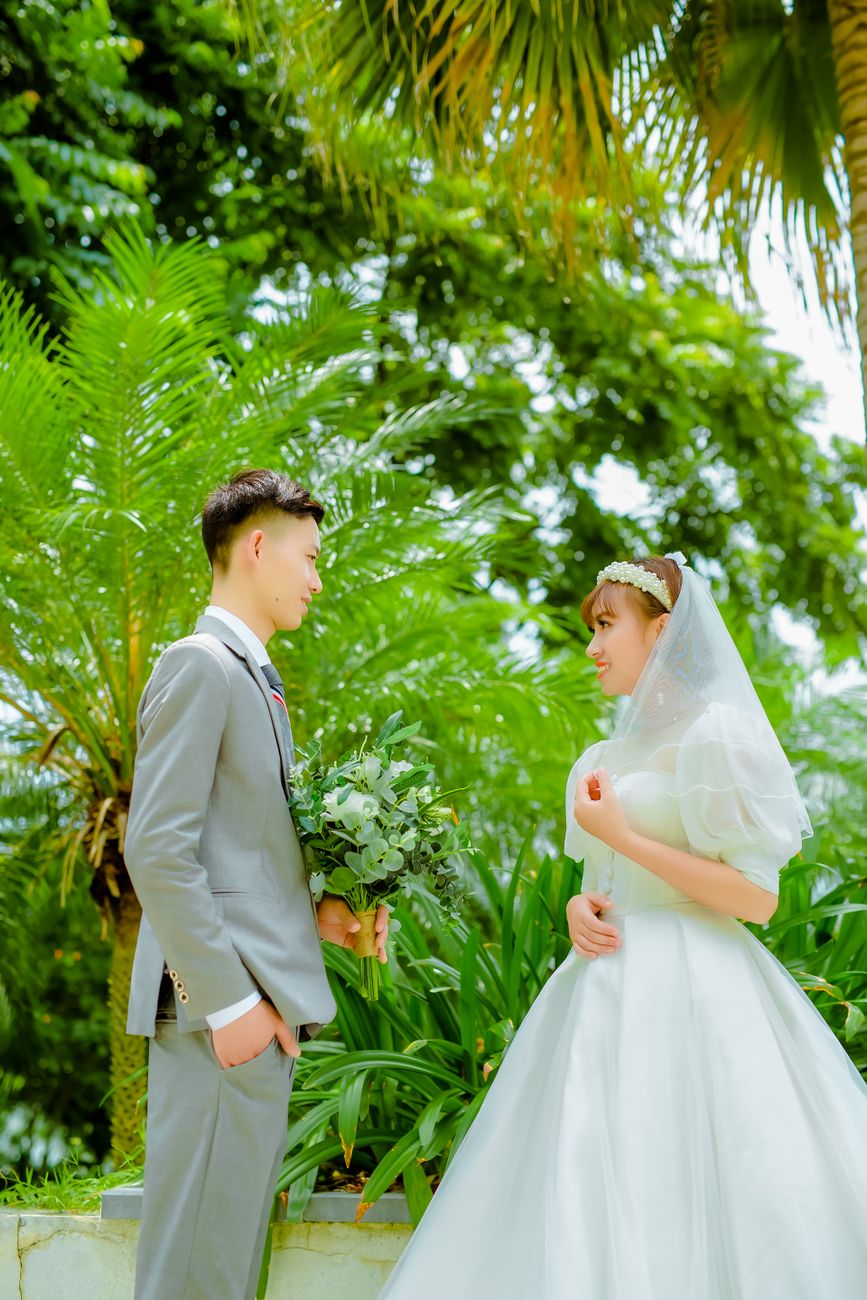
This is one reason traditional Chinese brides wore red rather than white, as white was linked to funerals rather than celebrations.
Today, modern funerals may incorporate both Chinese and Western customs, but white remains a significant mourning color.
Preparing for the Funeral
Traditionally, families would prepare the body and arrange a wake.
A portrait of the deceased is usually displayed prominently.
Other common elements include:
- White flowers
- Candles
- Incense
- Memorial tablets
- Funeral banners
Relatives and friends gather to pay their respects and support the family.
In many communities, visitors present condolence money in white envelopes to help cover funeral expenses.
Why Incense Is Burned
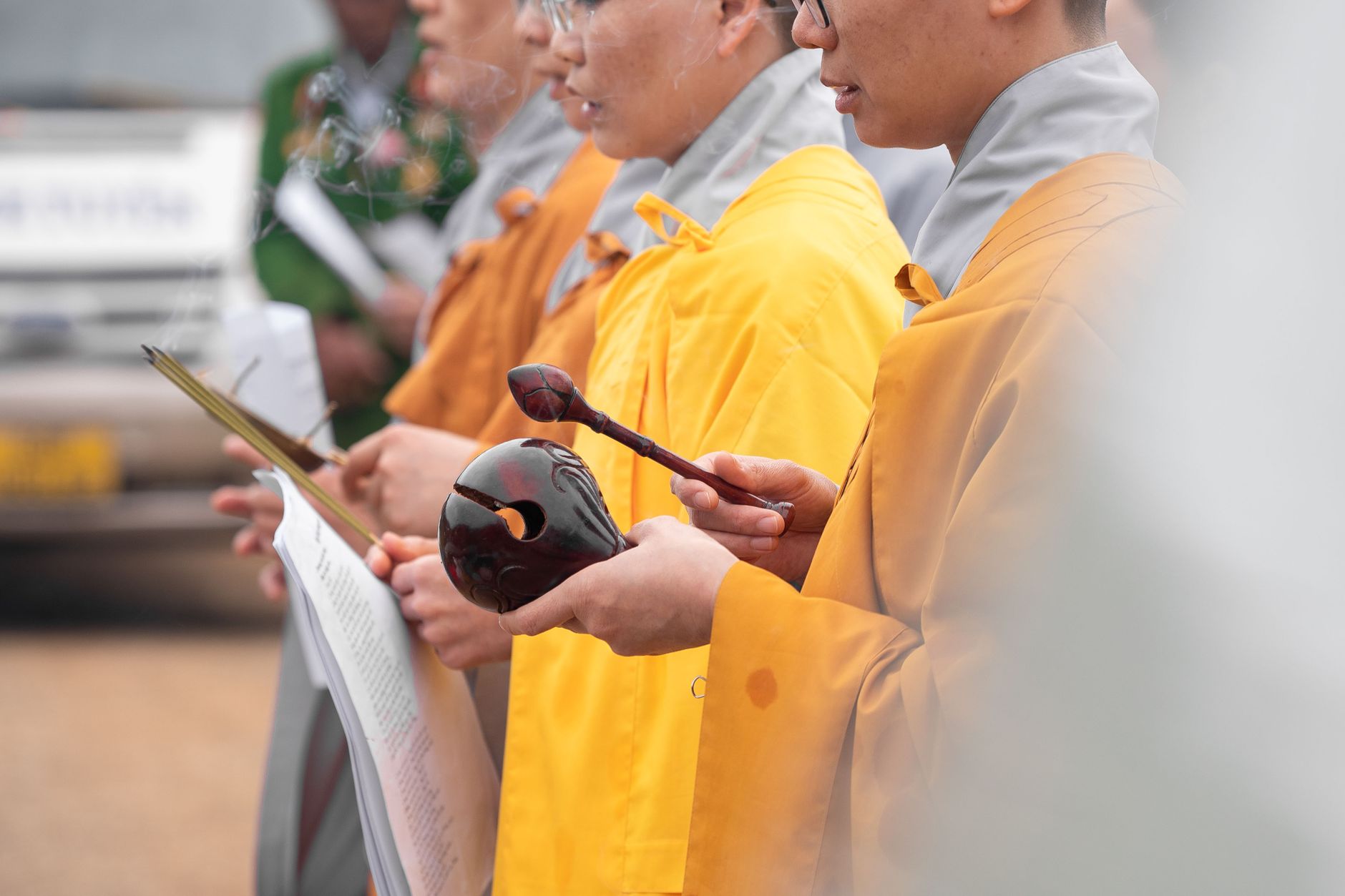
Burning incense is one of the most recognizable aspects of Chinese funeral traditions.
Incense symbolizes:
- Respect
- Prayer
- Communication with ancestors
Family members bow before the deceased and place incense sticks in an urn as a sign of remembrance.
The practice reflects the belief that honoring ancestors helps maintain connections between generations.
The Role of Ancestor Worship
Ancestor veneration has been a central part of Chinese culture for thousands of years.
Many families believe that deceased relatives continue to watch over future generations.
After the funeral, descendants may continue honoring ancestors through:
- Family altars
- Memorial tablets
- Seasonal offerings
- Festival ceremonies
The goal is not worship in a religious sense but maintaining respect and remembrance.
Burning Joss Paper
One of the most distinctive Chinese funeral customs is the burning of paper offerings.
These may include paper representations of:
- Money
- Houses
- Cars
- Clothing
- Household items
The tradition is based on the belief that symbolic goods can be sent to deceased relatives in the afterlife.
Although modern interpretations vary, the custom remains common in many Chinese communities.
Funeral Processions
Historically, funeral processions could be elaborate public events.
Depending on the family’s wealth and status, processions might include:
- Musicians
- Religious leaders
- Banner carriers
- Relatives in mourning clothes
Today, funeral processions are generally much simpler, especially in urban areas.
However, some rural communities still preserve elements of these traditions.
Burial and Cremation
Historically, burial was the dominant practice in China.
Traditional beliefs emphasized preserving the body and selecting auspicious burial sites through Feng Shui principles.
In modern China, however, cremation has become the most common method due to population density and land conservation policies.
Many families now keep ashes in:
- Cemeteries
- Columbaria
- Family memorial sites
Qingming Festival: Remembering the Dead
Even after a funeral, remembrance continues.
One of the most important traditions is Qingming Festival, often called Tomb-Sweeping Day.
During this annual observance, families visit ancestral graves to:
- Clean tombstones
- Remove weeds
- Offer flowers
- Burn incense
- Present food offerings
Qingming remains one of the most important occasions for honoring ancestors throughout China.
How Modern Chinese Funerals Are Changing
Like many traditions, funeral customs have evolved.
Urbanization, changing lifestyles, and environmental concerns have influenced how families approach death.
Modern funerals often include:
- Professional funeral homes
- Simplified ceremonies
- Cremation services
- Digital memorials
Nevertheless, the underlying values remain remarkably consistent.
Respect for family and remembrance of ancestors continue to guide Chinese funeral practices.
Common Misconceptions About Chinese Funerals
Myth 1: Ancestor Worship Means Worshipping Gods
In most cases, ancestor veneration focuses on remembrance and respect rather than religious worship.
Myth 2: Every Chinese Funeral Is the Same
China is a vast country with significant regional, ethnic, and religious diversity.
Funeral customs vary considerably.
Myth 3: Traditional Customs Are Disappearing
Although practices are changing, many traditions remain deeply meaningful for Chinese families.
Why Chinese Funeral Traditions Matter
Chinese funeral customs reveal important aspects of Chinese society.
They emphasize:
- Family responsibility
- Respect for elders
- Historical continuity
- Community support
More than rituals surrounding death, they reflect enduring beliefs about life, family, and the bonds between generations.
Final Thoughts
Chinese funeral traditions offer a unique window into one of the world’s oldest civilizations.
From white mourning clothes and incense offerings to ancestor remembrance and Qingming Festival, these customs demonstrate the importance of family connections that extend beyond a single lifetime.
While modern funerals continue to evolve, the core message remains unchanged: honoring the dead is also a way of honoring the living, preserving family history, and maintaining ties between past, present, and future generations.