



Every spring, millions of Chinese people travel across cities, provinces, and even countries to visit the graves of their ancestors.
They clean tombstones, burn incense, offer flowers, and spend time remembering loved ones who have passed away.
This tradition is known as Qingming Festival, or Tomb-Sweeping Day, one of China’s most important traditional observances.
Unlike many festivals that focus on celebration, Qingming is a day dedicated to remembrance, family, and respect for previous generations.
For over two thousand years, it has remained one of the most meaningful traditions in Chinese culture.
What Is Qingming Festival?
Qingming Festival (清明节) is observed on the fifteenth day after the Spring Equinox, usually falling on April 4th or April 5th.
The name “Qingming” literally means:
- Clear
- Bright
- Pure
Originally, the festival marked the arrival of warmer weather and the beginning of spring farming.
Over time, it became closely associated with honoring ancestors and maintaining family graves.
Today, Qingming is both a public holiday and a major cultural tradition throughout China.
Why Do Chinese People Visit Graves?
The most important Qingming activity is tomb sweeping.
Families visit cemeteries and ancestral burial sites to:
- Remove weeds
- Clean tombstones
- Repair damaged graves
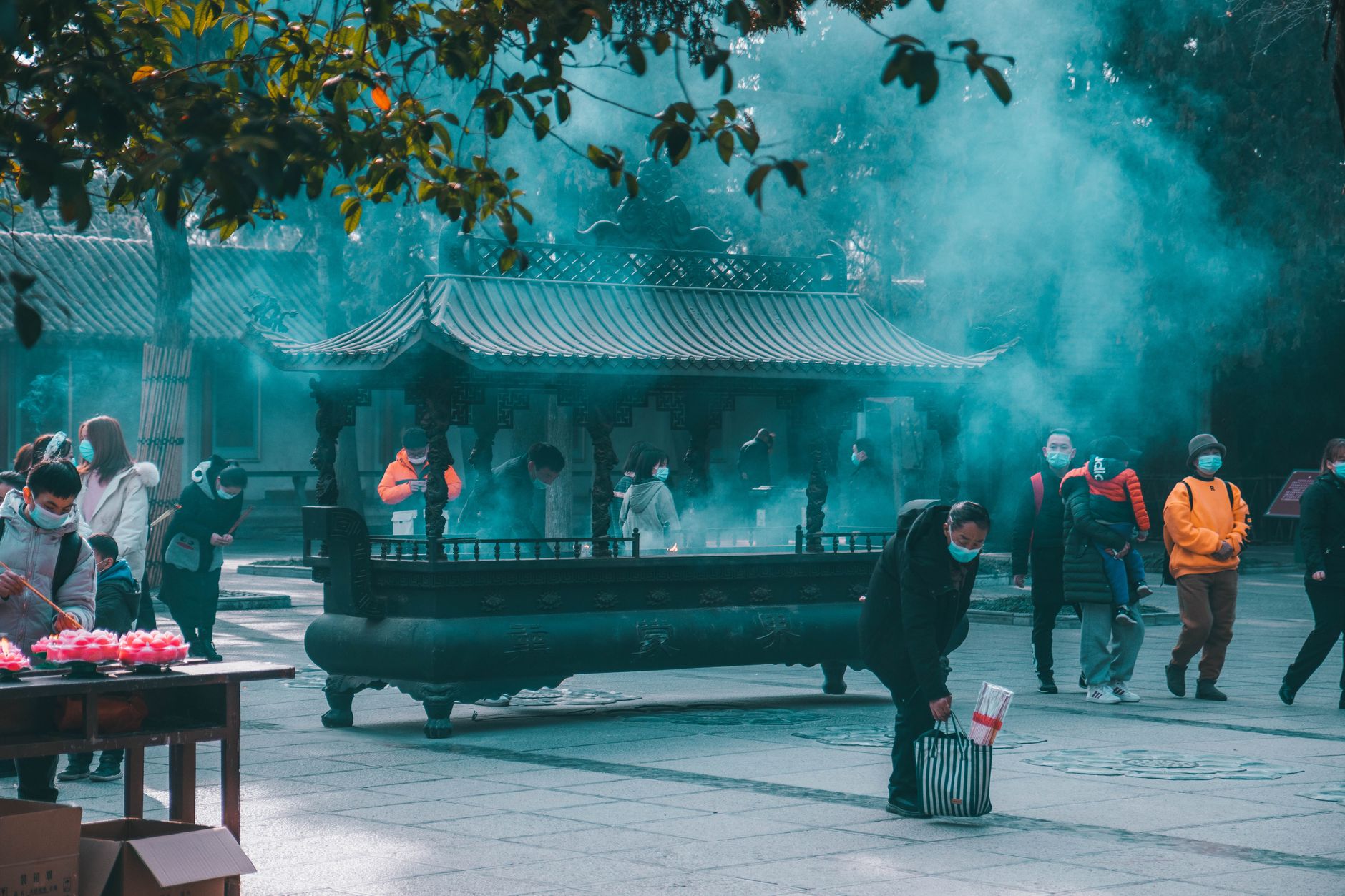
- Burn incense
- Present offerings
The practice reflects a deeply rooted belief that descendants should continue caring for ancestors even after death.
In traditional Chinese culture, family responsibilities do not end when a relative passes away.
Remembering and honoring ancestors is considered a sign of respect and gratitude.
The Ancient Story Behind Qingming Festival
One popular legend links Qingming to a loyal nobleman named Jie Zitui.
According to the story, Jie saved his prince during a period of exile and hardship.
Years later, after the prince became ruler, Jie refused rewards and chose to live quietly in the mountains.
The ruler attempted to persuade him to return but accidentally caused a forest fire in which Jie died.
To honor his loyalty, a memorial observance was established.
Over time, this remembrance merged with existing spring traditions and eventually evolved into Qingming Festival.
Although historians debate the exact origins, the story remains widely known in China.
Traditional Qingming Activities
Tomb Sweeping
The most important custom.
Families clean graves and pay respects to deceased relatives.
Burning Incense
Incense symbolizes remembrance and communication with ancestors.
Offering Food
Common offerings include:
- Fruit
- Tea
- Wine
- Traditional dishes
The offerings represent gratitude and respect.
Burning Joss Paper
Many families burn symbolic paper items believed to provide comfort and necessities in the afterlife.
These may include paper representations of:
- Money
- Clothing
- Houses
- Cars
Family Gatherings
Qingming often serves as an occasion for extended family members to reunite and remember shared history.
Why Ancestor Worship Matters in Chinese Culture
Ancestor remembrance is one of the oldest traditions in China.
Historically, Chinese society placed great importance on family lineage and continuity.
People believed that:
- Ancestors continued to watch over descendants.
- Families should express gratitude to previous generations.
- Maintaining ancestral graves demonstrated filial piety.
These ideas were heavily influenced by Confucian philosophy, which emphasizes respect for parents and elders.
Even today, many Chinese families view Qingming as an important expression of family values.
A Festival of Life as Well as Remembrance
Although Qingming focuses on the dead, it is also strongly connected to spring and renewal.
Traditionally, people enjoyed outdoor activities such as:
- Walking in the countryside
- Flying kites
- Spring picnics
- Planting trees
The festival reflects a balance between remembering the past and appreciating the arrival of a new season.
This combination of mourning and renewal makes Qingming unique among world traditions.
How Modern Families Celebrate Qingming
Urbanization has changed some aspects of the festival.
Today, many families:
- Travel long distances to ancestral hometowns.
- Use public cemeteries instead of family burial grounds.
- Place flowers rather than burn large quantities of paper offerings.
- Participate in online memorial services.
Some people living overseas cannot visit graves in person and instead hold remembrance ceremonies at home.
Despite these changes, the spirit of the festival remains largely unchanged.
Qingming Festival Around the World
Qingming traditions are not limited to mainland China.
Chinese communities throughout Asia and beyond continue to observe the festival.
It is commonly celebrated in:
- Singapore
- Malaysia
- Taiwan
- Hong Kong
- Canada
- Australia
- United States
For many overseas Chinese families, Qingming serves as a connection to cultural heritage and family history.
Common Misconceptions About Qingming
Myth 1: Qingming Is a Religious Festival
Qingming is primarily a cultural tradition.
People of different religious backgrounds may participate.
Myth 2: Only Elderly People Observe Qingming
Many younger Chinese continue to take part, especially when accompanied by family members.
Myth 3: The Festival Is Only About Death
In reality, Qingming also celebrates spring, renewal, and family unity.
Why Qingming Festival Endures
China has undergone enormous social and economic changes over the past century.
Yet Qingming remains one of the country’s most widely observed traditions.
Its lasting popularity reflects several enduring values:
- Family responsibility
- Gratitude
- Respect for ancestors
- Cultural continuity
For many people, visiting ancestral graves is not simply a ritual—it is a way of remembering where they come from.
Final Thoughts
Qingming Festival is far more than a day of tomb sweeping.
It is a powerful reminder of the importance of family, memory, and respect across generations.
Every year, millions of Chinese people honor those who came before them while teaching younger generations about their family’s history.
In a rapidly changing world, Qingming continues to connect the past with the present, making it one of the most meaningful traditions in Chinese culture.