
China officially recognizes 56 ethnic groups, but the Han Chinese make up more than 90% of the country’s population.
This often leads foreign observers to ask:
Do ethnic minorities in China receive special privileges that the Han majority does not?
The short answer is yes—certain policies provide advantages or protections for ethnic minorities. However, the reality is far more complex than many people imagine.
Some policies are designed to preserve languages and cultures. Others focus on education, economic development, or regional autonomy. At the same time, these policies remain a subject of debate both inside and outside China.
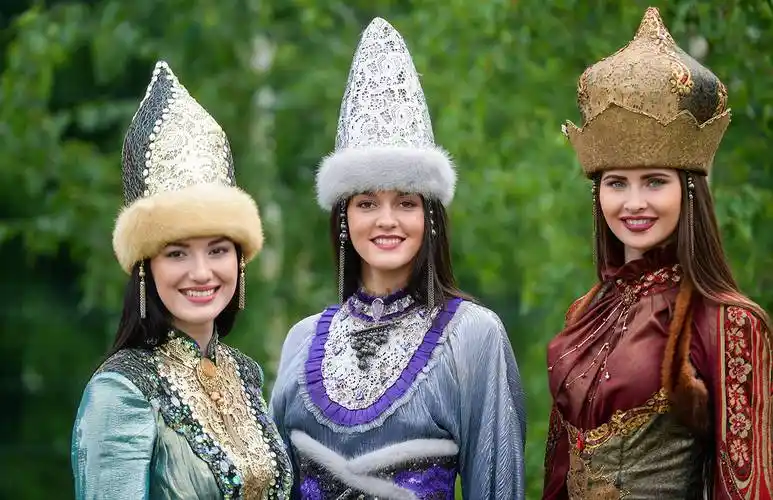
Who Are China’s Ethnic Minorities?
China officially recognizes 55 ethnic minority groups in addition to the Han majority.
Some of the largest include:
- Zhuang
- Hui
- Uyghur
- Mongol
- Tibetan
- Miao
- Korean
- Manchu
- Yao
- Tujia
Together, ethnic minorities account for roughly 8–9% of China’s population.
While they represent a relatively small share of the population, minority groups inhabit more than half of China’s land area, particularly in border regions such as Xinjiang, Tibet, Inner Mongolia, Guangxi, and Yunnan.
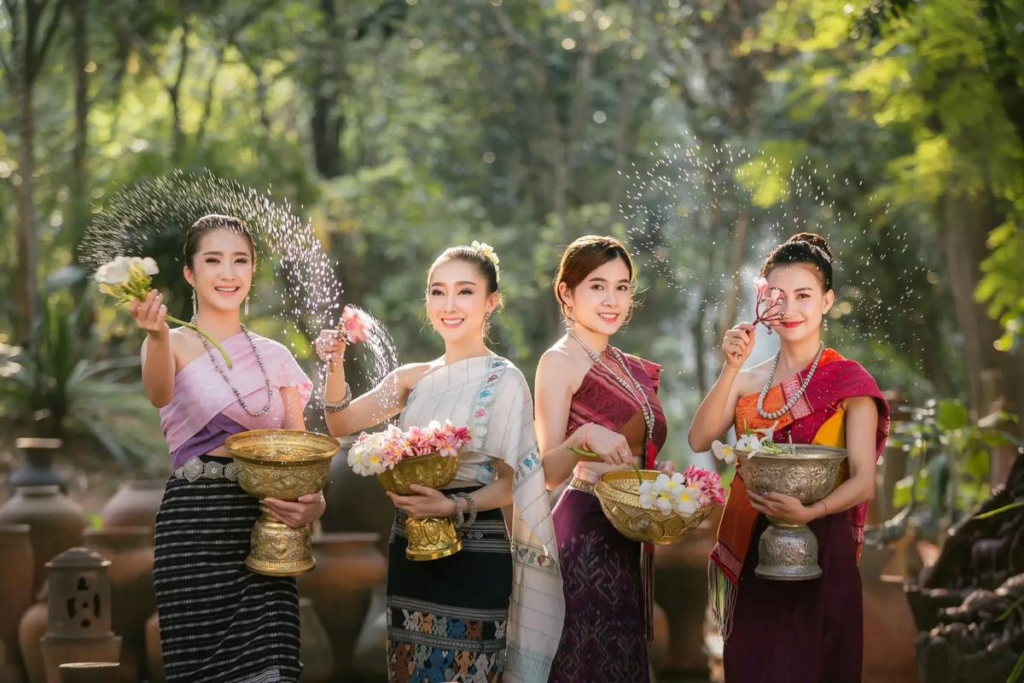
Why Does China Have Minority Policies?
Modern China’s ethnic policies were largely established after 1949.
The government faced a challenge familiar to many large multiethnic states:
How could a country with dozens of languages, religions, and cultural traditions maintain national unity while preserving diversity?
The result was a system that combined political integration with special protections for minority communities.
The goal was not to create separate nations but to recognize cultural differences within a unified Chinese state.
What Special Policies Do Ethnic Minorities Receive?
Regional Autonomy
One of the most visible policies is the creation of autonomous regions.
China has five provincial-level autonomous regions:
- Xinjiang
- Tibet
- Inner Mongolia
- Guangxi
- Ningxia
These regions are intended to give minority groups greater influence over local affairs, language use, education, and cultural preservation.
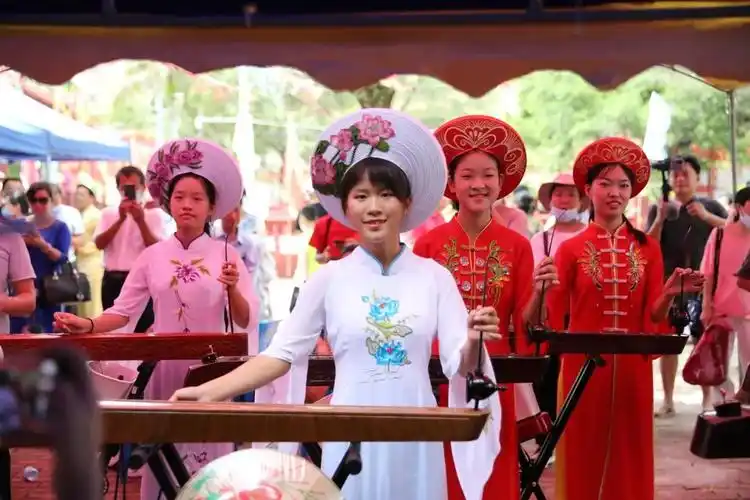
In practice, however, they remain under the overall authority of the central government.
Language Protection
Many ethnic minorities are allowed to use and teach their own languages.
Examples include:
- Mongolian in Inner Mongolia
- Tibetan in Tibet
- Korean in Yanbian
- Uyghur in Xinjiang
Bilingual education remains common in many minority areas, although language policies have evolved over time and continue to generate discussion.
Educational Benefits
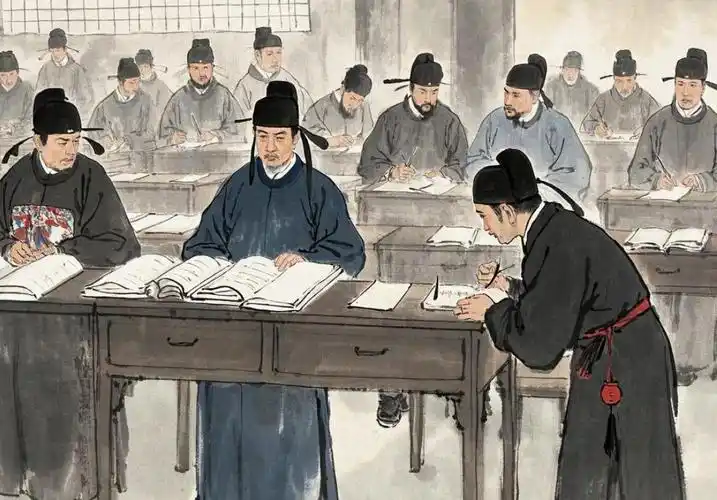
For decades, ethnic minority students often received additional consideration in university admissions.
In some regions, lower entrance exam thresholds were used to encourage access to higher education.
The exact policies have varied across provinces and have been adjusted several times in recent years.
Economic Development Programs
Many minority regions are located in mountainous, desert, or remote border areas.
As a result, the central government has invested heavily in:
- Infrastructure
- Transportation
- Poverty alleviation
- Healthcare
- Education
Supporters argue that these programs help reduce regional inequality, while critics debate their effectiveness and long-term impact.
Did Ethnic Minorities Once Have Different Family Planning Rules?
Yes.
One of the most frequently cited examples involved China’s former One-Child Policy.
For many years, numerous ethnic minorities were allowed to have more children than Han families.
The exact rules varied by region and ethnicity.
This policy became one of the most discussed examples of preferential treatment.
However, after China relaxed and eventually abolished the One-Child Policy, this distinction largely lost its significance.
Are These Policies Similar to Affirmative Action?
Some foreign observers compare China’s minority policies to affirmative action programs in countries such as the United States.
There are similarities.
Both systems attempt to address historical inequalities and increase opportunities for underrepresented groups.
However, China’s approach is also tied to territorial autonomy, language preservation, and ethnic administration, making it different from most Western models.
Why Are Minority Policies Controversial?
The debate surrounding minority policies often comes from two opposing perspectives.
Some people argue that special measures are necessary because minority communities face unique challenges related to geography, language, and economic development.
Others believe that special treatment creates unfair advantages or reinforces ethnic distinctions.
These debates are not unique to China. Similar discussions occur in countries around the world whenever governments implement policies based on ethnicity, language, or historical circumstances.
Do All Ethnic Minorities Benefit Equally?
Not necessarily.
China’s minority groups are incredibly diverse.
The experiences of a Korean community near the border with South Korea may differ dramatically from those of a Tibetan village in the Himalayas or a Mongolian herding community on the grasslands.
As a result, policies often affect different groups in different ways.
There is no single minority experience in China.
So, Do Chinese Ethnic Minorities Get Special Privileges?
The answer is yes, but the term “special privileges” can be misleading.
Ethnic minorities in China have historically benefited from policies involving:
- Language protection
- Educational support
- Regional autonomy
- Economic development programs
- Family planning exemptions
At the same time, these policies exist within a broader political framework that emphasizes national unity and state administration.
Understanding China’s ethnic policies requires looking beyond simple assumptions of privilege or discrimination.
A Country of Many Peoples
China is often viewed as a culturally uniform country, but its reality is far more diverse.
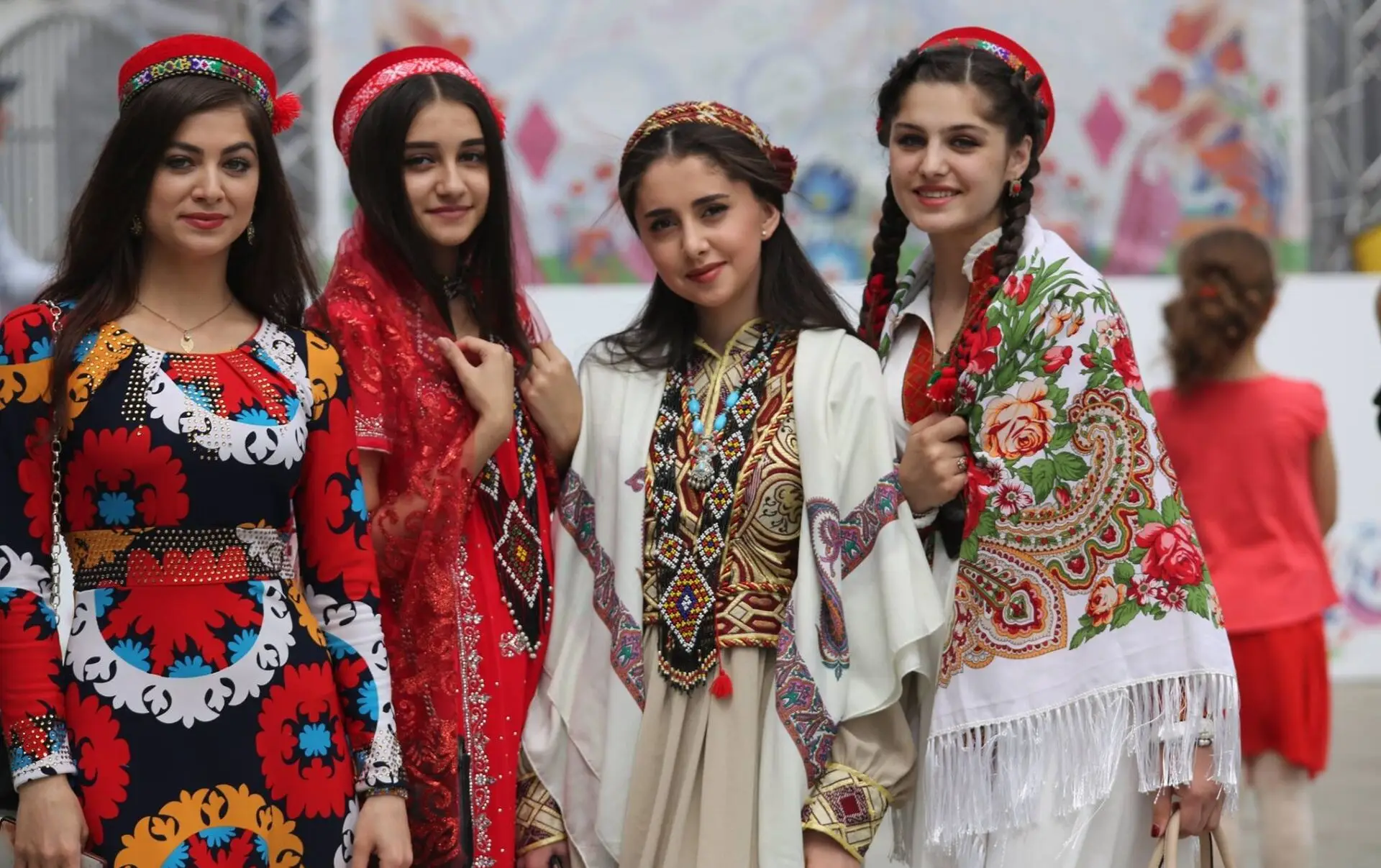
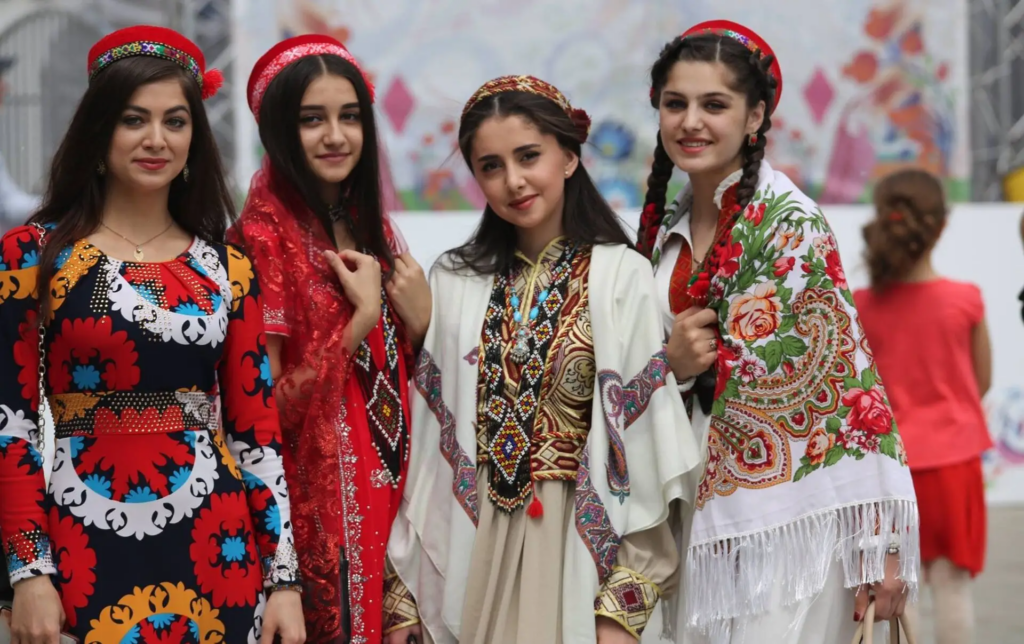
From Mongolian grasslands and Tibetan monasteries to Korean villages and Uyghur bazaars, ethnic minorities have helped shape Chinese civilization for centuries.
The policies governing these communities remain one of the most fascinating—and often misunderstood—aspects of modern China.