
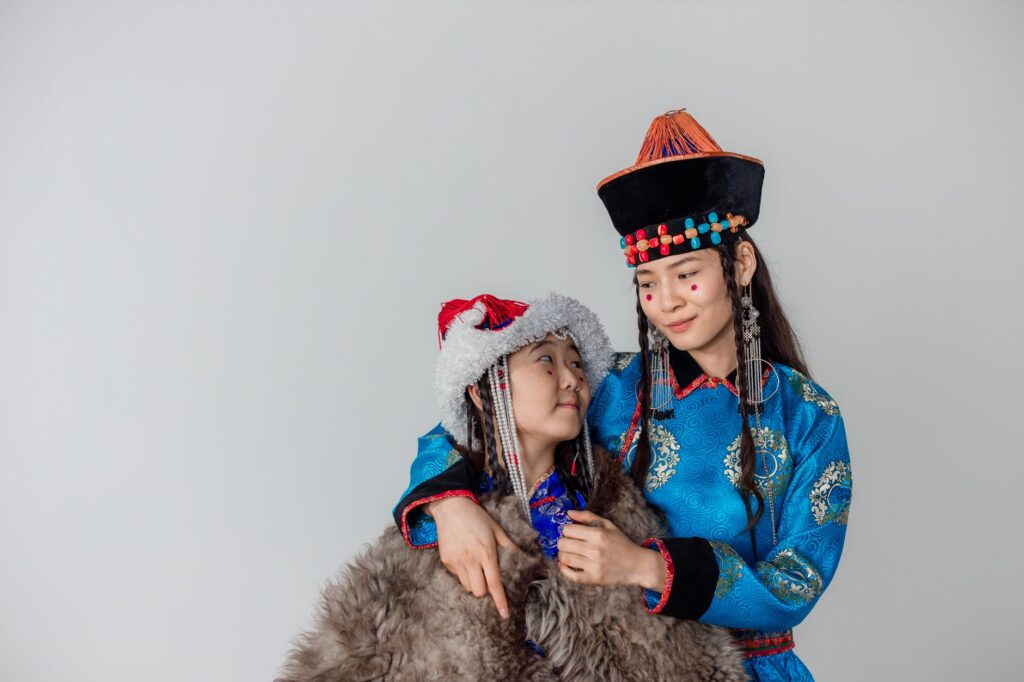
Many travelers are surprised to discover a strange fact about the Mongolian people:
More ethnic Mongols live in China than in Mongolia itself.
This raises an obvious question:
If Mongolia is an independent country, why is Inner Mongolia still part of China?
To understand the answer, we need to look back at the rise and fall of the Mongol Empire, the Qing Dynasty, and the geopolitical struggles of the 20th century.
The Mongols Once Ruled Much of Eurasia
In the 13th century, the Mongols under Genghis Khan built the largest contiguous land empire in human history.
Their empire stretched from Eastern Europe to the Pacific Ocean.
At that time, there was no distinction between what we now call Mongolia and Inner Mongolia.
The entire region was part of the Mongol world.
However, after the empire fragmented, different Mongol tribes gradually came under different political influences.
How Did Mongolia Become Part of China?
In the 17th century, the rising Manchu rulers of China established the Qing Dynasty.
The Qing successfully brought most Mongol tribes under their control.
For nearly 250 years, both present-day Mongolia and Inner Mongolia were governed as part of the Qing Empire.
Importantly, neither region was considered an independent country during this period.
Instead, both were administered through different Mongol banner systems under Qing authority.
What Happened When the Qing Dynasty Collapsed?
The turning point came in 1911.
When the Qing Dynasty collapsed, many regions attempted to break away.
The Mongol nobles of what is now modern Mongolia declared independence with support from the Russian Empire.
China, however, refused to recognize the separation.
For decades, Mongolia became a battleground for competing Chinese, Russian, and later Soviet interests.
Why Did Outer Mongolia Become Independent?
The area now known as Mongolia was historically called Outer Mongolia.
Because it bordered Russia, the Soviet Union viewed it as a strategic buffer zone.
After years of political struggle, Soviet influence became dominant.
In 1945, a referendum was held under Soviet supervision, and Outer Mongolia’s independence was formally recognized.
This territory eventually became today’s Republic of Mongolia.
Why Didn’t Inner Mongolia Leave China?
The situation in Inner Mongolia was very different.
Unlike Outer Mongolia, Inner Mongolia was geographically closer to Beijing and had a much larger Han Chinese population.
Many Mongol leaders in the region chose cooperation with Chinese governments rather than full independence.
After the establishment of the People’s Republic of China in 1949, Inner Mongolia became China’s first autonomous region.
Rather than becoming a separate state, it remained part of China while receiving a degree of regional autonomy.
Are People in Inner Mongolia Ethnically Mongolian?
Yes.
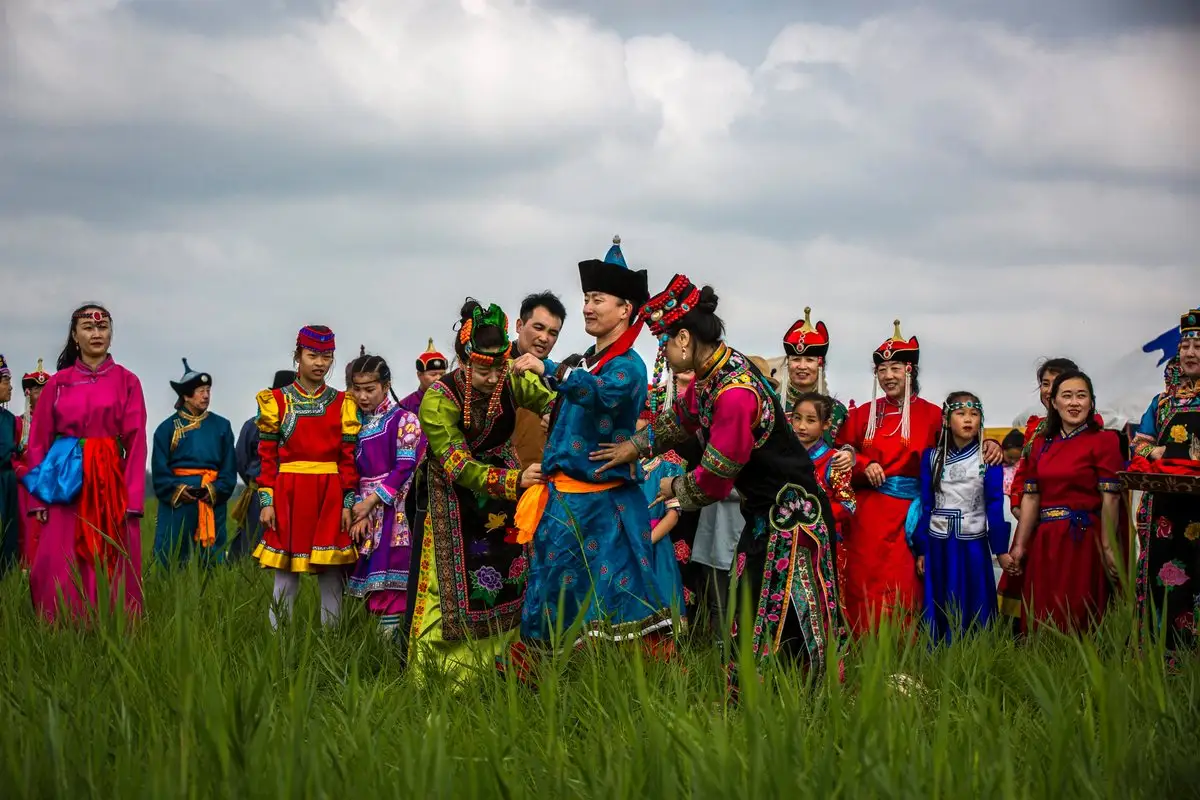
Millions of ethnic Mongols still live in Inner Mongolia today.
They maintain many traditional aspects of Mongolian culture, including:
- The Mongolian language
- Traditional music
- Horse-riding traditions
- Grassland festivals
- Mongolian cuisine
However, decades of migration have also made Inner Mongolia home to a large Han Chinese population.
As a result, ethnic Mongols are now a minority within the autonomous region itself.
Do People in Mongolia Want Inner Mongolia to Join Them?
This is a topic that occasionally appears online, but in reality it has little political momentum.
Modern Mongolia and China maintain diplomatic relations and recognize existing international borders.
Most discussions about unification are historical or cultural rather than practical political proposals.
Today, the two regions share linguistic and cultural connections but operate within completely different political systems.
Why Are There More Mongols in China Than Mongolia?
This is one of the most surprising facts for many foreigners.
China’s ethnic Mongol population exceeds six million people, while Mongolia’s total national population is only around three and a half million.
As a result, more people of Mongolian ethnicity live inside China than in the independent state of Mongolia.
This demographic reality is a direct result of the historical division between Inner Mongolia and Outer Mongolia.
A Legacy of Empires and Borders
The division between Mongolia and Inner Mongolia was not created by ethnicity.
It emerged from the collapse of empires, Russian expansion, Soviet influence, and modern state formation.
Today, the Mongol people remain connected by language, culture, and history, yet they live under different national flags.
Understanding this history helps explain one of the most fascinating geopolitical puzzles in modern Asia: why Mongolia became independent while Inner Mongolia remained part of China.