




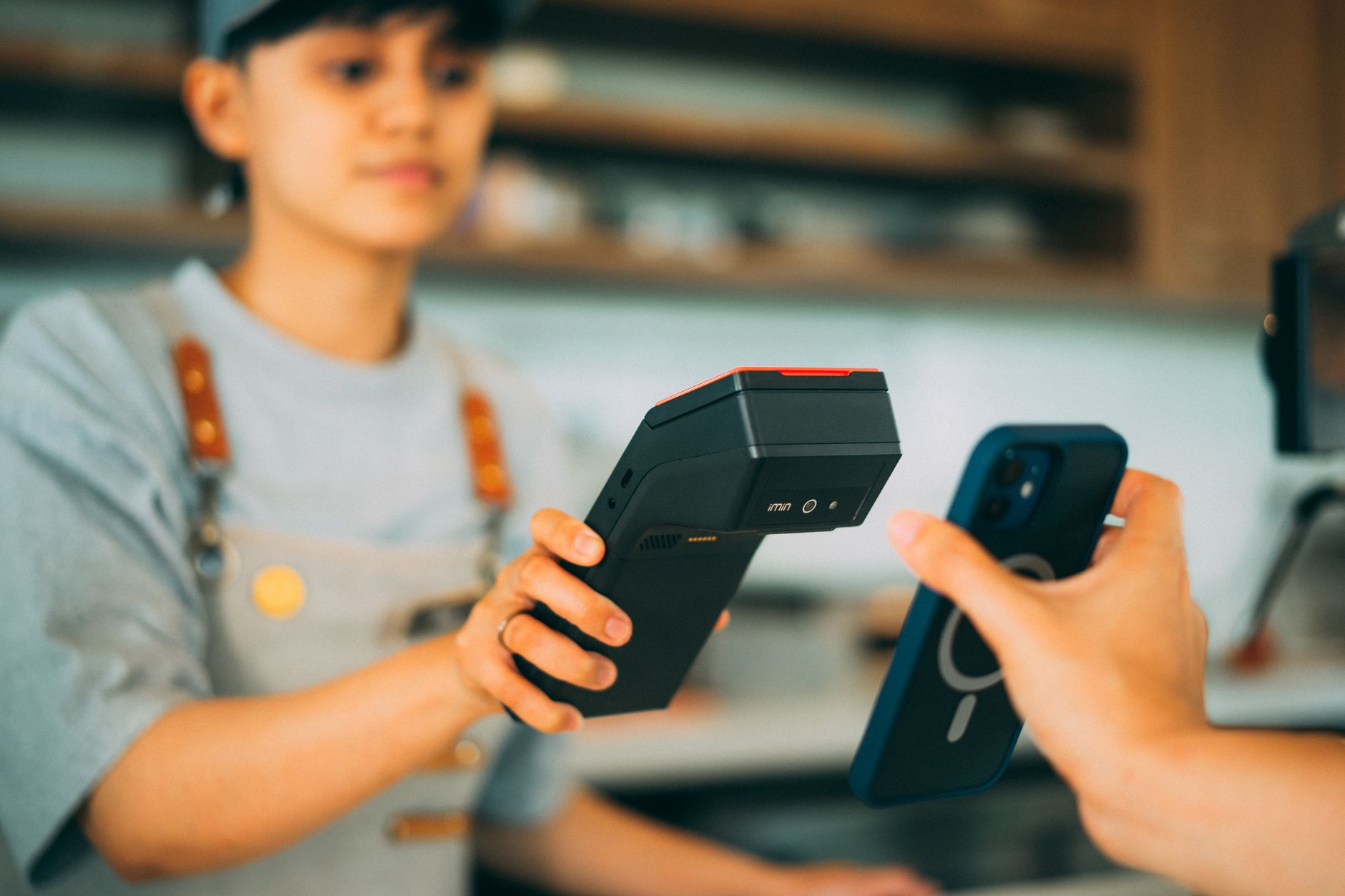
For many foreign visitors, one of the most surprising things about China is how often people scan QR codes.
Need to pay for lunch? Scan a QR code.
Want to order food at a restaurant? Scan a QR code.
Need to unlock a shared bicycle? Scan a QR code.
Want to add a new friend on social media? Scan a QR code.
In China, QR codes are everywhere. They appear on restaurant tables, street vendor carts, apartment entrances, parking lots, vending machines, business cards, and even donation boxes.
To many visitors, it feels as though Chinese society runs on QR codes.
So how did this happen?
What Exactly Is a QR Code?
A QR code, short for “Quick Response Code,” is a type of barcode that can store information and be read by a smartphone camera.
In many countries, QR codes exist but are used only occasionally.
In China, however, they became a universal tool that connects people to services, payments, information, and businesses with a simple scan.
Today, scanning a QR code is as natural as opening a door or sending a text message.
China Skipped the Credit Card Era
One of the biggest reasons for China’s QR code revolution is that the country largely skipped widespread credit card adoption.
In countries like the United States, consumers became accustomed to paying with:
- Credit cards
- Debit cards
- Contactless cards
before smartphones became common.
China followed a different path.
As smartphones spread rapidly during the 2010s, mobile payment systems arrived before traditional bank card networks became deeply embedded in everyday life.
Instead of swiping cards, millions of people simply began scanning QR codes with their phones.
The Rise of WeChat Pay and Alipay
The two major drivers behind QR code adoption were:
- WeChat Pay
- Alipay
These platforms made it incredibly easy to send money, pay merchants, split bills, and shop online.
Unlike expensive card payment terminals, QR codes were almost free for businesses to use.
A small street vendor could print a QR code on paper and immediately begin accepting digital payments.
This dramatically accelerated adoption across the country.
QR Codes Are Cheap and Easy
Another reason QR codes became so popular is their simplicity.
Businesses do not need expensive hardware.
Customers do not need special payment cards.
All they need is:
- A smartphone
- An internet connection
- A QR code
This low-cost system works equally well for:
- Luxury shopping malls
- Family restaurants
- Taxi drivers
- Street food vendors
- Farmers’ markets
As a result, QR codes became universal.
More Than Just Payments
Many foreigners assume QR codes are only used for payments.
In reality, they serve dozens of purposes in China.
People use QR codes to:
- Order food
- Join Wi-Fi networks
- Register for events
- Access building entrances
- Follow social media accounts
- Download apps
- Rent bicycles
- Book services
A single QR code can instantly connect a person to an entire digital ecosystem.
The Super App Effect
China’s digital landscape is dominated by so-called “super apps.”
Rather than using separate apps for every task, people often rely on platforms that combine multiple services.
Through a single app, users can:
- Chat with friends
- Pay bills
- Order food
- Shop online
- Call a taxi
- Book tickets
QR codes act as the bridge between the physical world and these digital services.
Scanning a code instantly connects users to the desired function.
Why Foreign Visitors Notice It So Much
For many visitors, China’s QR code culture feels unusual because it is visible everywhere.
In some countries, digital services operate quietly in the background.
In China, QR codes are often displayed prominently in public spaces.
This makes the technology highly noticeable and gives visitors the impression that everyone is constantly scanning something.
In many ways, they are.
Will QR Codes Remain Important?
As technologies such as facial recognition, digital wallets, and contactless payments continue to evolve, some people wonder whether QR codes will eventually disappear.
For now, however, they remain one of the simplest, cheapest, and most flexible tools for connecting offline activities with online services.
Because they are easy to use and require minimal infrastructure, QR codes are likely to remain a key part of everyday life in China for years to come.
Conclusion
Chinese people scan QR codes for everything because QR codes became the perfect solution for a rapidly digitizing society.
Combined with smartphones, mobile payments, and super apps, they created a fast, convenient, and affordable system that transformed how people shop, travel, communicate, and interact with businesses.
For visitors, the endless QR codes may seem surprising at first. But for millions of people in China, scanning a code is simply part of everyday life.