


Hunan’s strange traditional customs are one of the most mysterious and distinctive folk cultures in southern China. Shaped by thousands of years of primitive Xiangchu witch culture, Meishan farming beliefs, and mixed ethnic traditions of Miao, Tujia and Yao people, Hunan retains a large number of bizarre, little-known and unique folk taboos that cannot be found in other Chinese regions. These weird rituals cover seasonal festivals, wedding traditions, funeral etiquette, daily behaviors, travel rules and sacrificial ceremonies. Although some customs seem superstitious and unreasonable from a modern perspective, they represent ancient people’s awe of nature, reverence for ancestors, and pursuit of good fortune and safety. This article comprehensively introduces the most strange, legendary and authentic traditional customs in Hunan, especially the mysterious folk traditions of western and central Hunan.
1. The Three Mysterious Western Hunan Ancient Customs (Xiangxi Three Evils)
Western Hunan (Xiangxi, Zhangjiajie, Huaihua) is famous for its legendary Xiangxi Three Unique Folk Customs, also known as Xiangxi Three Evils. These are real ancient folk traditions inherited for thousands of years, not fictional ghost stories.
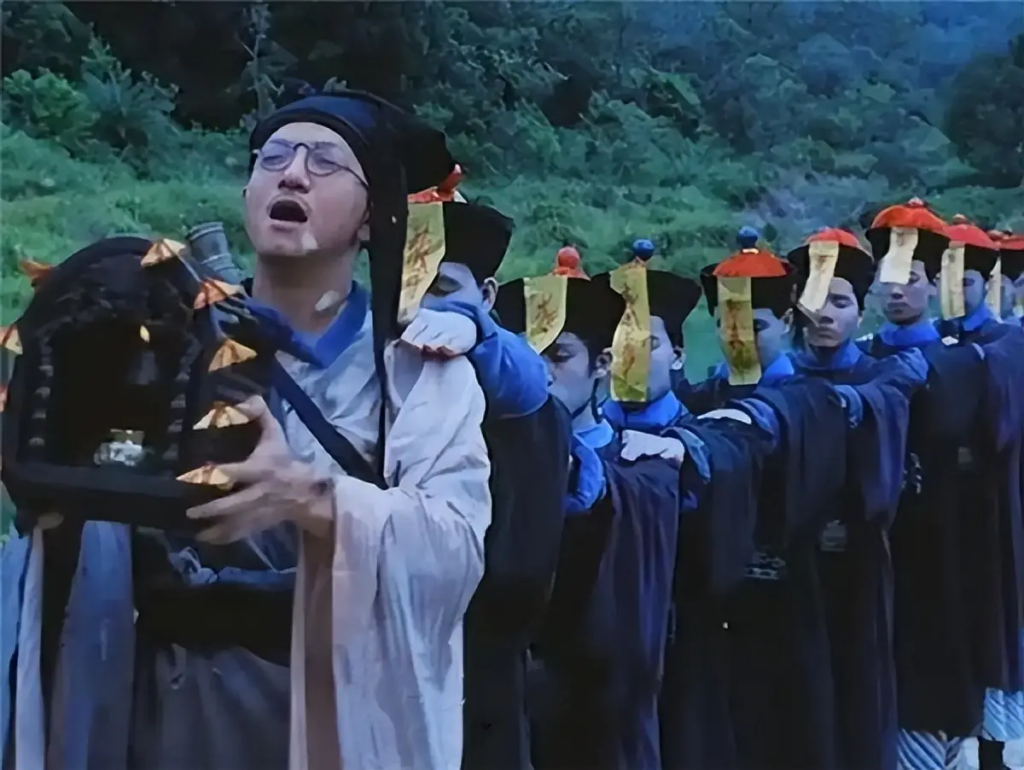
Corpse Driving: This is the most bizarre and famous Hunan folk custom. In ancient times, western Hunan was covered in steep mountains with blocked traffic. Many travelers, merchants and soldiers died far away from hometowns and could not be transported back for burial. Local wizards used ancient Meishan witchcraft and Chenzhou talisman rituals to make corpses jump and walk in line at night, following gong sounds to return to their native villages. This strange ritual embodies the traditional Chinese belief that “fallen leaves must return to their roots” and shows local people’s extreme respect for life and hometown.
Gu Poison Witchcraft: Inherited from ancient Miao villages, Gu poison culture is a unique folk belief system. Local Miao people refined special insects and herbal potions into good Gu and evil Gu. Good Gu was used to protect families, stabilize marriages and dispel evil spirits; evil Gu was used to punish betrayal and immoral people. In ancient rural Xiangxi, locals firmly believed Gu power could change fate and control interpersonal relationships, forming a unique mountain folk balance culture.
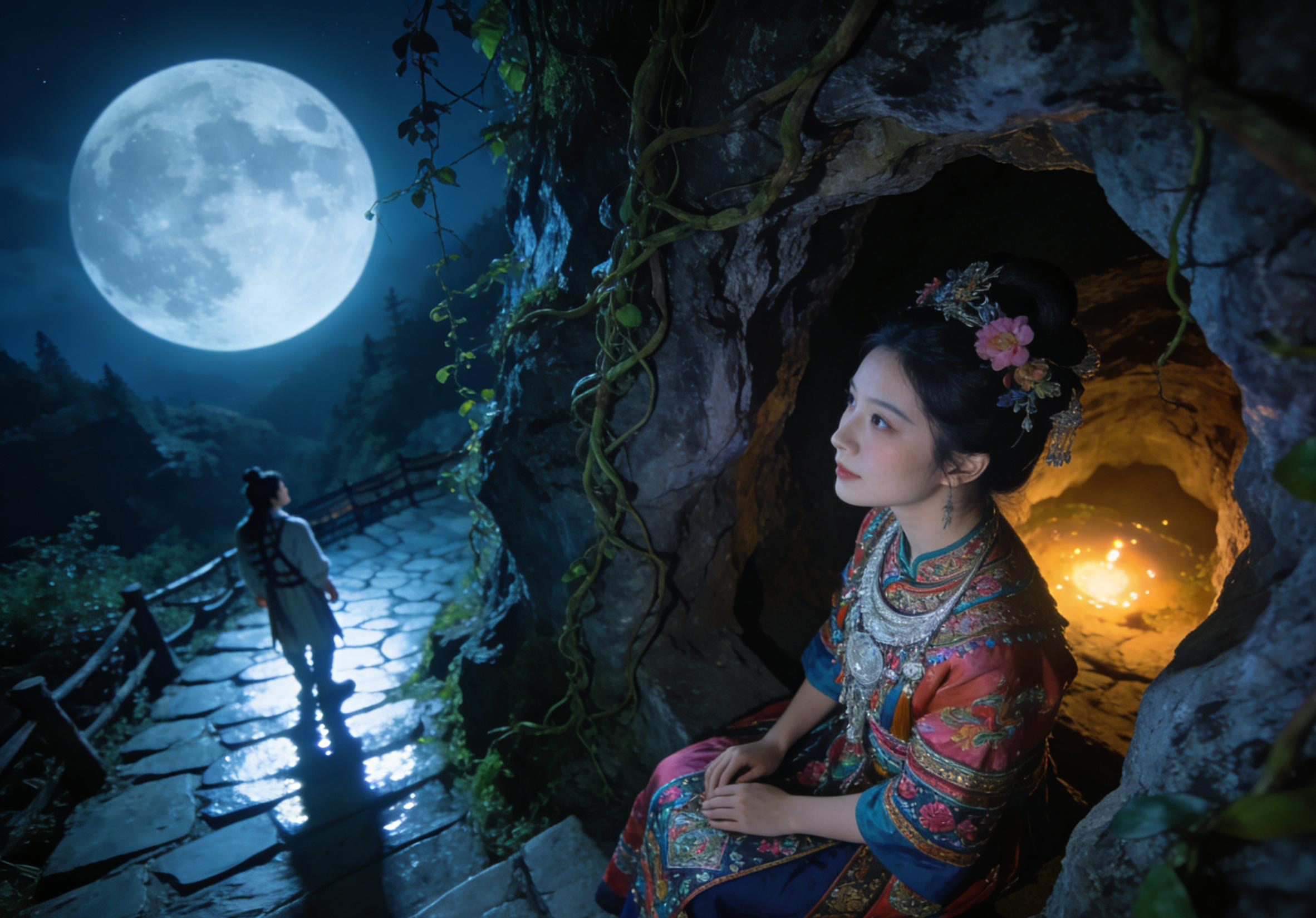
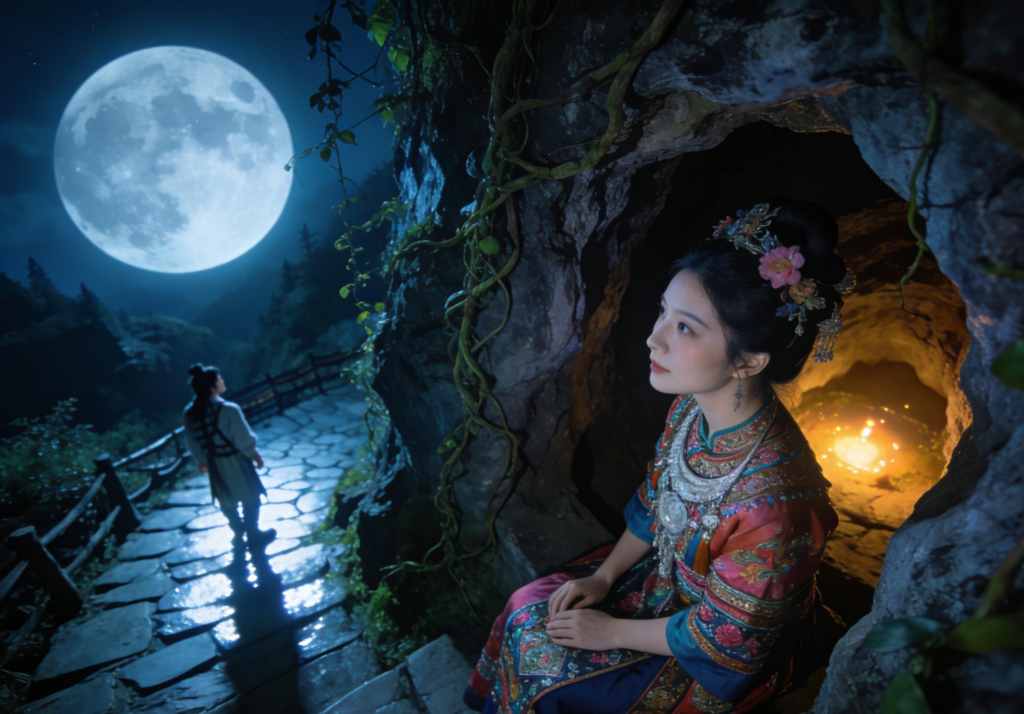
Falling Cave Ladies: This exclusive Xiangxi custom refers to unmarried local girls who love meditating and praying in mountain caves. Influenced by mountain god worship, these girls become quiet, detached from mortal desires and refuse marriage. Villagers believe they are favored by mountain gods and possess immortal spiritual energy. Instead of regarding them as eccentric, locals respect them as blessed and spiritual women, forming a one-of-a-kind female folk custom in China.
2. Bizarre Festival Taboos of Hunan
Hunan’s festival traditions are completely different from mainstream Chinese customs, with many strange but strictly followed rules.
Strict New Year’s Day Taboos: In Hunan rural areas, the first day of the Lunar New Year has absolute prohibitions: no sweeping floors, no dumping garbage, no hair washing and no bathing. Locals believe New Year’s Day is the birthday of the water god and fortune god. Cleaning or bathing will wash away good luck and annual fortune. Therefore, all cleaning and bathing must be finished on New Year’s Eve, and people keep quiet and rest on New Year’s Day.
Changsha New Year’s Eve Debt-Hiding Bath Custom: An exclusive old Changsha folk tradition. In ancient Changsha, New Year’s Eve was the final deadline for debt settlement. Poor people who could not repay debts would hide in public bathhouses throughout the night to avoid creditors. Bathhouses stayed open all night, forming a unique and strange urban folk custom in old Changsha.
Western Hunan Seasonal Taboos: Miao and Tujia villages follow the ancient rule: “taboo at the start of the first lunar month and the end of the twelfth lunar month”. No construction, no logging and no noisy celebrations are allowed during taboo periods. Additionally, the 5th, 14th and 23rd day of every lunar month are unlucky days with strict activity restrictions.
3. Strange Hunan Wedding Taboos: Long Marriage-Prohibited Period
Hunan has one of the strictest wedding taboo systems in China. Traditionally, no weddings or engagements are allowed from the 4th to the 9th lunar month for superstitious reasons: April sounds like “death”; May is an evil poisonous month; June means “half-year marriage” and implies separation; July is the ghost month with chaotic yin and yang energy; August is believed to cause strict husband-wife control; September carries unlucky homophones of “funeral” and “loneliness”. Only winter and early spring months are suitable for marriage, forming a very strange local wedding tradition.
4. Weird Daily Taboos in Central Hunan Meishan Culture
Central Hunan (Loudi, Xinhua, Lengshuijiang) preserves the most primitive Meishan folk taboos, which affect daily clothing, food, housing and transportation.
Body Touching Taboo: A famous local saying goes: “Men’s heads and women’s waists can only be seen, not touched”. No one is allowed to touch a local man’s head casually, even with kindness, as it is considered a serious insult damaging dignity and fortune. Women’s waists are strictly protected and cannot be touched by outsiders.
Main Hall Forbidden Behaviors: The ancestral main hall is regarded as the most sacred family space. Locals prohibit holding umbrellas, wearing bamboo hats, carrying hoes, placing chicken cages or upside-down baskets in the main hall. Pregnant women and unmarried girls are forbidden to sit on door thresholds. These behaviors are believed to disturb ancestral spirits and bring bad luck.
Travel Date Taboos: Hunan people follow the ancient rule: “never travel on the 7th and 9th, never return home on the 8th”. These dates are considered ominous for travel, easily causing disasters and bad luck on the journey.
5. Mysterious Funeral Taboos and Zodiac Conflict Rules
Hunan rural funerals retain primitive and strict superstitious rituals. When a person passes away, families must burn special soul money and fire three salute cannons immediately to send the spirit off. The deceased’s body will be cleaned with peach leaf and calamus water for exorcism and purification.
The strictest rule is zodiac conflict avoidance. People with conflicting zodiac signs, especially Tiger and Dragon signs, cannot carry the coffin, join the funeral procession or approach the grave. Locals believe conflicting zodiac energy will collide with the deceased’s soul, causing broken coffin ropes, water-filled graves and long-term misfortune for the living.
6. Cultural Value of Hunan Strange Customs
These seemingly bizarre Hunan folk traditions are valuable living fossils of ancient Xiangchu witch civilization and Meishan mountain culture. Born in closed mountainous terrain and underdeveloped ancient society, these taboos and rituals were ancient people’s unique way of respecting nature, maintaining social ethics, regulating behaviors and avoiding risks. Though many superstitious contents have been abandoned in modern times, the unique folk system still represents the mysterious, primitive and diverse cultural temperament of Huxiang civilization.