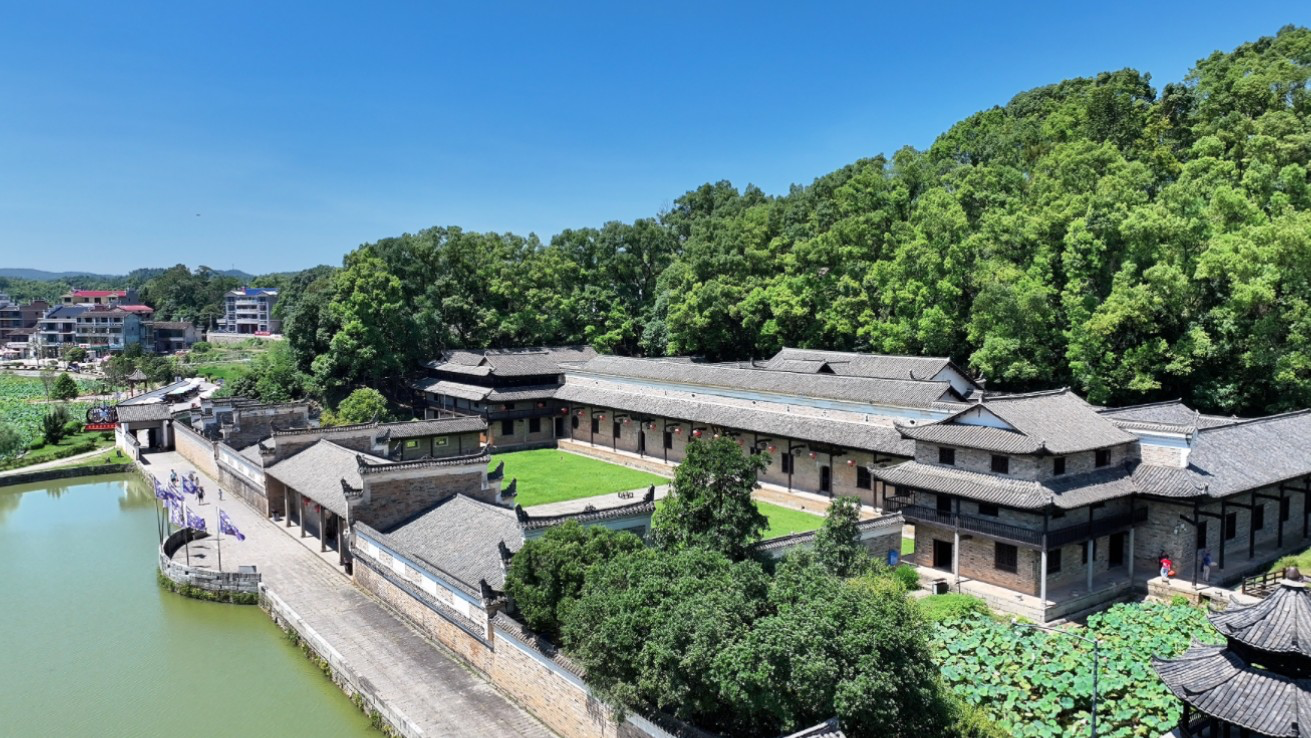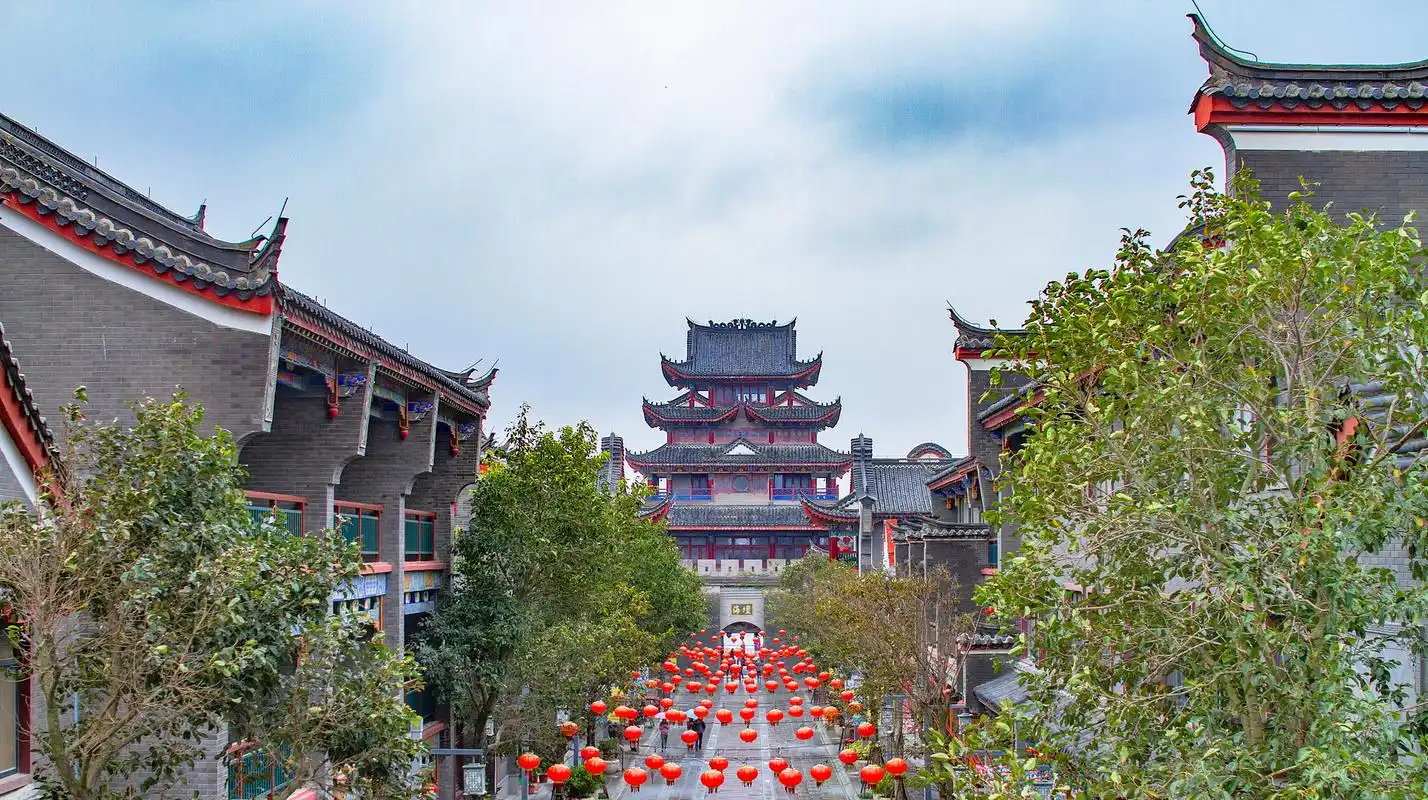




In the southwest corner of the Chinese land, on the banks of the Minjiang River, stands the great Dujiangyan, a hydraulic project that has spanned more than two thousand years. It is not only the crystallization of the wisdom of the Chinese nation but also a shining pearl in the history of world hydraulics. After years of trials, it still plays an irreplaceable role, moistening the vast Chengdu Plain and giving birth to the splendid Bashu civilization.
The Historical Origin of Dujiangyan
In 256 BC, during the Warring States period, Li Bing and his son, the governors of Shu Prefecture of the Qin State, led the people to build this historical hydraulic project. At that time, the Minjiang River was flooded, and the Chengdu Plain suffered from frequent droughts and floods, causing great distress to the people. With outstanding wisdom and perseverance, Li Bing and his son carefully surveyed and planned, and then launched this great water – control project.
The Ingenious Engineering Structure
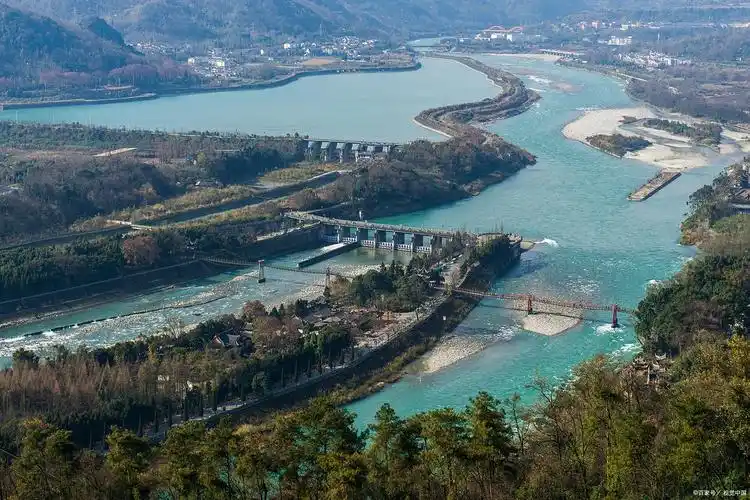
Dujiangyan consists of three main projects: the Yuzui Diversion Dam, the Feisha Weir Spillway, and the Baopingkou Water Inlet, as well as auxiliary projects such as the Baizhang Dyke and the Renzi Dyke. They depend on and restrict each other, forming a scientific, complete, and unique hydraulic engineering system.
- Yuzui Diversion Dam: Shaped like a fish’s mouth, it divides the Minjiang River into the Neijiang River (Inner River) and the Waijiang River (Outer River). The Neijiang River is used for water diversion and irrigation, while the Waijiang River is mainly used for flood discharge and sediment removal. In the dry season, 60% of the river water flows into the Neijiang River to ensure irrigation water; during the flood season, 60% of the river water flows into the Waijiang River to reduce the flood control pressure of the Neijiang River. This ingenious design realizes automatic diversion, which is amazing.
- Feisha Weir Spillway: Located between the Neijiang River and the Waijiang River, it has multiple functions such as flood discharge, sediment removal, and water volume regulation. When the water volume of the Neijiang River exceeds the flood – discharge capacity of the Baopingkou, the excess river water will overflow from the Feisha Weir automatically. At the same time, it can use the principle of centrifugal force to discharge a large amount of sediment into the Waijiang River, effectively reducing the sediment deposition in the Neijiang River and ensuring the smooth flow of the irrigation channels.
- Baopingkou Water Inlet: It is the throat of the Neijiang River’s water intake, shaped like a bottleneck. It controls the water intake volume of the Neijiang River. Like a solid gate, it keeps the water volume flowing into the Chengdu Plain relatively stable, not only meeting the irrigation needs but also preventing floods.
The Cultural Value of Dujiangyan
Dujiangyan is not just a hydraulic project but also a treasure trove carrying rich cultural connotations. It embodies the ancient Chinese philosophical thought of “harmony between man and nature”, emphasizing the harmonious co – existence of humans and nature. Li Bing and his son followed the laws of nature in water control, guiding the water according to the situation, and achieving the greatest hydraulic benefits with minimal human intervention. This water – control concept has had a profound impact on the construction of later hydraulic projects and has become an important source of the Chinese nation’s water – control culture. At the same time, numerous folk legends, poems, and songs have emerged around Dujiangyan. For example, the three – character classic of water control, “Dig deep the beach, build the weir low”, has become the water – control principle passed down from generation to generation.
The Modern Significance of Dujiangyan
In modern society, Dujiangyan still plays a huge role. It irrigates more than 10 million mu of farmland, laying a solid foundation for the agricultural development of Sichuan and making the Chengdu Plain a veritable “Land of Abundance”. At the same time, as a world cultural heritage, Dujiangyan attracts a large number of domestic and foreign tourists, driving the vigorous development of local tourism. Its unique hydraulic engineering technology and profound cultural heritage also provide valuable resources for hydraulic engineering research, cultural inheritance, and exchanges.
Conclusion
Dujiangyan, this millennial – old hydraulic monument, with its unparalleled wisdom and tenacity, writes a magnificent chapter of harmonious co – existence between humans and nature. It is a gift from history and the cornerstone of future development. In the new era, we should cherish this precious heritage even more, inherit and carry forward the great spirit contained in Dujiangyan, and let this pearl in the history of world hydraulics shine more brightly.