



Hunan historical legends and folk tales are an indispensable part of Xiangchu ancient civilization and Huxiang regional culture. Rooted in thousands of years of mountain-water geography, border history, ethnic integration, and folk beliefs, these mysterious and touching anecdotes blend real historical events, mythological imagination, and local folk customs. Unlike official recorded history, Hunan’s folk historical anecdotes focus on grassroots stories, supernatural legends, heroic deeds, and ancient place origin tales, covering love myths, Taoist immortality stories, military historical rumors, mysterious western Hunan customs, and ancient architectural legends. These vivid and profound stories perfectly interpret the unique spiritual temperament of Huxiang people—persistent, bold, affectionate, and awe-inspiring. This article comprehensively sorts out the most representative and widely spread eight major historical anecdotes and mysterious legends in Hunan, restoring their historical backgrounds, story details, and cultural connotations.
1. Xiangfei Bamboo Legend: The Eternal Love Myth of Dongting Lake
As one of the oldest and most romantic legends in Hunan history, the Xiangfei Bamboo (Concubine Bamboo) legendhas been passed down for more than 4,000 years and is recorded in ancient classics such as Shan Hai Jing and Chu Ci. The story originated from the ancient Emperor Shun’s southern inspection tour. In ancient times, Emperor Shun traveled south to pacify border tribes and spread civilized etiquette, unfortunately passing away in Cangwu Jiuyi Mountain in southern Hunan.
His two loyal concubines, Ehuang and Nüying, traveled thousands of miles from the Central Plains to Dongting Lake to search for Emperor Shun. After learning the news of the emperor’s death, the two princesses wept bitterly beside the lake for days and nights. Their crystal tears dripped continuously on the green bamboos on Junshan Island, leaving permanent purple-brown spot marks on the bamboo surface. Since then, this unique spotted bamboo has been named Xiangfei Bamboo, becoming a symbol of loyal love and eternal longing.
Eventually, the two concubines drowned themselves in Dongting Lake to follow Emperor Shun. Local folks honored them as the Goddesses of Xiang River, building Xiangfei Temple and erecting memorial tombs on Junshan Island. This legend not only creates the unique natural landscape of spotted bamboo in Hunan but also lays the affectionate and gentle cultural foundation of Xiangchu culture, and is praised by Qu Yuan and countless ancient literati in their poems.
2. Liuyi Well Legend: The Fairy Tale of Dragon Palace Love and Mortal Righteousness
Liuyi Well legend is a classic fairy folk tale spread in Changsha and Dongting Lake areas, known as the “most touching mortal and dragon love story in Hunan folklore”. According to ancient local records, in the Tang Dynasty, a poor and honest scholar named Liuyi failed the imperial examination and returned home in depression. On the roadside of Tanzhou (ancient Changsha), he accidentally met a distressed young shepherdess crying bitterly in the wilderness.
After inquiry, the girl turned out to be the third princess of Dongting Dragon Palace. She was forced to marry the violent and immoral second prince of Jinghe Dragon Palace, suffering long-term abuse and humiliation. Kind-hearted Liuyi sympathized with the princess’s miserable experience and promised to send a letter for her to the Dragon Palace to help her family rescue her. Going through countless difficulties and dangers, Liuyi successfully delivered the letter and assisted the Dragon Palace troops in rescuing the princess.
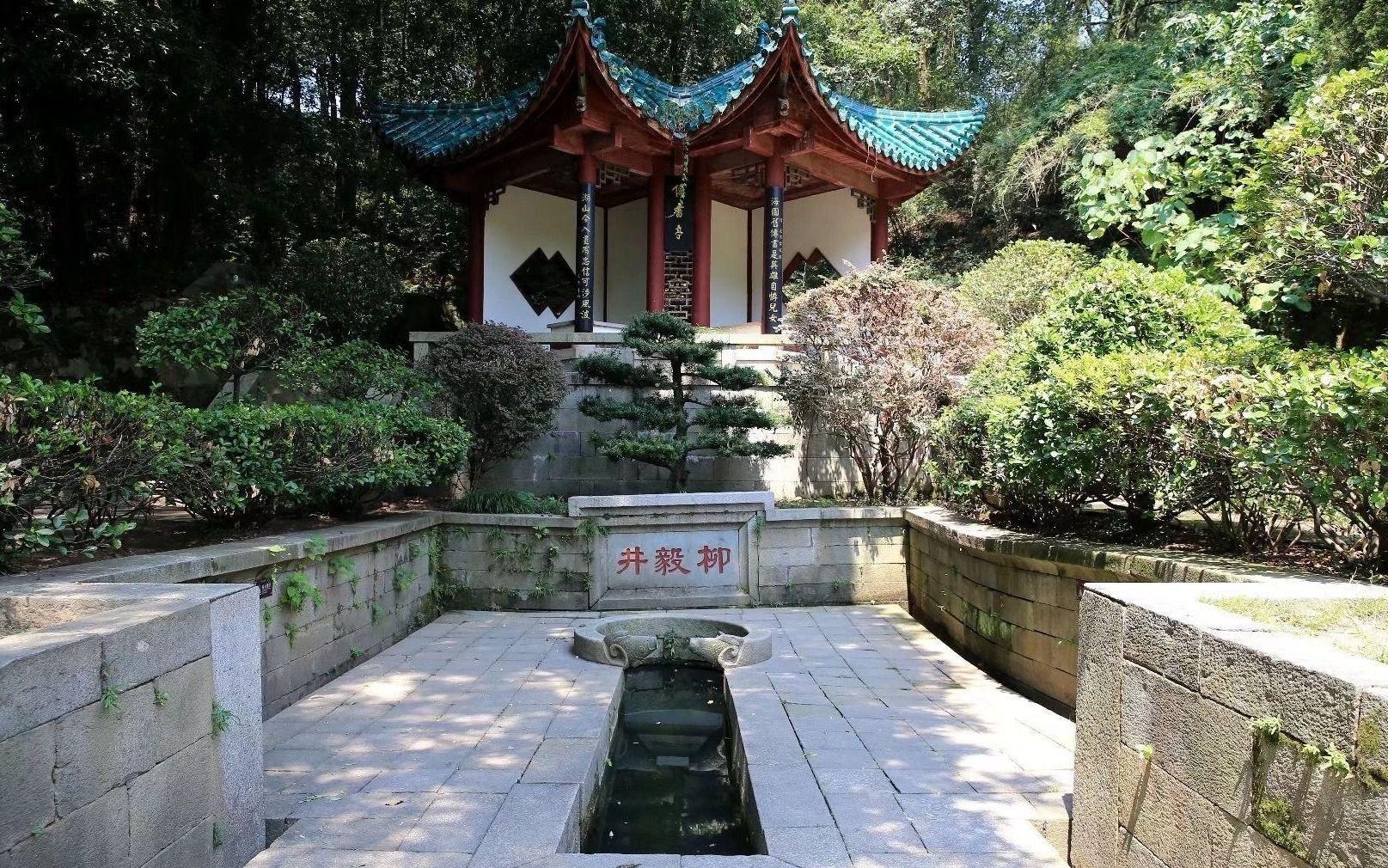
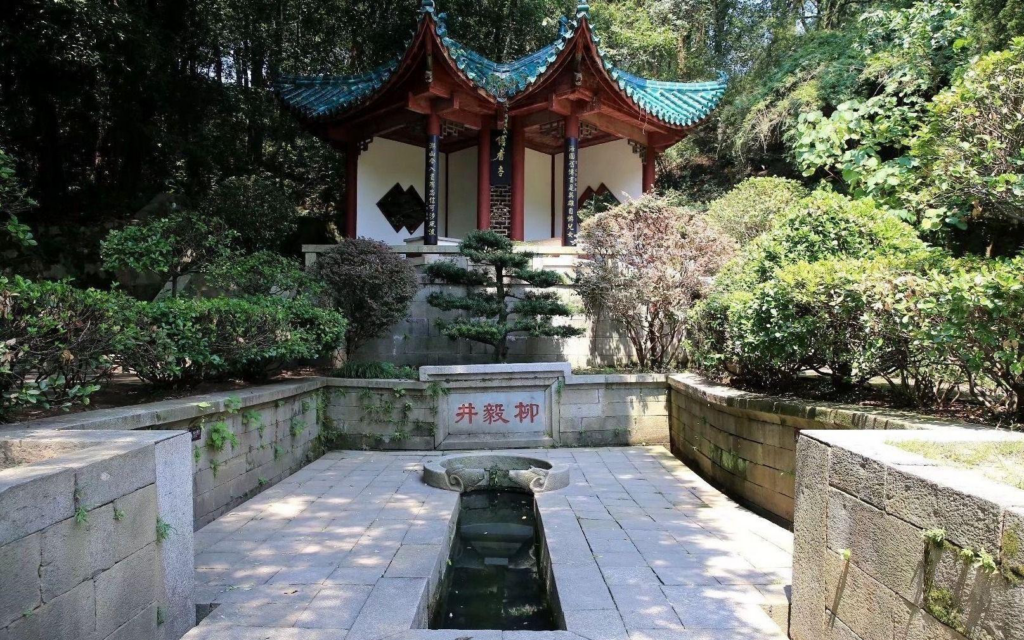
Moved by Liuyi’s honesty, courage and righteousness, the Dragon King betrothed the third princess to him. The mortal scholar and dragon palace princess finally got married and lived a happy life in the local village. The ancient well where the princess once fetched water was namedLiuyi Well, which is still preserved in Changsha today. This legend eulogizes the virtues of honesty and kindness, and has become a precious intangible cultural heritage of Hunan folk tales.
3. Suxian Immortality Tale: The Ancient Plague Rescue Legend in Chenzhou
The Suxian Legend prevailing in Chenzhou is a famous Taoist immortality story with practical humanitarian significance, dating back more than 2,000 years to the Western Han Dynasty. In ancient Chenzhou, a kind girl named Pan gave birth to a child out of wedlock. Faced with family pressure, she had to hide her infant son in a remote mountain cave.
Miraculously, the baby was protected by cranes and fed by wild deer, surviving tenaciously in the wild. The boy grew up to be the filial and intelligent Su Dan, who made a living by cutting firewood and collecting herbs to support his mother. After years of accumulation, Su Dan mastered profound medical skills and Taoist cultivation.
Before ascending to immortality, Su Dan predicted that a severe plague would break out in Chenzhou the next year. He told his mother to boil water from the home well with orange leaves to cure all infected people. As predicted, the plague swept the whole prefecture the next year. Su’s mother followed her son’s instructions to treat villagers, saving tens of thousands of local people. In memory of Su Dan’s kindness and holiness, later generations named the local mountain Suxian Mountain and built Suxian Temple, forming the well-known Suxian cultural legend.
4. Western Hunan Corpse Driving: The Most Mysterious Ancient Xiangxi Folk Craft
Western Hunan corpse driving is the most mysterious and legendary folk anecdote in Hunan, exclusive to the ancient Chenzhou and Xiangxi mountainous areas including Yuanling, Luxi, Chenxi, and Xupu. In ancient times, western Hunan had rugged mountain roads, dense forests, and no convenient water and land transportation. Many porters, merchants and soldiers died in foreign lands and could not return home for burial.
Based on the ancient belief of fallen leaves return to their roots, professional corpse drivers (local wizards) mastered the unique Chenzhou Talisman craft. Through ancient witchcraft rituals, they made the corpses stand and jump autonomously, walking along mountain roads following the sound of gongs at night, returning to their hometowns for peaceful burial. This ancient custom originated from the ancient Chiyou witchcraft culture of the Meishan and Miao ethnic groups, with a history of thousands of years.
With the progress of modern transportation and civilization, corpse driving has completely disappeared, but it has become the most iconic mysterious cultural symbol of western Hunan. It records the ancient people’s emphasis on life etiquette and hometown complex, and is a unique and unsolved folk anecdote in southern Chinese civilization.
5. Emperor Zhu’s Hunan Massacre Legend: The Famous Historical Controversial Anecdote
The Hongwu Massacre in Hunan is the most influential historical unofficial anecdote in Hunan’s Ming Dynasty history, widely spread in rural folk societies. According to local folk legends and clan genealogical records, during the founding of the Ming Dynasty, Zhu Yuanzhang carried out large-scale cleansing and massacres in Liuyang and surrounding Hunan areas.
There are three mainstream folk versions of the legend. The first is the political revenge theory: local Hunan people strongly supported Zhu Yuanzhang’s rival Chen Youliang in the late Yuan Dynasty, making Zhu hold a grudge and order the massacre after seizing power. The second is the feng shui prophecy theory: Liu Bowen, Zhu’s military advisor, observed celestial phenomena and predicted that Liuyang would produce an emperor three hundred years later, threatening the Ming Dynasty’s foundation, so he suggested eliminating local vital energy. The third is personal hatred: Zhu Yuanzhang once begged for food in Liuyang and was beaten and humiliated by villagers, vowing to massacre the place after becoming emperor.
Although this legend is not fully recorded in official histories, it is widely confirmed in local genealogies and village stories. It explains the historical background of the great migration from Jiangxi to Hunan in the Ming Dynasty, and has become an important unofficial historical anecdote for studying Hunan’s population changes and historical evolution.
6. Yang Yao Uprising Legend: The Dongting Lake Water Hero Story
Yang Yao’s uprising legend is a famous heroic historical anecdote in the Southern Song Dynasty, spread in the Dongting Lake basin of Changde and Yueyang. In the late Southern Song Dynasty, the imperial court was corrupt, taxes were heavy, and people lived in hardship. The peasant leader Zhong Xiang raised the banner of uprising, and after his sacrifice, Yang Yao succeeded as the leader, known as the Great Sage Heavenly King by the rebel army.
Yang Yao led the rebel army to occupy seven prefectures and nineteen counties around Dongting Lake, building water fortresses and camps on lake peninsulas and river branches. He adhered to the policy of reducing taxes and comforting civilians, winning the sincere support of local people. The imperial court sent troops to suppress the uprising many times but failed repeatedly due to the complex water network terrain of Dongting Lake.
Many place names around modern Dongting Lake, such as Yangjia Estuary and Longkou, are derived from Yang Yao’s military stories. This legend eulogizes the Huxiang people’s spirit of daring to resist tyranny and uphold justice, and is an important folk historical story reflecting the grassroots heroism of Hunan people.
7. Yueyang Tower Bat Spirit Legend: The Mysterious Architectural Superstition Tale
Yueyang Tower, one of China’s three famous towers, has a well-known mysterious folk anecdote. For thousands of years, Yueyang Tower has repeatedly collapsed after reconstruction, and ancient craftsmen could not find the reason for a long time. Local folks passed down that a huge bat spirit lived under the tower foundation, which deliberately destroyed the building every time it was completed.
In order to suppress the evil spirit and stabilize the tower foundation, ancient skilled craftsmen buried a legendary treasure bowl under the tower. Since then, Yueyang Tower has stood firmly by Dongting Lake for more than 1,700 years, surviving wars, floods and storms without collapsing. The treasure bowl legend is also associated with a toad gratitude story, adding magical and warm color to the ancient tower’s history.
This architectural legend reflects the ancient people’s awe of natural forces and their pursuit of eternal stability, and has become a unique derivative story of Yueyang Tower’s profound cultural heritage.
8. Leishi Mountain Chess Immortal Legend: The Hunan Version of Mountain Time Fairy Tale
Spread in Changsha Leishi Mountain, the Chess Immortal Legend is a classic Hunan time-traversal folk tale. According to local legends, an ancient timber rafter went up the mountain to cut wood and accidentally saw two elderly immortals playing chess on the mountain top. He put down his tools and watched the game intently, forgetting the passage of time.
When the chess game ended and the rafter returned to the foot of the mountain, he was shocked to find that everything in his hometown had completely changed. The wooden raft he moored by the river had decayed completely, and all his relatives and friends had passed away. A single game of chess on the mountain corresponded to a hundred years of mortal time. Later generations named the local harbor Lancha Port (Rotten Wood Port) to record this magical story.
This legend is similar to the traditional Chinese “mountain chess immortals” tale, with unique local place-name inheritance, becoming a representative leisure and magical anecdote in Hunan’s folk culture.
Cultural Value of Hunan Historical Anecdotes
These diverse Hunan historical legends and folk anecdotes are not merely fictional stories. They are the living folk history of Huxiang land, recording the changes of Hunan’s geography, population, wars, and customs from ancient times to modern times. Romantic love myths reflect the gentle and affectionate side of Xiangchu culture; heroic uprising legends interpret the tough and courageous spirit of Huxiang people; mysterious folk customs retain the primitive witchcraft and ethnic cultural genes of western Hunan; architectural and place-name legends witness the integration of ancient labor wisdom and folk beliefs. Together, these anecdotes constitute the three-dimensional and vivid cultural image of Hunan, becoming precious intangible cultural heritage that cannot be replaced by official history.