


Introduction: The Place Where “Mildly Spicy” Can Make You Cry
Imagine sitting down in a restaurant.
You ask the waiter:
“How spicy is this dish?”
The waiter smiles and replies:
“Not very spicy.”
A few minutes later, your mouth is on fire.
Your eyes are watering.
Your forehead is covered in sweat.
Meanwhile, everyone around you is eating comfortably and wondering why you’re struggling.
Welcome to Hunan.
For millions of Chinese people, Hunan Province is synonymous with one thing:
Spice.
Lots of spice.
In fact, many Chinese joke that Hunan people can eat chili peppers with almost everything.
Breakfast.
Lunch.
Dinner.
Snacks.
Pickles.
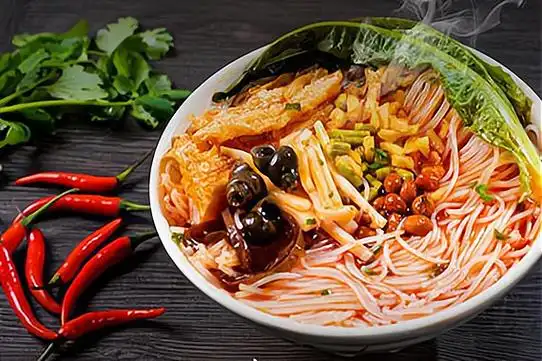
Noodles.
Even simple stir-fried vegetables often contain fresh chilies.
But why?
Why did this region develop one of the world’s spiciest cuisines?
The answer involves geography, climate, agriculture, history, and cultural identity.
And surprisingly, the story begins with a pepper that wasn’t originally Chinese at all.
Where Is Hunan?
Hunan Province is located in south-central China.
Its name literally means:
“South of the Lake.”
The lake in question is Dongting Lake, one of China’s largest freshwater lakes.
The province is known for:
- Mountains
- Rivers
- Lakes
- Fertile farmland
It is also the birthplace of many famous historical figures, including Mao Zedong.
Today, Hunan is home to more than 60 million people.
And many of them are passionate about spicy food.
The First Surprise: Chili Peppers Are Not Native to China
Most people assume Chinese cuisine has always used chili peppers.
This is not true.
Chili peppers originated in the Americas.
They arrived in China only after global trade expanded following European exploration.
Most historians believe chilies entered China sometime during the Ming Dynasty, roughly 400 years ago.
Before that, Chinese cooks relied on other ingredients for heat, including:
- Ginger
- Garlic
- Mustard
- Sichuan peppercorns
The arrival of chili peppers changed everything.
Particularly in Hunan.
Why Chilies Thrived in Hunan
Not every region adopted chili peppers with equal enthusiasm.
Hunan embraced them wholeheartedly.
Why?
Because the local environment was ideal.
The province has:
- Warm temperatures
- Abundant rainfall
- Fertile soil
Chili peppers grow exceptionally well under these conditions.
They became inexpensive, widely available, and easy to cultivate.
Once introduced, they spread rapidly through local cuisine.
The Climate Theory
One common explanation involves climate.
Hunan summers are:
- Hot
- Humid
- Sticky
Traditional Chinese medicine often associates damp environments with discomfort and sluggishness.
Many people believed spicy food helped combat these conditions.
According to traditional thinking, chilies could:
- Stimulate circulation
- Encourage sweating
- Increase comfort in humid weather
Whether scientifically accurate or not, these beliefs contributed to chili’s popularity.
Why Farmers Loved Chili Peppers
There was also an economic reason.
Historically, many rural families had limited access to expensive ingredients.
Chili peppers provided a simple way to make basic foods more flavorful.
A small amount of chili could transform:
- Rice
- Vegetables
- Tofu
Into something exciting.
For ordinary people, chilies offered affordable flavor.
That made them extremely attractive.
Hunan Cuisine Is Not the Same as Sichuan Cuisine
Foreign visitors often confuse Hunan food with Sichuan food.
Both are famous for spice.
However, they are very different.
Sichuan Cuisine
Uses large amounts of Sichuan peppercorns.
Produces the famous “mala” sensation:
Hot and numbing.
Hunan Cuisine
Focuses more heavily on:
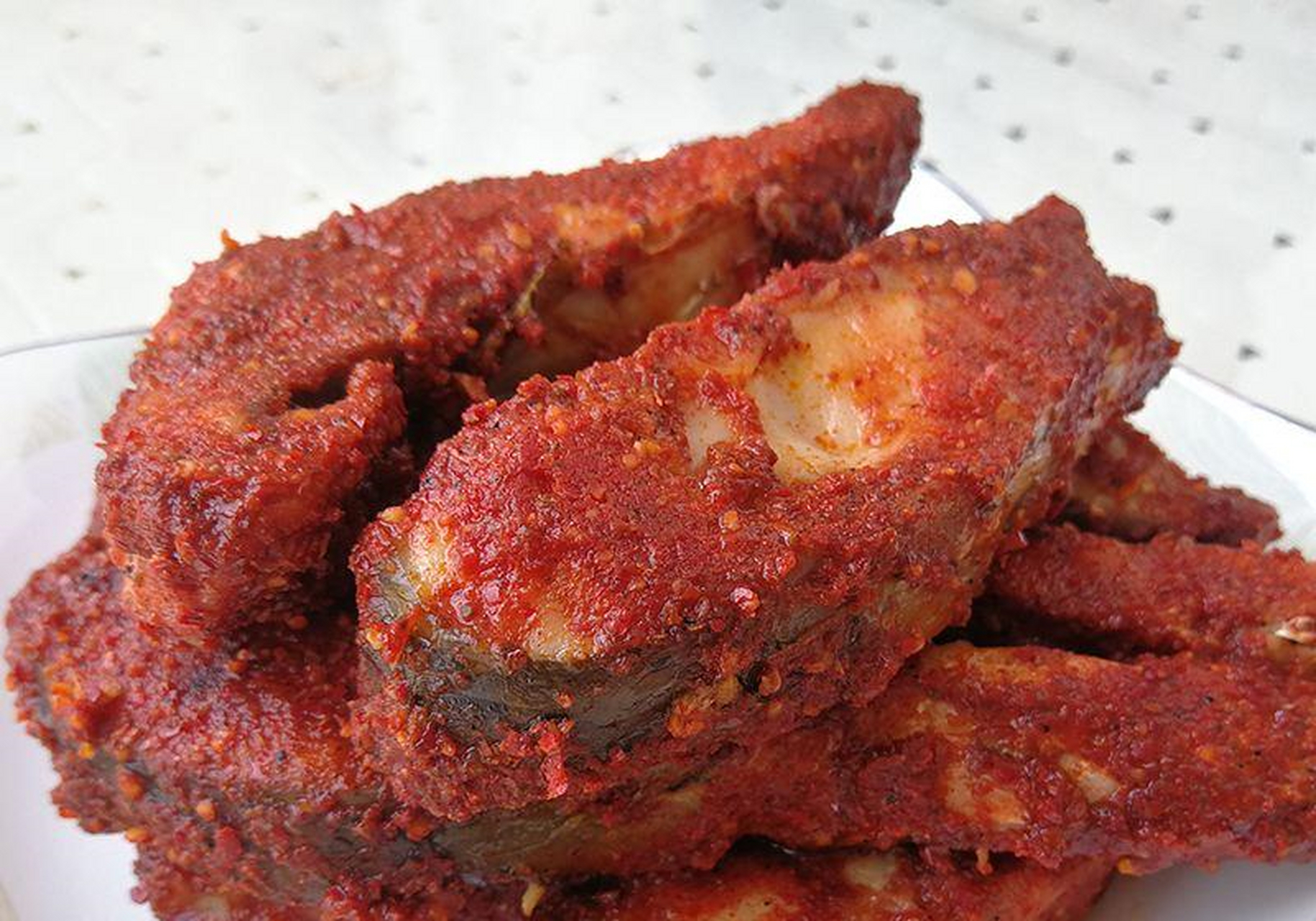
- Fresh chilies
- Pickled chilies
- Dried chilies
The heat is often cleaner, sharper, and more direct.
If Sichuan cuisine feels like an explosion of flavors, Hunan cuisine often feels like a concentrated chili assault.
Fresh Chili Is King
One defining characteristic of Hunan cooking is the use of fresh peppers.
Walk through markets in Hunan and you’ll find enormous quantities of:
- Green chilies
- Red chilies
- Pickled chilies
- Chopped chilies
Many households prepare homemade chili condiments.
For locals, chilies are not merely seasoning.
They are a core ingredient.
The Famous Chopped Chili
One of Hunan’s most iconic ingredients is chopped chili.
Fresh peppers are chopped and preserved.
The result appears in countless dishes.
Its bright color and intense flavor symbolize Hunan cuisine itself.
Many Hunan residents living elsewhere in China insist on bringing jars of homemade chili from home.
That is how important it can be.
Hunan People Eat Spice From Childhood
In many parts of Hunan, children grow up eating spicy food from an early age.
As a result, their tolerance develops naturally.
What seems unbearably spicy to outsiders may taste perfectly normal to locals.
This cultural familiarity reinforces the cycle.
Each generation inherits the culinary preferences of the previous one.
Spice as Cultural Identity
Over time, spicy food became more than a dietary habit.
It became part of regional identity.
Many Hunan people take pride in their ability to eat spicy food.
Among friends, tolerance for chili can even become a topic of playful competition.
The cuisine serves as a marker of local culture.
The Famous Saying About Hunan People
A popular saying describes Hunan people as:
“Not afraid of hardship, not afraid of death.”
Whether serious or humorous, the phrase reflects a cultural reputation for toughness and determination.
Spicy food often becomes associated with these qualities.
Eating fiery dishes is sometimes viewed as a reflection of a bold personality.
Mao Zedong and Spicy Food
One of Hunan’s most famous sons was Mao Zedong.
According to many accounts, Mao enjoyed spicy food throughout his life.
Stories about his love of chili peppers helped reinforce the connection between Hunan identity and spicy cuisine.
Today, restaurants often mention this association.
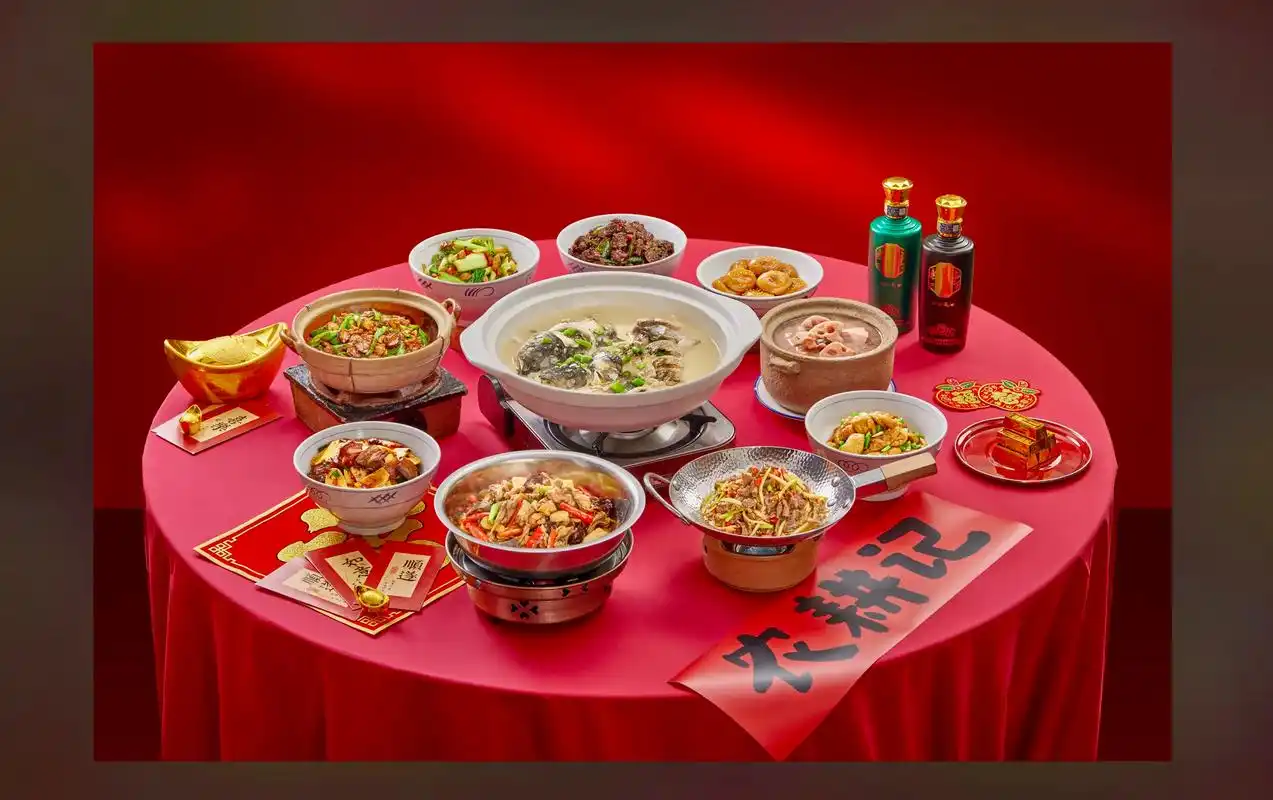
Signature Dishes of Hunan Cuisine
Visitors hoping to experience authentic Hunan food should try some of its most famous dishes.
Chopped Chili Fish Head
Perhaps Hunan’s most iconic dish.
A large fish head is steamed and covered with generous amounts of chopped chili.
The result is intensely flavorful.
Stir-Fried Pork With Peppers
A simple but beloved combination of pork and fresh chilies.
This dish perfectly demonstrates Hunan cooking’s emphasis on freshness.
Smoked and Cured Meats
Many traditional Hunan dishes feature smoked pork.
The smoky flavor combines beautifully with spicy ingredients.
Pickled Chili Dishes
Pickling is an important preservation technique throughout Hunan cuisine.
Pickled peppers contribute acidity, complexity, and heat.
Why Foreigners Sometimes Struggle
Many visitors underestimate Hunan spice levels.
The food may not always look intimidating.
Then the first bite arrives.
The difference lies in the type of heat.
Hunan cuisine often delivers a direct, persistent chili burn.
Unlike some cuisines that balance spice with sweetness, Hunan dishes frequently embrace intensity.
For newcomers, the experience can be memorable.
The Rise of Hunan Cuisine Across China
In recent decades, Hunan restaurants have expanded throughout the country.
Young consumers appreciate:
- Bold flavors
- Fresh ingredients
- Strong aromas
Today, Hunan cuisine ranks among China’s most popular regional food traditions.
Its influence continues to grow.
What Hunan Food Reveals About Chinese Cuisine
Many foreigners think of Chinese food as a single cuisine.
In reality, China contains numerous distinct culinary traditions.
Hunan cuisine demonstrates this diversity beautifully.
The differences between Hunan and other regions can be as dramatic as the differences between French and Italian food.
Understanding Hunan helps reveal the complexity of Chinese food culture.
Why Travelers Should Visit Hunan
The province offers much more than spicy food.
Visitors can explore:
- Mountains
- Ancient towns
- Lakes
- Minority cultures
- Historic sites
Yet food remains one of the strongest reasons to visit.
For culinary travelers, Hunan provides an unforgettable experience.
Conclusion: More Than Just Heat
At first glance, Hunan cuisine may seem defined by one thing:
Spice.
But the story goes much deeper.
The province’s love of chili reflects:
- Geography
- Climate
- Agriculture
- History
- Identity
Over centuries, peppers became woven into everyday life.
They shaped cooking traditions, family recipes, and regional culture.
Today, Hunan’s fiery cuisine remains one of the most distinctive food traditions in China.
And for those willing to embrace the heat, it offers something extraordinary:
A taste of a region where food is not merely nourishment.
It is personality.
It is pride.
And sometimes, it is a challenge.