



Introduction: The Village That Looks Like a Fantasy Movie
Imagine hiking into a remote Chinese mountain village.
You expect to meet farmers and villagers.
Instead, you see women with hair so long it reaches the ground.
Some have hair longer than:
- Their height
- Their bodies
- Several meters in length
Even more surprising:
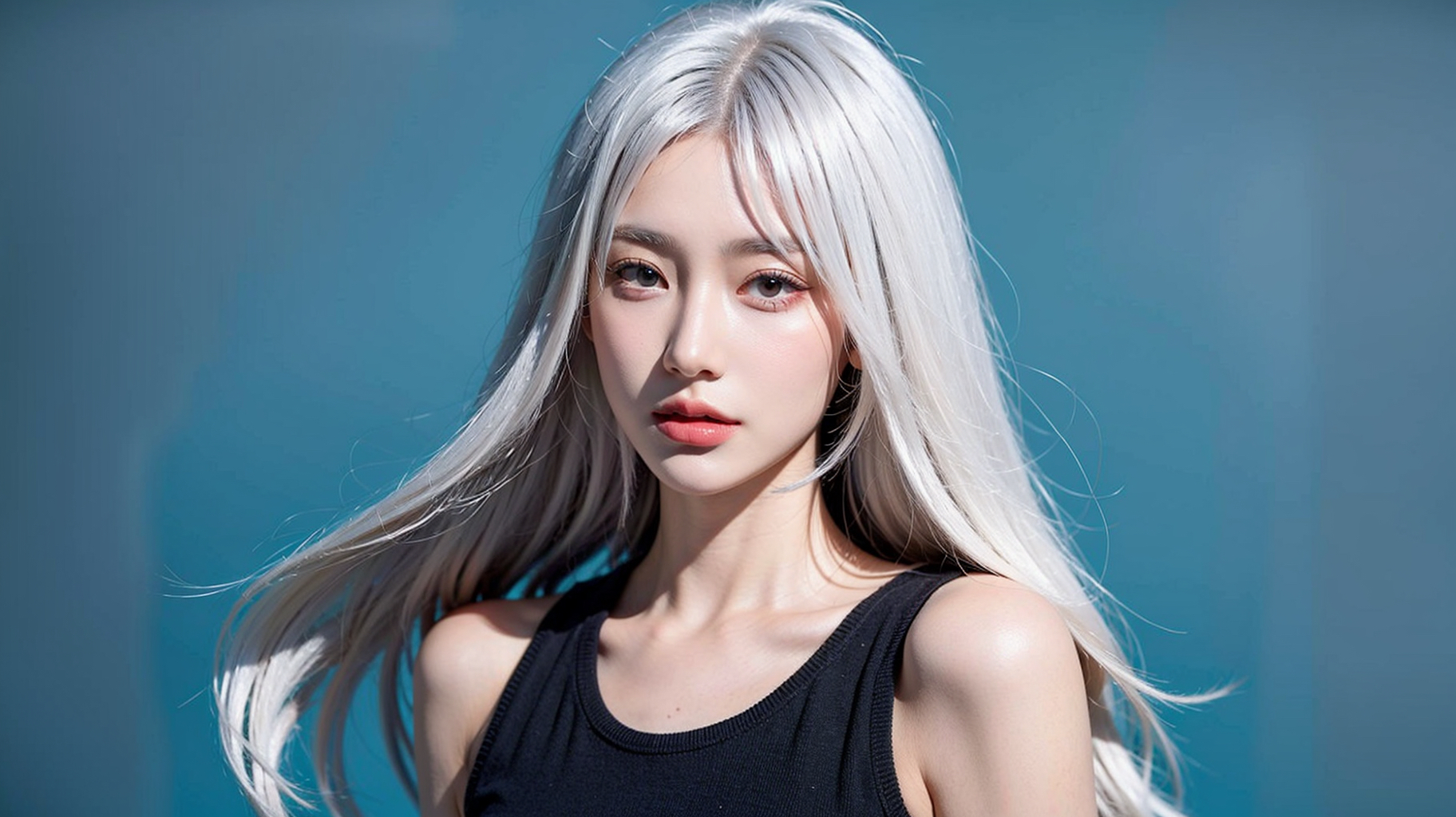
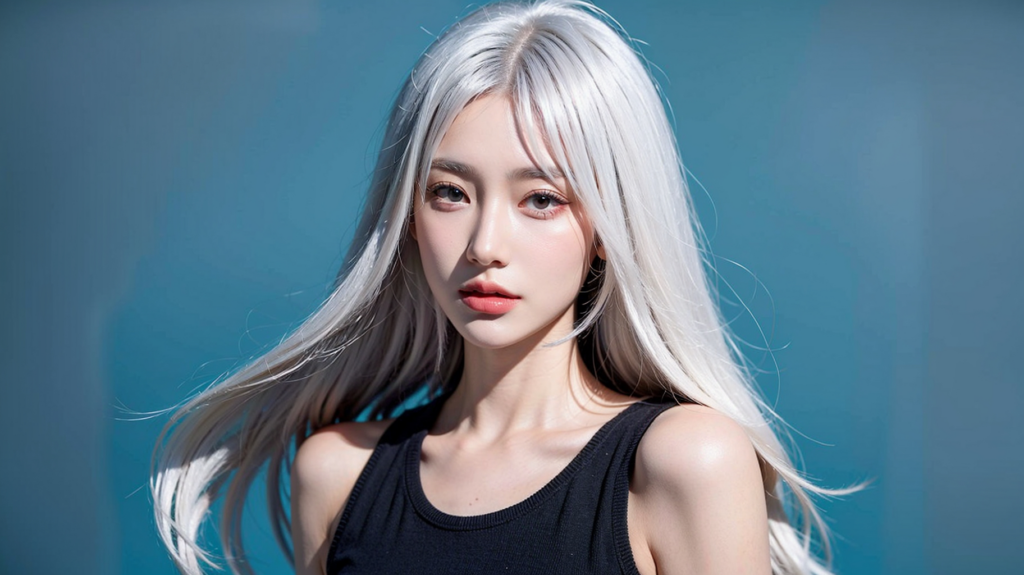
Many older women appear to have silver-white hair.
To foreign visitors, the scene feels unreal.
Photos from these villages frequently go viral online.
Many people assume:
- The hair is fake.
- The color is dyed.
- The images are edited.
But the reality is even more fascinating.
Who Are the White-Haired Women?
Contrary to popular belief, this is not a separate ethnic group.
The phenomenon is associated primarily with communities of the:
Yao People
particularly in:
Huangluo Yao Village
The village has become famous worldwide as:
“The Long Hair Village.”
Although many internet articles call them “White-Haired Miao,” the most famous community is actually Yao rather than Miao.
This distinction is important.
The Guinness-Level Hair
Women in Huangluo are famous for growing hair that can exceed:
- 1 meter
- 2 meters
- Sometimes over 2.5 meters
Historically, extremely long hair was considered a symbol of:
- Beauty
- Health
- Prosperity
- Good fortune
Generations of women preserved the tradition.
Today it remains one of the village’s most recognizable cultural features.
Why Is Their Hair So Long?
The answer is surprisingly simple:
They almost never cut it.
Traditionally, many women cut their hair only once in their lives.
This usually occurred around adulthood.
The cut hair was then carefully preserved.
Afterward, the hair continued growing for decades.
As a result, extraordinary lengths became possible.
The Famous Rice-Water Secret
One of the village’s most famous traditions involves washing hair with fermented rice water.
For centuries, women used water left over from rice preparation as a natural hair treatment.
Locals believe it helps:
- Maintain hair strength
- Improve shine
- Reduce breakage
Modern beauty influencers have turned this practice into a global trend.
Today, rice-water hair treatments are popular far beyond China.
Do They Really Not Get Gray Hair?
This is one of the biggest myths.
Tourist advertisements often claim village women keep black hair throughout life.
The reality is more complicated.
Like people everywhere, aging eventually affects hair color.
However, traditional hair care practices and the way hair is styled can create striking visual effects.
Some women also wrap their hair in elaborate arrangements that make age difficult to judge.
Why Do Some Photos Show White Hair?
Several reasons contribute:
Natural Aging
Hair naturally becomes gray or white with age.
Traditional Hairstyles
Hair may be wrapped and arranged in ways that emphasize lighter colors.
Lighting and Photography
Silver hair reflects light dramatically.
This creates stunning photographs that attract international attention.
Hair Was Once a Private Secret
Historically, Yao women did not openly display their hair.
In earlier times, only:
- Husbands
- Family members
were allowed to see a woman’s uncovered hair.
The hair was considered deeply personal.
Showing it publicly could be viewed as inappropriate.
This tradition has gradually changed with tourism.
The Three Hair Bundles
Traditional hairstyles often incorporate:
- Natural hair
- Hair cut during adulthood
- Hair shed naturally over time
These elements may be woven together into a single elaborate hairstyle.
The result can appear incredibly large and complex.
Visitors are often astonished by the craftsmanship involved.
More Than Just Hair
Foreign tourists often focus exclusively on appearance.
But the culture surrounding the hair is much deeper.
The hairstyle reflects:
- Family identity
- Community traditions
- Female status
- Cultural continuity
Hair functions as a living symbol of heritage.
Life in the Mountains
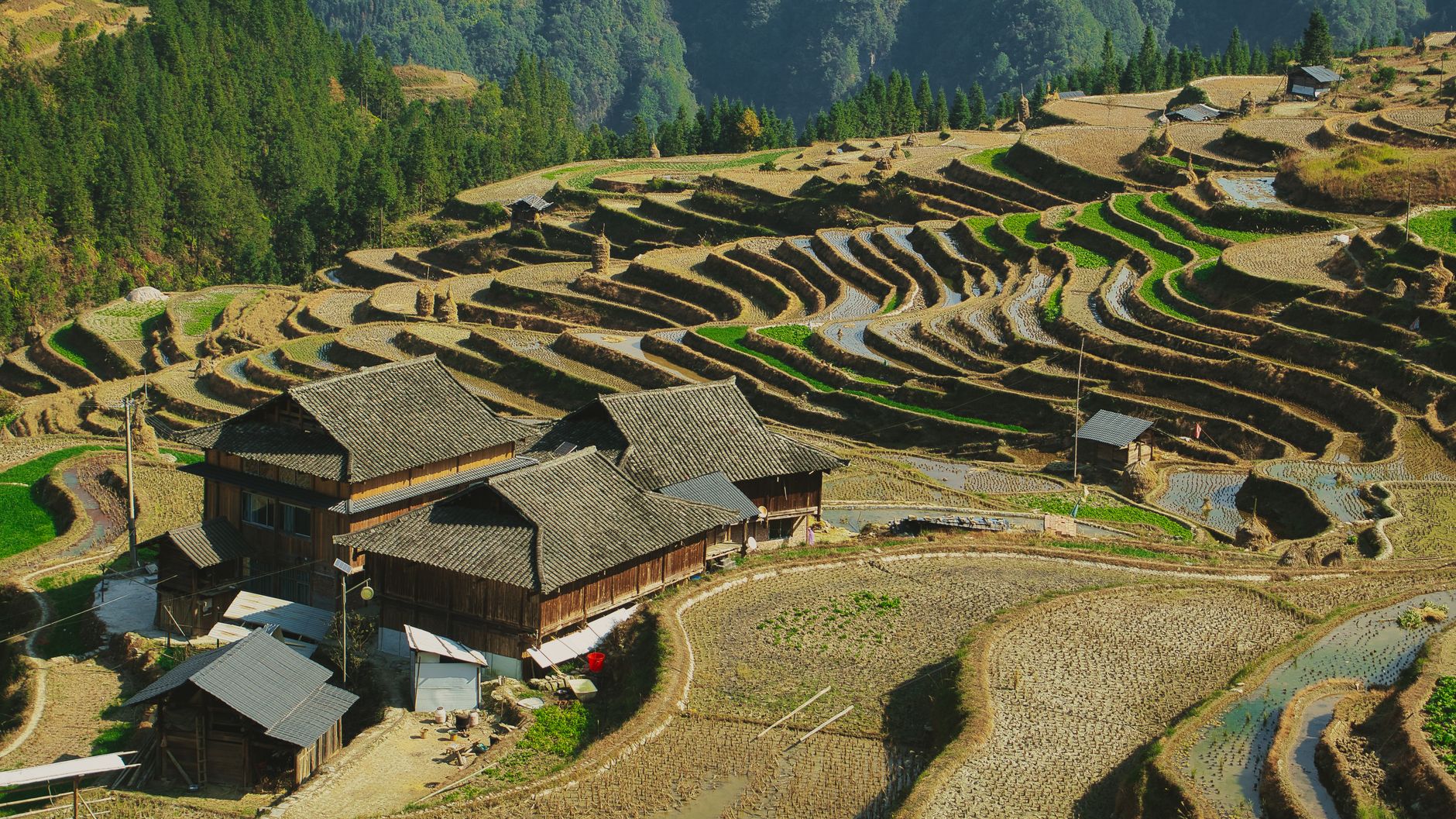
The villages associated with these traditions are located among some of southern China’s most beautiful landscapes.
Terraced rice fields surround many communities.
The region is famous for:
Longji Rice Terraces
Often called:
“The Dragon’s Backbone.”
The combination of:
- Terraces
- Mountains
- Traditional villages
creates one of China’s most photogenic regions.
Why Tourists Love Visiting
Visitors come for several reasons:
Photography
The hairstyles are visually stunning.
Cultural Experiences
Travelers want to learn about traditional life.
Nature
The surrounding scenery is spectacular.
Curiosity
Many people simply want to understand the mystery behind the famous hair.
The Problem With Internet Myths
The internet has created numerous exaggerated stories.
Some claim:
- The women never age.
- Their hair never turns gray.
- They possess unique genetics.
There is little evidence supporting these sensational claims.
The real story is cultural rather than supernatural.
And that makes it just as fascinating.
What Makes the Miao and Yao So Interesting?
The broader Miao and Yao communities possess rich traditions including:
- Embroidery
- Music
- Festivals
- Silver jewelry
- Oral legends
These cultures have preserved remarkable diversity despite rapid modernization.
The hair tradition is only one part of a much larger cultural world.
Why Anthropologists Study Them
Researchers see these communities as valuable examples of how traditions survive.
The hairstyles reveal connections between:
- Beauty standards
- Gender roles
- Identity
- Community memory
Each generation passes knowledge to the next.
In this way, culture literally grows with the hair.
Are These Traditions Disappearing?
Modern life presents challenges.
Young people increasingly move to cities.
Fashion trends change.
Tourism influences local customs.
Yet many families continue preserving traditional practices.
The long hair remains an important symbol of identity.
Why Foreigners Find This Story Fascinating
The White-Haired Village combines several irresistible themes:
- Beauty
- Mystery
- Tradition
- Photography
- Hidden cultures
It feels like something from a fairy tale.
Yet it is completely real.
What This Story Reveals About China
Most outsiders imagine China as a uniform society.
The White-Haired Villages reveal a different reality.
China contains extraordinary cultural diversity.
Many traditions survive in remote regions far from major cities.
These communities remind us that some of the most fascinating stories are hidden in places few people ever visit.
Conclusion: The Women Who Carry History in Their Hair
Deep in the mountains of southern China, generations of women have preserved a tradition unlike almost any other in the world.
Their remarkable hair is more than a tourist attraction.
It is a symbol of identity, family, and cultural continuity.
For visitors, the sight is unforgettable.
For anthropologists, it is a living connection to the past.
And for the world, it is another reminder that China’s greatest treasures are often found far beyond its famous landmarks.
Sometimes, history isn’t written in books.
Sometimes, it grows one strand at a time.