


Introduction: The Food Culture Shock Most Tourists Never Forget
Every city has foods that surprise outsiders.
In France, people eat snails.
In Iceland, some people eat fermented shark.
In Scotland, there is deep-fried Mars Bar.
But few places surprise visitors quite like Hong Kong.
Many travelers arrive expecting:
- Dim Sum
- Roast duck
- Barbecue pork
- Egg tarts
Then they walk through a local market and discover something completely different.
Chicken feet.
Pig blood.
Snake soup.
Century eggs.
Herbal jelly made from ancient medicinal recipes.
For many Western visitors, Hong Kong’s food culture can be both fascinating and intimidating.
Yet behind every unusual dish lies a story that reveals something important about Chinese history, culture, and survival.
Let’s explore ten foods that often shock foreigners—but are beloved by locals.
1. Chicken Feet
The Dish That Terrifies First-Time Tourists

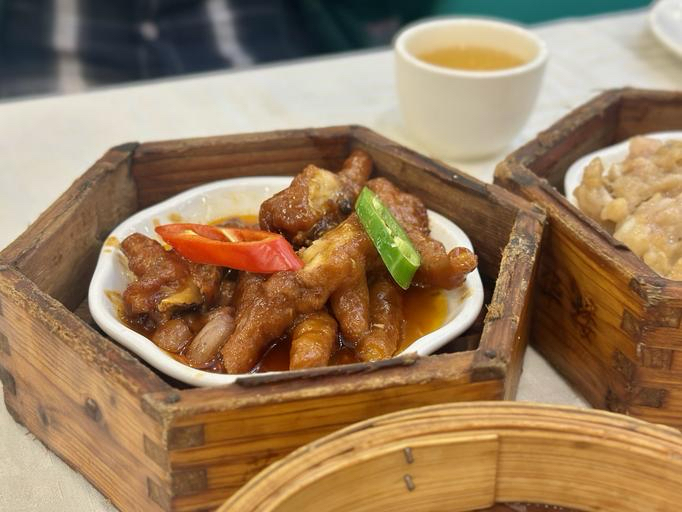
Among all Hong Kong foods, nothing surprises visitors more quickly than chicken feet.
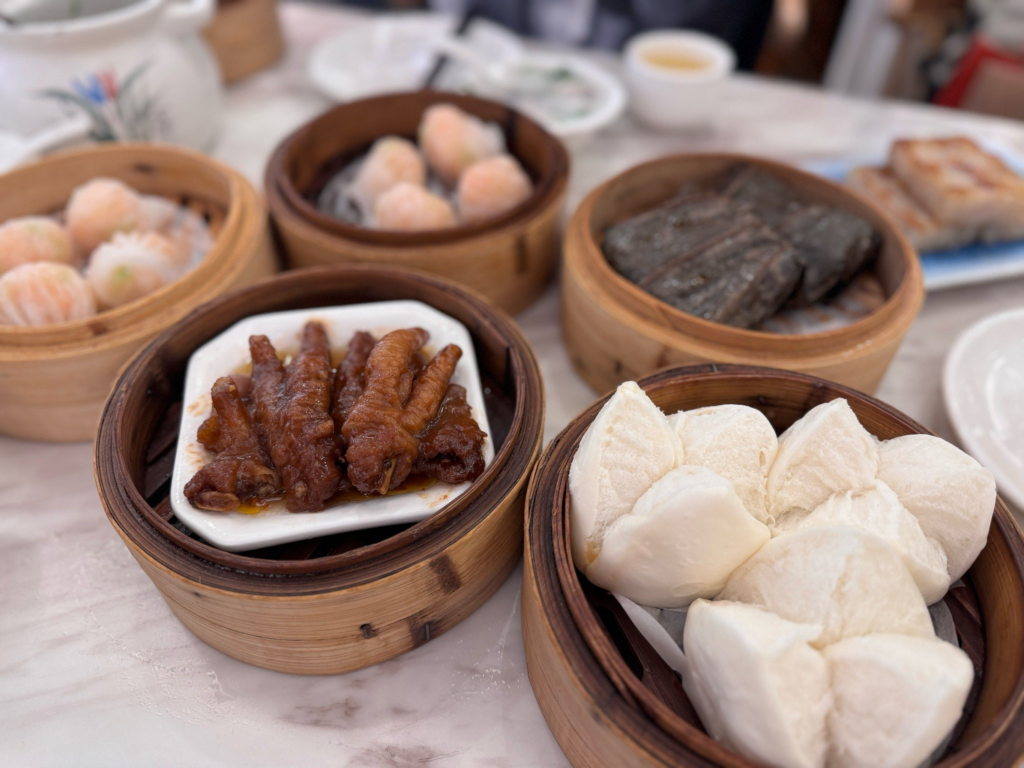
At Dim Sum restaurants, baskets of braised chicken feet appear on tables everywhere.
Foreign tourists often stare in disbelief.
After all, in many countries chicken feet are discarded.
So why eat them?
The answer is texture.
Chinese cuisine places enormous importance on texture, sometimes even more than flavor.
Properly prepared chicken feet become:
- Soft
- Gelatinous
- Richly flavored
Many locals consider them a delicacy.
2. Pig Blood Curd
Yes, It Is Exactly What It Sounds Like
One of Hong Kong’s most famous street foods contains solidified pig blood.
Known as Pig Blood Curd, it is commonly served in soups or hotpots.
To Western ears, this may sound alarming.
Yet blood-based foods exist throughout the world.
Examples include:
- British black pudding
- Spanish morcilla
- French boudin noir
Pig Blood Curd is valued for its smooth texture and mild flavor.
For many Hong Kong residents, it is simply comfort food.
3. Snake Soup
The Dish With a Thousand Years of History
Nothing attracts curious tourists like Snake Soup.
Historically, it was considered a luxury dish.
Traditional recipes may contain:
- Snake meat
- Mushrooms
- Ginger
- Citrus peel
- Herbs
The soup itself looks surprisingly ordinary.
Most visitors cannot identify the snake meat without being told.
Locals traditionally believed it helped warm the body during winter.
Today, Snake Soup remains one of Hong Kong’s most famous culinary traditions.
4. Century Egg
The Egg That Looks Like It Came From Another Planet
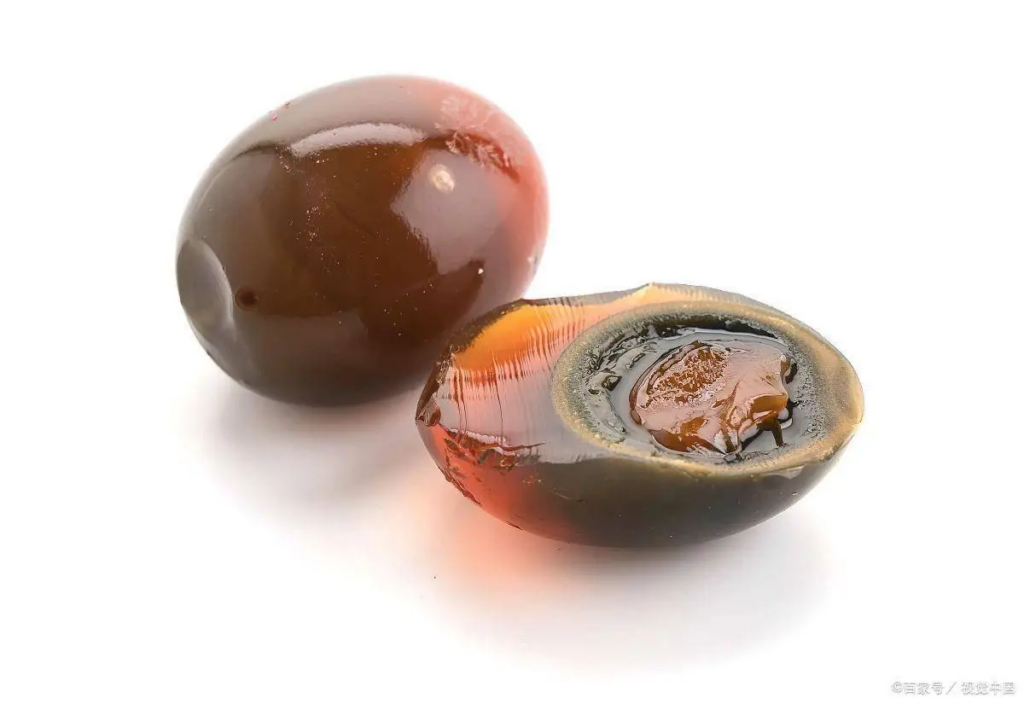
Imagine cracking open an egg and discovering:
- A dark green yolk
- A translucent black “white”
Most foreigners immediately assume the egg has spoiled.
In reality, it is perfectly edible.
Century Eggs are preserved using traditional methods involving alkaline ingredients.
Despite the name, they are not actually 100 years old.
The flavor is complex and surprisingly rich.
Many visitors are shocked by the appearance but pleasantly surprised by the taste.
5. Turtle Jelly
The Dessert That Isn’t Really a Dessert
At first glance, Turtle Jelly resembles chocolate pudding.
Then someone explains what it is.
Historically, the recipe included ingredients derived from certain turtle shells and Chinese medicinal herbs.
The result is a dark herbal jelly with a slightly bitter taste.
Locals often eat it because it is believed to help:
- Reduce body heat
- Improve balance
- Promote wellness
Many tourists take one bite expecting sweetness and receive a major surprise.
6. Beef Offal
The Street Food Locals Love
Walk through older Hong Kong neighborhoods and you’ll encounter vendors selling Beef Offal.
This typically includes:
- Stomach
- Intestines
- Lung
- Tendon
To outsiders, these parts may seem unusual.
Historically, however, they reflect an important aspect of Chinese cooking:
Waste nothing.
For centuries, people learned how to transform every edible part of an animal into delicious food.
The result is a flavorful dish deeply connected to Hong Kong’s working-class history.
7. Goose Intestines
A Texture Adventure
Many visitors have never imagined eating goose intestines.
In Cantonese cuisine, however, they are highly appreciated.
Properly prepared goose intestines are:
- Crisp
- Slightly chewy
- Rich in flavor
For experienced diners, texture is the main attraction.
For newcomers, it can be one of the most challenging foods to try.
8. Fish Balls
Hong Kong’s Most Famous Street Snack
Fish Balls may sound harmless.
And compared to Snake Soup, they are.
But Hong Kong fish balls are very different from what many foreigners expect.
Street vendors often serve them:
- On skewers
- Covered in curry sauce
- Extremely hot
They have become one of the city’s most iconic snacks.
For many locals, childhood memories include buying fish balls after school.
9. Stinky Tofu
The Food You Smell Before You See
Although more famous in Taiwan and parts of mainland China, Stinky Tofu can also be found in Hong Kong.
Its reputation comes from one thing:
The smell.
Some compare it to:
- Blue cheese
- Garbage
- Fermented vegetables
Others describe it as far worse.
Yet fans insist the flavor is much better than the aroma suggests.
Many tourists spend several days debating whether they are brave enough to try it.
10. Duck Tongue
The Tiny Snack That Confuses Everyone
Perhaps no dish generates more questions than Duck Tongue.
The first question is obvious:
Why?
The answer again lies in traditional Chinese culinary philosophy.
Historically, wasting edible food was considered undesirable.
Over centuries, cooks developed recipes using every available ingredient.
Duck Tongue became a popular snack because of its unique texture and rich flavor.
Foreign visitors often find the concept more challenging than the actual taste.
Why Chinese Cuisine Uses So Many Different Ingredients
To understand these foods, we need to understand history.
For much of China’s past, resources could be scarce.
People learned to maximize every available ingredient.
Nothing was wasted.
This philosophy produced one of the world’s most diverse culinary traditions.
Ingredients that might be discarded elsewhere became treasured delicacies.
Why Texture Matters More Than Many Foreigners Realize
One of the biggest cultural differences involves texture.
Western cuisines often prioritize:
- Flavor
- Aroma
Chinese cuisine values those too.
But texture is equally important.
Foods may be appreciated because they are:
- Crunchy
- Chewy
- Silky
- Springy
- Gelatinous
Many dishes that confuse foreigners become easier to understand when viewed through this lens.
Why Tourists End Up Loving Some of These Foods
Many visitors initially react with fear.
Then curiosity takes over.
Some dishes remain challenging.
Others become unexpected favorites.
Fish balls, beef offal, and century eggs often surprise travelers in a positive way.
Trying unusual foods can become one of the most memorable parts of visiting Hong Kong.
What These Foods Reveal About Hong Kong
Hong Kong cuisine reflects:
- Chinese traditions
- Cantonese creativity
- Practical history
- Cultural resilience
The city’s strangest foods tell stories about survival, resourcefulness, and local identity.
They may seem unusual to outsiders.
But they are deeply meaningful to those who grew up with them.
Conclusion: Strange Doesn’t Mean Bad
Food is one of the best ways to understand a culture.
What seems strange in one country may be completely normal in another.
Hong Kong’s weirdest foods challenge assumptions.
They encourage visitors to step outside their comfort zones.
And sometimes, the dishes that look the most intimidating become the most unforgettable.
So the next time you’re in Hong Kong, be adventurous.
Try the chicken feet.
Taste the century egg.
Maybe even order the snake soup.
You might discover that the world’s strangest foods are also some of its most fascinating.