


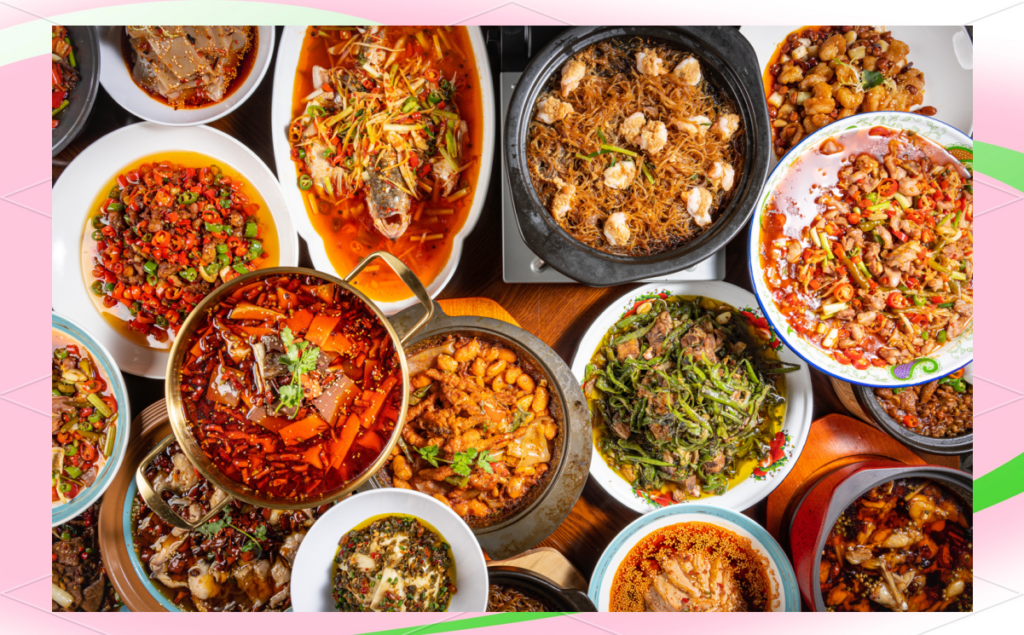
Introduction: The Chinese Cuisine That Conquered the World
Imagine taking a bite of food and experiencing something completely unexpected.
First comes the heat.
Then comes a strange tingling sensation.
Your lips begin to buzz.
Your tongue feels slightly numb.
Yet instead of wanting to stop, you immediately want another bite.
Welcome to the world of Sichuan cuisine.
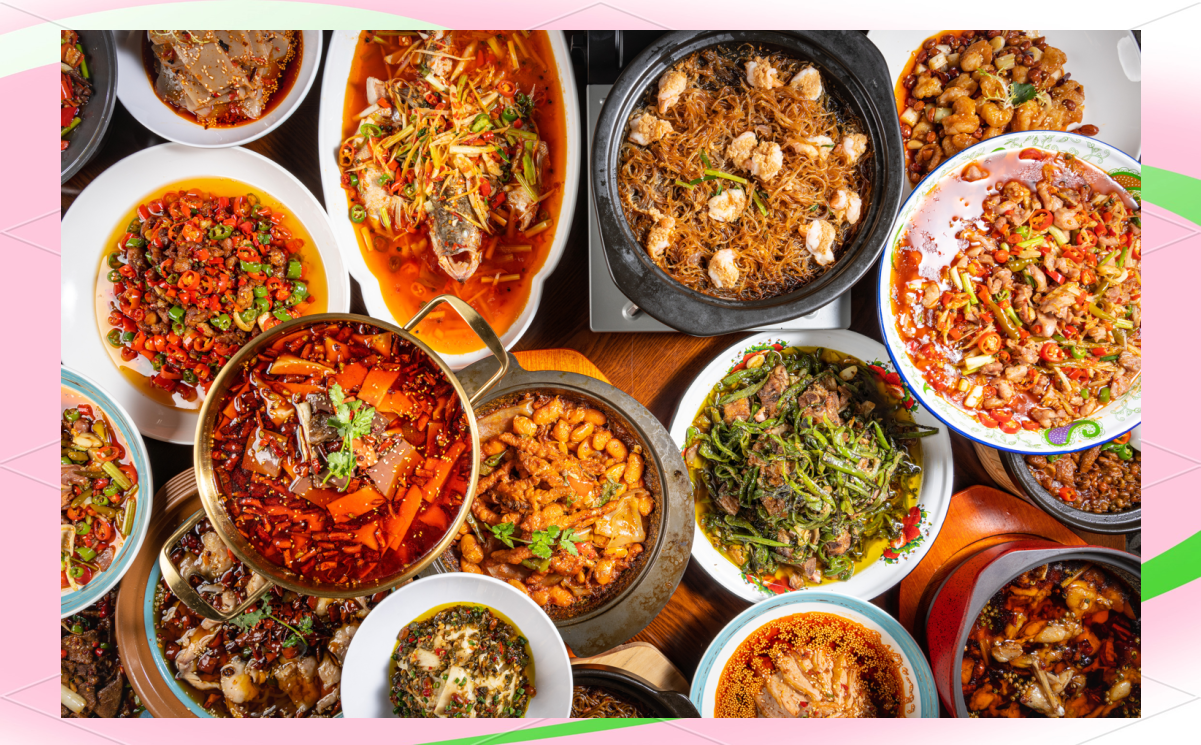
For many foreigners, Sichuan food is their first encounter with one of China’s most distinctive culinary traditions.
Dishes such as:
- Mapo Tofu
- Kung Pao Chicken
- Twice-Cooked Pork
- Sichuan Hot Pot
have become famous around the world.
But why is Sichuan food so spicy?
And why do people become almost addicted to it?
The answer involves geography, history, chemistry, and thousands of years of culinary innovation.
The Province That Loves Heat
The story begins in:
Sichuan
Located in southwestern China, Sichuan is home to more than 80 million people.
The region is famous for:
- Mountains
- Pandas
- Ancient civilizations
- Extraordinary food
Across China, people often joke that Sichuan residents can eat food so spicy that outsiders cannot survive a single meal.
While exaggerated, the stereotype exists for a reason.
Spicy food is deeply woven into everyday life.
The First Surprise: Sichuan Food Isn’t Just About Chili Peppers
Many foreigners assume Sichuan cuisine is simply “very hot.”
That is only partially true.
What makes Sichuan food unique is not just heat.
It is a sensation known as:
Mala (麻辣)
This word combines two Chinese characters:
Ma (麻)
Numbing
La (辣)
Spicy
Together, they create a flavor experience unlike almost anything found elsewhere.
The Secret Ingredient: Sichuan Peppercorn
The star of Sichuan cuisine is not actually the chili pepper.
It is:
Sichuan Peppercorn (花椒)
Despite the name, it is not related to black pepper.
It comes from a completely different plant.
When eaten, Sichuan peppercorn creates a remarkable sensation.
Many people describe it as:
- Tingling
- Buzzing
- Electric
- Slightly numbing
For first-time visitors, the experience can be startling.
Why Your Mouth Feels Numb
Scientists have studied the chemistry behind Sichuan peppercorn.
The key compound is:
Hydroxy-alpha-sanshool
This chemical stimulates nerve receptors in the mouth.
The brain interprets the sensation as vibration or tingling.
In other words:
Your food is not actually numbing your mouth.
It is creating a neurological illusion.
This unusual effect contributes greatly to Sichuan cuisine’s popularity.
The Addictive Effect of Mala
Why do people keep coming back?
Part of the answer lies in how the body responds.
Spicy foods trigger pain receptors.
The brain reacts by releasing:
- Endorphins
- Dopamine
These chemicals can produce feelings of pleasure and excitement.
The combination of heat and numbing creates a sensory experience that many people find intensely satisfying.
Why Did Sichuan Become So Spicy?
One common theory links Sichuan’s cuisine to climate.
Historically, much of the region experienced:
- Humid weather
- Foggy conditions
- Long damp seasons
Traditional Chinese medicine associated spicy foods with warming the body and improving circulation.
Whether scientifically accurate or not, spicy ingredients became deeply integrated into local food culture.
Over generations, people developed a taste for increasingly bold flavors.
The Arrival of Chili Peppers
Here’s a surprising fact:
Ancient Chinese cuisine did not originally contain chili peppers.
Chilies arrived from the Americas after the Columbian Exchange.
This means that before the 16th century, Sichuan food looked very different.
When chili peppers reached China, local cooks quickly embraced them.
The combination of chili peppers and Sichuan peppercorns created the foundation of modern Sichuan cuisine.
It was one of the most successful culinary marriages in history.
The Birth of Mala
The fusion of chili heat and peppercorn numbness produced something unique.
Not merely spicy.
Not merely aromatic.
But a completely new sensory category.
Mala transformed Sichuan cooking.
Today it appears in:
- Hot pot
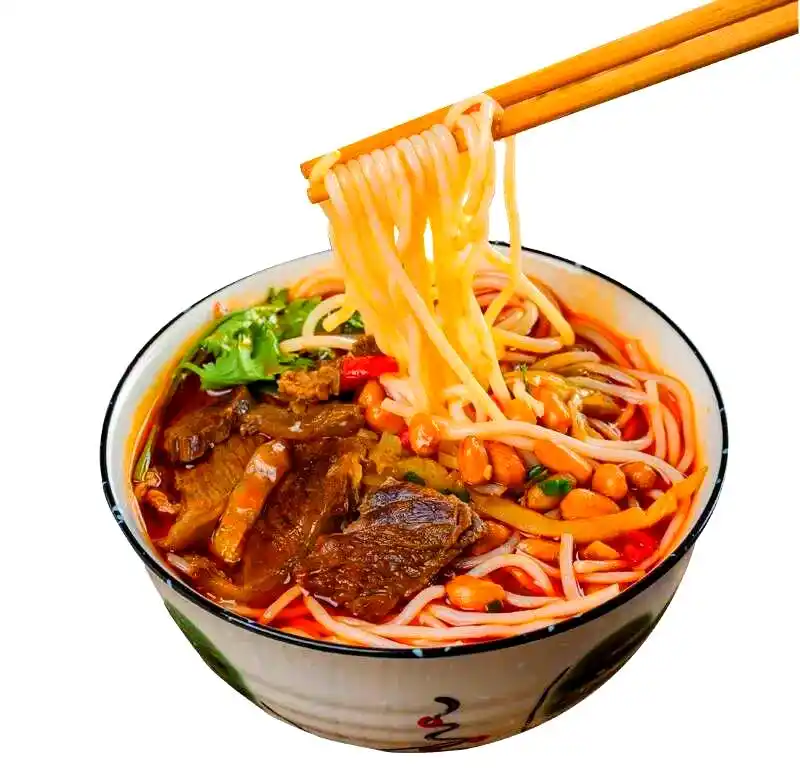
- Noodles
- Stir-fries
- Street food
- Snacks
The flavor has become one of China’s greatest culinary exports.
Hot Pot: The Ultimate Sichuan Experience
If one dish defines Sichuan cuisine, it is:
Hot Pot.
A simmering pot of spicy broth sits in the center of the table.
Diners cook ingredients themselves.
Common choices include:
- Beef
- Lamb
- Mushrooms
- Tofu
- Vegetables
The broth often contains:
- Chili peppers
- Sichuan peppercorns
- Garlic
- Ginger
- Aromatic spices
For many visitors, eating authentic Sichuan hot pot becomes a memorable challenge.
Mapo Tofu: The Dish That Introduced the World to Sichuan
Perhaps no Sichuan dish is more famous internationally than:
Mapo Tofu
The dish combines:
- Soft tofu
- Minced meat
- Chili oil
- Sichuan peppercorn
The result perfectly demonstrates the balance of heat, numbness, aroma, and texture that defines the cuisine.
Many chefs consider it one of China’s greatest culinary achievements.
The Eight Flavors of Sichuan Cuisine
Another misconception is that Sichuan food tastes only spicy.
In reality, traditional chefs emphasize balance.
Classic flavor profiles include:
- Spicy
- Sweet
- Sour
- Savory
- Smoky
- Aromatic
- Numbing
- Fermented
Great Sichuan cooking combines multiple dimensions simultaneously.
This complexity helps explain its global appeal.
Why Chengdu Is a Food Paradise
No discussion of Sichuan cuisine is complete without:
Chengdu
Often considered one of China’s greatest food cities, Chengdu is famous for:
- Street food
- Tea houses
- Hot pot restaurants
- Traditional snacks
Many travelers visit specifically for the food.
In fact, Chengdu has earned international recognition as a major culinary destination.
For food lovers, it is often considered a must-visit city.
The Role of Fermented Ingredients
Many Sichuan dishes derive depth from fermented products.
One of the most important is:
Doubanjiang (豆瓣酱)
a fermented broad bean and chili paste.
Often called the “soul of Sichuan cuisine,” it contributes:
- Umami
- Complexity
- Richness
Without it, many classic dishes would lose their distinctive character.
Why Foreigners Fall in Love with Sichuan Food
Part of the attraction comes from surprise.
Most people have never experienced anything like mala.
The cuisine engages multiple senses simultaneously.
Every bite offers:
- Heat
- Aroma
- Texture
- Tingling sensations
This complexity makes Sichuan food exciting.
Even experienced food lovers frequently discover new flavors.
The Global Rise of Sichuan Cuisine
Over the past few decades, Sichuan restaurants have spread worldwide.
Today they can be found in:
- London
- New York
- Sydney
- Vancouver
- Singapore
International chefs increasingly regard Sichuan cuisine as one of the world’s great culinary traditions.
What was once a regional Chinese cuisine has become a global phenomenon.
More Than Just Food
Sichuan cuisine reflects the character of the region itself.
It is:
- Bold
- Creative
- Energetic
- Unforgettable
Just as the province produced remarkable engineering projects, ancient civilizations, and giant pandas, it also created one of humanity’s most distinctive food cultures.
Conclusion: The Flavor That Changed Chinese Food Forever
Sichuan cuisine is far more than a collection of spicy dishes.
It represents centuries of innovation, adaptation, and culinary artistry.
Its signature mala sensation transformed how people think about flavor.
Its iconic dishes have traveled around the world.
And its influence continues to grow.
For many visitors, Sichuan food begins as a challenge.
But after the first tingling bite, it often becomes an obsession.
Perhaps that’s the true secret of Sichuan cuisine:
It doesn’t just feed you.
It rewires the way you experience food.
And once you’ve tasted authentic mala, ordinary spicy food may never feel quite the same again.