




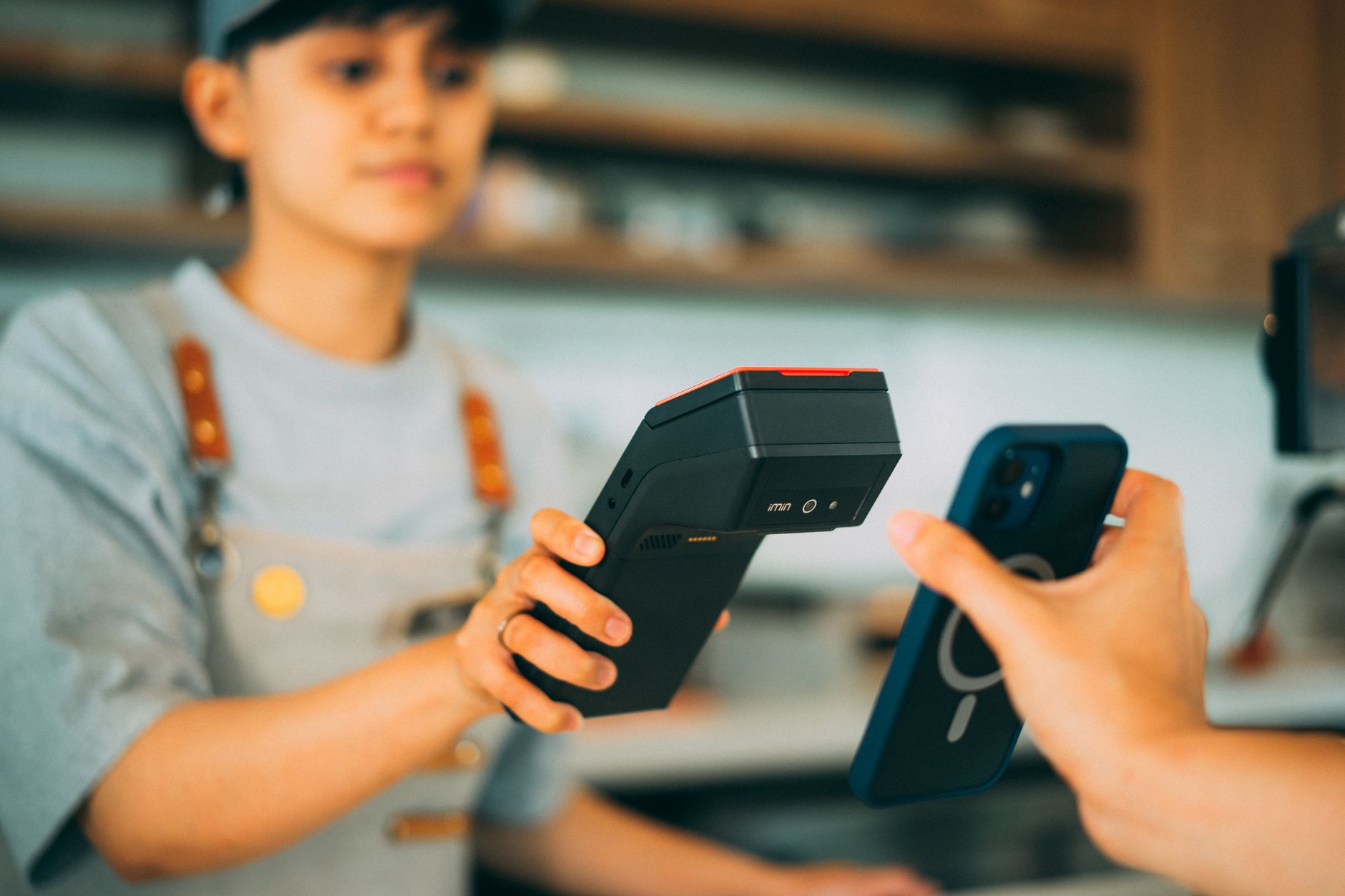

One of the first things that surprises many foreign visitors in China is how people pay for almost everything using their phones.
Whether it is buying food at a street stall, taking a taxi, or even paying for vegetables at a small market, QR code payments are everywhere.
Cash is rarely used in daily life, and even credit cards are not as common as mobile payment apps.
So why has China become such a heavily cashless society?
The Rise of Mobile Payments
Over the past decade, China’s payment system has changed dramatically.
Instead of cash or cards, most people now use two main apps:
- WeChat Pay
- Alipay
These platforms allow users to link their bank accounts and pay instantly by scanning a QR code.
This system quickly spread across the country, from big cities to small towns.
How QR Code Payments Work
The process is very simple:
- A seller displays a QR code
- The buyer scans it using their phone
- The amount is entered or confirmed
- The payment is completed instantly
In many cases, the entire transaction takes only a few seconds.
There is no need for cash change, receipts, or card machines.
Why QR Payments Became So Popular
Several factors explain the rapid adoption of mobile payments in China.
1. Convenience
People can pay with a single phone.
2. Speed
Transactions are completed almost instantly.
3. Low cost for businesses
Small vendors do not need expensive card machines.
4. Early mobile internet adoption
China skipped a lot of traditional banking infrastructure and moved directly to mobile-first systems.
How It Changed Daily Life
Mobile payments have changed the way people interact with money.
Today in China, you can:
- Buy street food with a scan
- Pay rent through apps
- Split bills instantly with friends
- Pay utility bills online
- Even donate or tip digitally
Money has become something that exists mainly inside smartphones.
What About Cash?
Cash is still legal and accepted, but it is used much less frequently.
In big cities, some people may go days or even weeks without using cash at all.
However, in rural areas or among elderly populations, cash is still more common.
Why Foreigners Find It Surprising
Many visitors are impressed by how universal QR payments are.
Common reactions include:
- “Even street vendors accept mobile payments”
- “I didn’t need cash at all during my trip”
- “Everything is done through one app”
In many countries, mobile payment exists but is not as dominant or integrated into daily life.
The Role of Super Apps
One reason China’s system works so well is the dominance of super apps like WeChat.
Instead of using separate apps for messaging, banking, and shopping, people can do everything inside one ecosystem.
This integration makes payments feel completely natural in everyday communication.
Is China a Cashless Society?
China is often described as one of the most cashless societies in the world.
However, it is not completely cashless.
Rather, it is a hybrid system where:
- Mobile payments dominate urban life
- Cash still exists but is less common
- Digital systems are deeply integrated into daily routines
Final Thoughts
QR code payments are more than just a technology trend in China.
They represent a fundamental shift in how people interact with money, businesses, and daily transactions.
For many foreigners, it is one of the most noticeable differences when visiting China for the first time.
What looks unusual at first quickly becomes normal once you experience how fast and convenient it is.
In China today, paying with a phone is not the future—it is already everyday life.