



Every culture has wedding traditions, but Chinese weddings are particularly rich in symbolism and superstition.
For thousands of years, Chinese families have believed that certain actions, dates, numbers, and objects can influence a couple’s future happiness and prosperity. As a result, many traditional weddings include a long list of customs and taboos designed to bring good fortune while avoiding bad luck.
Although younger generations may not follow every rule today, many of these beliefs remain an important part of Chinese wedding culture.
Here are 15 traditional Chinese wedding taboos and the stories behind them.
1. Avoid Getting Married During the Ghost Month
One of the most widely known wedding taboos involves the seventh month of the traditional lunar calendar.
According to Chinese folklore, this period is often called the Ghost Month, when spirits are believed to roam the human world.
Because marriage is considered a joyful occasion, many families avoid scheduling weddings during this time.
Even today, some couples postpone ceremonies rather than marry during Ghost Month.
2. Never Choose an Unlucky Wedding Date
In traditional Chinese culture, selecting a wedding date is extremely important.
Many families consult:
- Lunar calendars
- Fortune tellers
- Feng Shui masters
Certain dates are believed to bring prosperity, while others are thought to increase the risk of marital conflict.
The belief is that a good marriage should begin on an auspicious day.
3. Avoid the Number Four
The number four is often avoided in Chinese culture because its pronunciation resembles the word for “death” in several Chinese dialects.
For weddings, families may avoid:
- Table numbers
- Room numbers
- Gift amounts
Instead, lucky numbers such as 6, 8, and 9 are preferred.
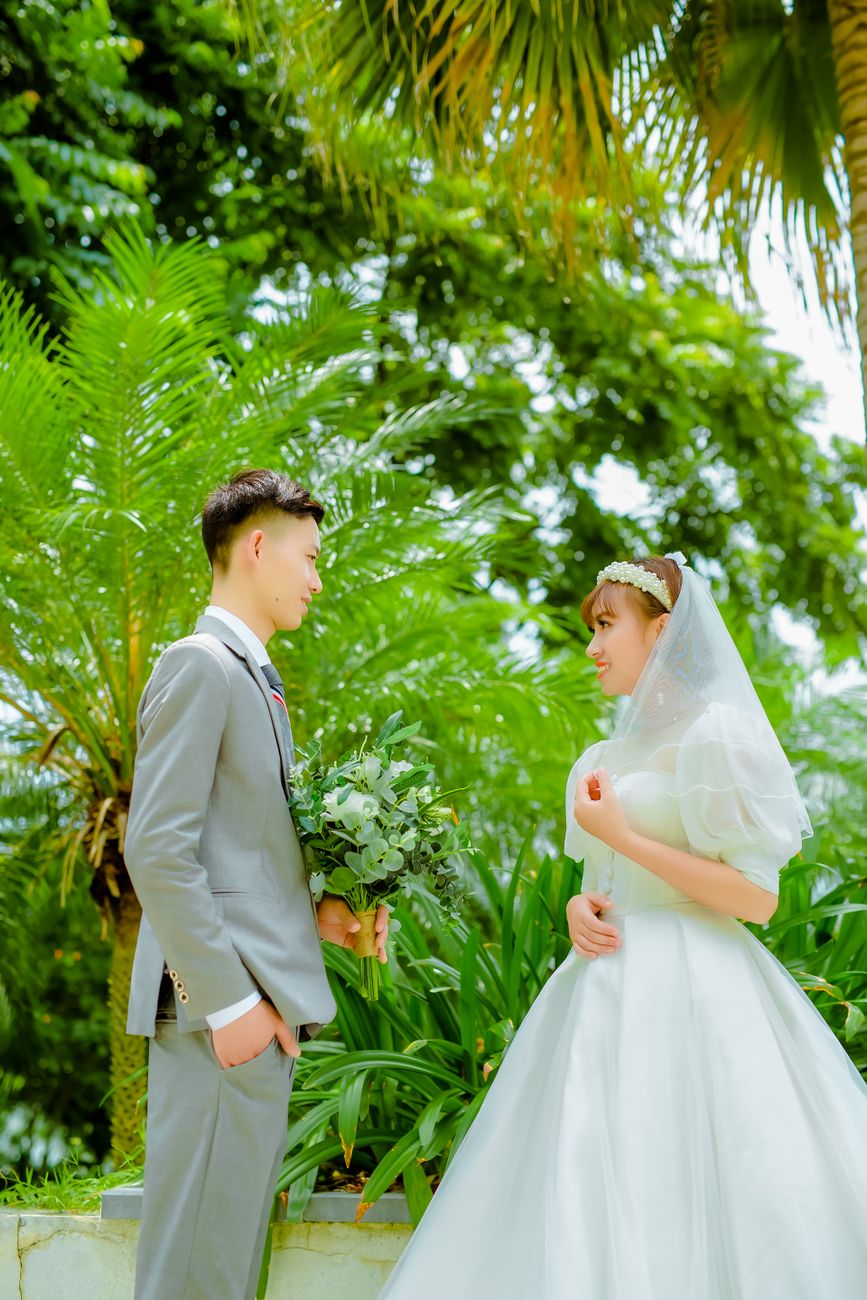
4. Do Not Wear White as the Main Traditional Wedding Color
Historically, white was associated with funerals and mourning.
For centuries, Chinese brides traditionally wore red because it symbolized:
- Happiness
- Prosperity
- Good luck
Although modern brides often wear white gowns influenced by Western fashion, red remains an essential wedding color.
5. Mirrors Should Not Face the Wedding Bed
Traditional Feng Shui beliefs suggest that mirrors reflecting a bed can disturb harmony and attract negative energy.
For newlyweds, this is believed to affect marital happiness.
As a result, some families cover mirrors or reposition them before the wedding night.
6. Pregnant Women Traditionally Avoid Bridal Rooms
In some regions, pregnant women were discouraged from entering the bridal chamber before the wedding.
The belief stemmed from concerns about conflicting fortunes.
While this custom is becoming less common, it still survives in certain traditional communities.
7. The Bride Should Not Return to Her Parents’ Home Immediately
In some parts of China, tradition holds that the bride should not return to her parents’ home during the first few days after marriage.
Doing so was once believed to suggest dissatisfaction with the marriage.
Modern families rarely take this literally, but the custom remains well known.
8. Broken Wedding Items Are Considered Unlucky
Breaking objects during wedding preparations is traditionally viewed as a bad omen.
Examples include:
- Tea cups
- Bowls
- Decorations
- Mirrors
Families often handle wedding items carefully to avoid accidental breakage.
9. Avoid Negative Words on the Wedding Day
Traditional Chinese weddings place great emphasis on positive language.
Words associated with:
- Illness
- Death
- Separation
- Financial loss
are generally avoided.
Instead, guests are encouraged to use expressions related to happiness and prosperity.
10. Do Not Lend Wedding Jewelry
Wedding jewelry is considered highly personal and symbolic.
Some traditions discourage lending bridal jewelry because good fortune is believed to be tied to the individual wearer.
11. The Groom Should Not See the Bride Before Certain Rituals
Historically, arranged marriages often meant the bride and groom met only briefly before the wedding.
Various customs developed to limit interaction before formal ceremonies.
Although modern couples usually know each other well, remnants of these traditions survive in wedding games and rituals.
12. Crying During the Wedding Can Have Different Meanings
In many cultures, tears are associated with sadness.
However, some Chinese traditions interpret wedding tears differently.
For example, among certain ethnic groups, ceremonial crying can symbolize gratitude toward parents and family.
Context matters greatly.
13. Newlyweds Should Avoid Attending Funerals Immediately After Marriage
Traditional beliefs hold that weddings represent joyful energy, while funerals represent mourning.
Attending a funeral shortly after a wedding was once thought to create an unfavorable balance.
Some families still observe this custom.
14. The Wedding Bed Must Be Prepared Carefully
The wedding bed plays a symbolic role in many Chinese marriage traditions.
Families often decorate it with:
- Red bedding
- Red dates
- Peanuts
- Lotus seeds
- Longans
These items symbolize fertility, family prosperity, and future children.
Children may also be invited to sit on the bed before the wedding to symbolize a large future family.
15. Avoid Wearing Old Shoes During the Wedding
Some traditions suggest that brides should wear new shoes on their wedding day.
New shoes symbolize:
- A fresh start
- New opportunities
- A successful future
Old or damaged shoes are thought to carry negative associations from the past.
Why Do These Wedding Taboos Exist?
Most Chinese wedding taboos developed from three major influences:
Traditional Folk Beliefs
Ancient communities often created customs to explain uncertainty and reduce anxiety about important life events.
Feng Shui Principles
Many taboos reflect ideas about balance, harmony, and positive energy.
Family Values
Some customs reinforce respect for parents, elders, and social relationships.
Even when people no longer believe literally in bad luck, these traditions remain part of cultural heritage.
Do Modern Chinese Couples Still Follow These Customs?
The answer depends on the family.
Some couples follow nearly every traditional rule.
Others treat them as cultural symbols rather than strict requirements.
In large cities such as Beijing, Shanghai, Guangzhou, and Shenzhen, modern weddings often combine:
- Western wedding traditions
- Chinese customs
- Personal preferences
However, even highly modern couples may still choose an auspicious date, wear red clothing, or participate in a tea ceremony.
The Continuing Importance of Symbolism
Whether people believe in superstition or not, wedding customs serve an important social purpose.
They connect families with:
- History
- Tradition
- Community
- Cultural identity
Many taboos are less about fear of bad luck and more about expressing hopes for a happy future.
Final Thoughts
Chinese wedding taboos offer a fascinating glimpse into the country’s rich cultural history.
From avoiding unlucky dates to decorating wedding beds with symbolic foods, each custom reflects centuries of beliefs about family, prosperity, and harmony.
While modern Chinese weddings continue to evolve, these traditions remain a colorful reminder of the values and symbolism that have shaped marriage in China for generations.
For visitors attending a Chinese wedding, understanding these customs can provide a deeper appreciation of one of the world’s oldest and most enduring wedding cultures.