



China is one of the world’s oldest continuous civilizations, with a history stretching back thousands of years.
Across its vast territory, generations have developed unique customs, beliefs, and rituals that continue to influence everyday life. Some of these traditions are familiar to outsiders, while others may seem surprising, mysterious, or even strange.
From avoiding certain numbers to hanging red decorations for good luck, Chinese folk customs reveal how history, superstition, and cultural values have shaped society for centuries.
Here are fifteen fascinating Chinese folk customs that are still practiced today.
1. Avoiding the Number Four
One of the most famous Chinese superstitions involves the number four.
In Mandarin Chinese, the pronunciation of “four” sounds similar to the word for “death.”
As a result:
- Buildings may skip the fourth floor.
- Apartment numbers containing four may be less desirable.
- Important events often avoid the number.
By contrast, the number eight is considered extremely lucky.
2. Hanging Red Decorations for Good Luck
Red is associated with:
- Happiness
- Prosperity
- Success
Many Chinese families decorate homes with:
- Red lanterns
- Red couplets
- Red paper cuttings
especially during major festivals.
3. Never Stick Chopsticks Upright in Rice
Placing chopsticks vertically into a bowl of rice resembles incense offered to the dead during funerals.
Because of this association, many people consider it bad luck.
Children throughout China are often taught this rule from a young age.
4. Sweeping the Floor on New Year’s Day
Many families avoid sweeping on the first day of Lunar New Year.
The belief is that sweeping could remove good fortune that has just arrived for the new year.
Some households complete all cleaning before the festival begins.
5. Opening Doors and Windows During the New Year
In some regions, doors and windows are opened at midnight to welcome new fortune into the home.
The practice symbolizes a fresh beginning and positive energy.
6. Eating Fish for Good Luck
Fish is a traditional festival dish because the Chinese word for fish sounds similar to the word for surplus or abundance.
Many families intentionally leave some fish uneaten.
The symbolism suggests having more than enough in the coming year.
7. Wearing Red During Zodiac Birth Years
When a person’s zodiac animal year returns every twelve years, many believe they may encounter challenges or bad luck.
To counter this, people often wear:
- Red bracelets
- Red socks
- Red belts
throughout the year.
8. Burning Incense for Ancestors
Many families burn incense during festivals and memorial occasions.
The practice symbolizes:
- Respect
- Gratitude
- Remembrance
Ancestor veneration remains one of the most enduring traditions in Chinese culture.
9. The Kitchen God Tradition
Before Lunar New Year, some families honor the Kitchen God, a household deity believed to report family behavior to heaven.
Traditionally, sweet foods were offered to ensure a favorable report.
Although less common today, the custom survives in some regions.
10. Avoiding Haircuts During the First Lunar Month
In parts of northern China, a traditional saying warns against cutting hair during the first lunar month.
While many people no longer believe the superstition literally, the custom remains well known.
11. Flying Kites During Qingming Festival
During Qingming Festival, people often fly kites as part of spring celebrations.
Some traditions suggest releasing the kite can symbolically carry away bad luck and misfortune.
12. Sleeping Together During Winter Festivals
In some rural communities, children and grandparents traditionally shared heated beds known as kangs during winter.
The custom reflected both practical needs and family closeness.
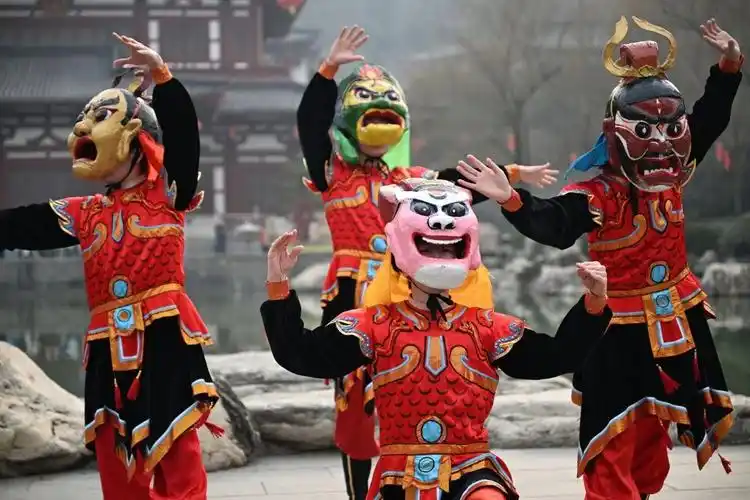
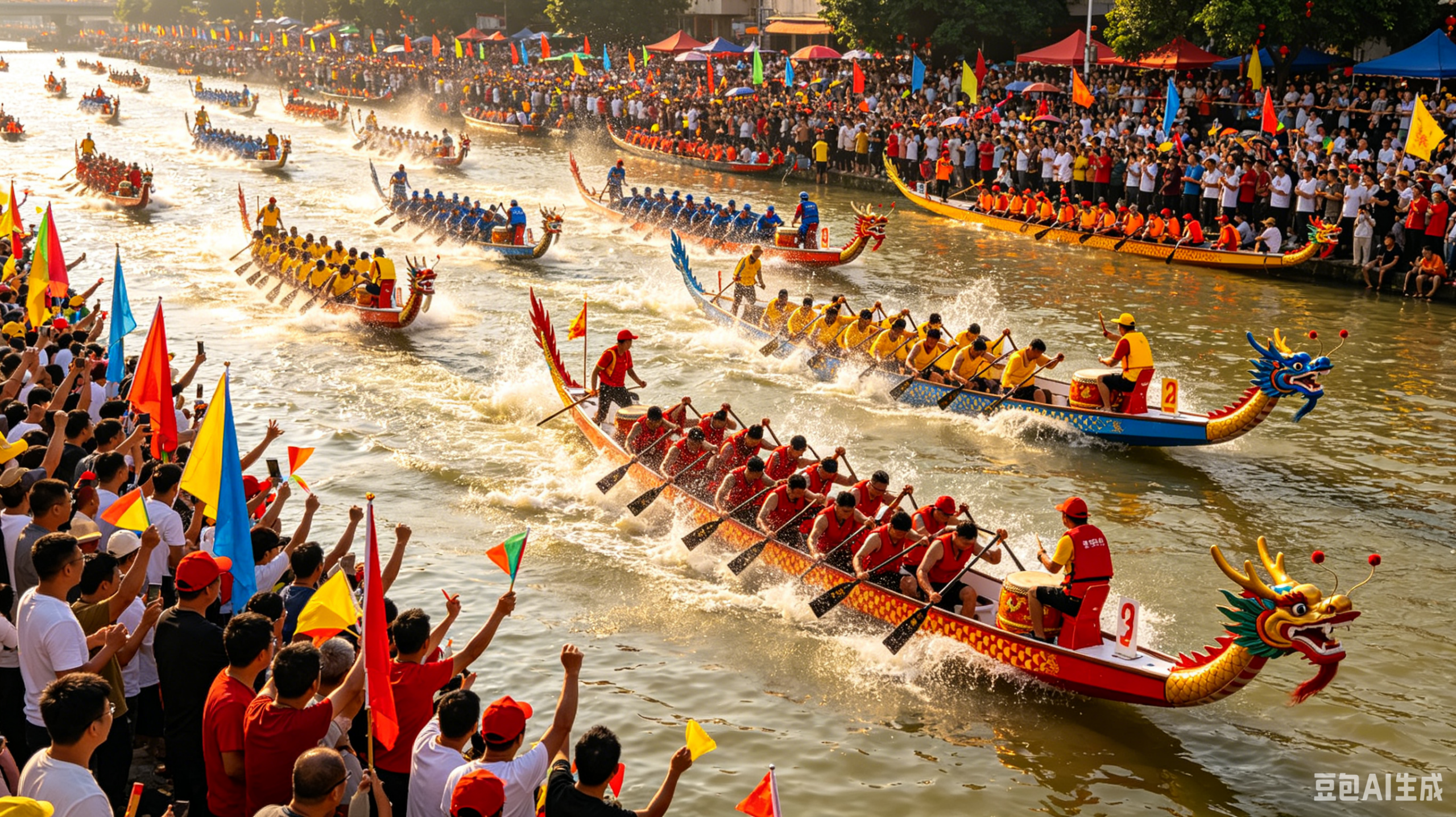
13. The Dragon Dance
Dragon dances remain a popular feature of festivals throughout China.
The dragon symbolizes:
- Power
- Prosperity
- Good fortune
Communities believe performances help attract blessings and drive away negative influences.
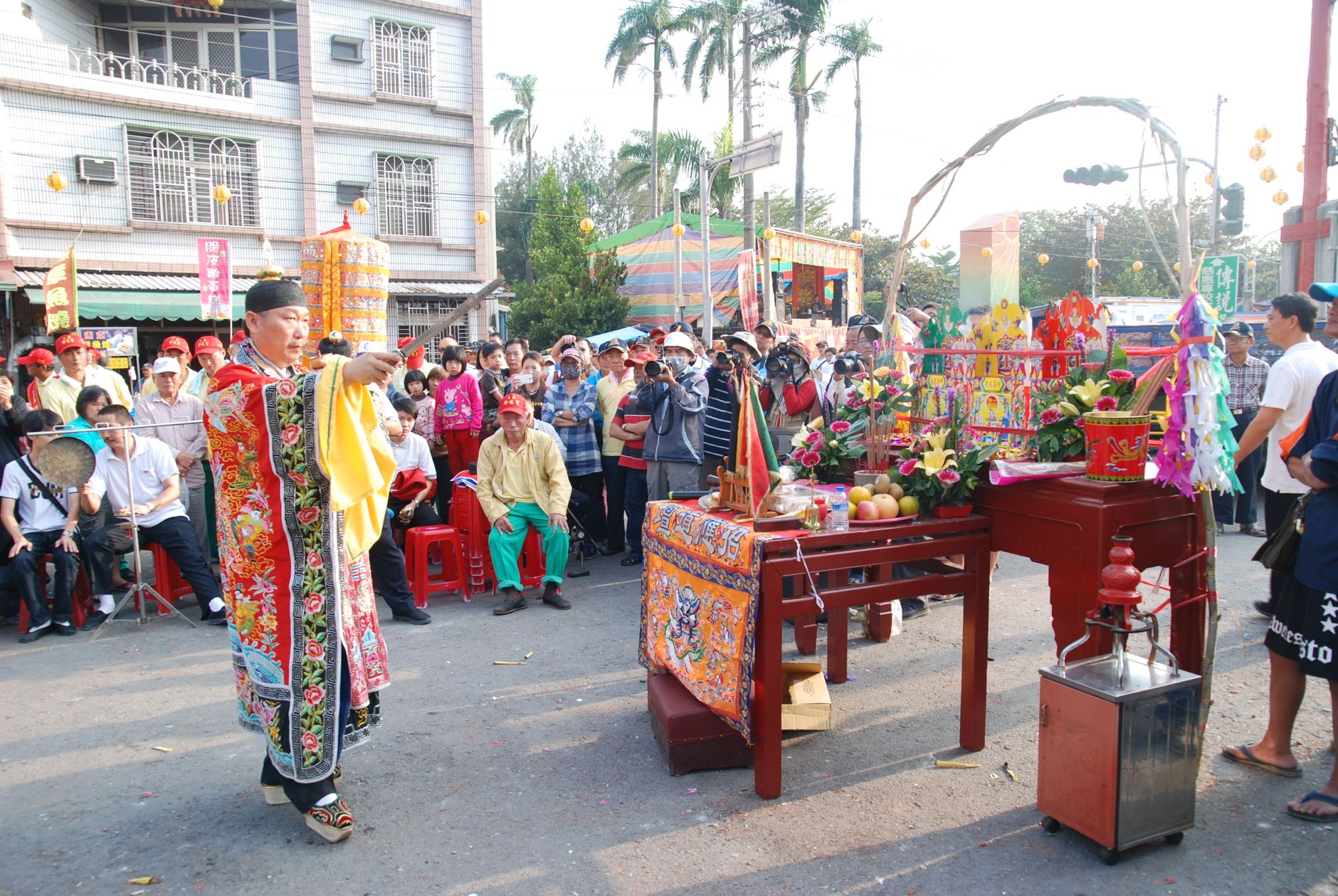
14. Temple Fairs
Temple fairs are traditional gatherings combining:
- Religious observances
- Folk performances
- Street food
- Markets
Many continue to attract large crowds during major holidays.
15. Lucky Words and Unlucky Words
Language itself plays an important role in Chinese folk culture.
Many people avoid words associated with:
- Death
- Illness
- Separation
while favoring expressions related to:
- Wealth
- Happiness
- Success
This belief explains many customs surrounding festivals and celebrations.
Why Folk Customs Remain Important
China has become one of the most modern countries in the world, yet traditional customs continue to influence daily life.
These traditions help preserve:
- Family values
- Community identity
- Historical memory
- Cultural continuity
Even people who do not fully believe in superstition often continue observing customs out of respect for tradition.
Regional Differences Across China
One of the most fascinating aspects of Chinese folk culture is its diversity.
A custom common in:
- Guangdong
- Fujian
- Zhejiang
may be completely unknown in:
- Gansu
- Xinjiang
- Heilongjiang
China’s enormous size has allowed thousands of local traditions to develop over centuries.
Final Thoughts
Chinese folk customs offer a unique window into the beliefs and values that have shaped Chinese society for generations.
Whether it is avoiding the number four, hanging red decorations, honoring ancestors, or celebrating with dragon dances, these traditions reveal how deeply history and symbolism remain woven into everyday life.
For visitors seeking to understand China beyond its cities and landmarks, folk customs provide some of the most fascinating and memorable insights into Chinese culture.