


I. Introduction
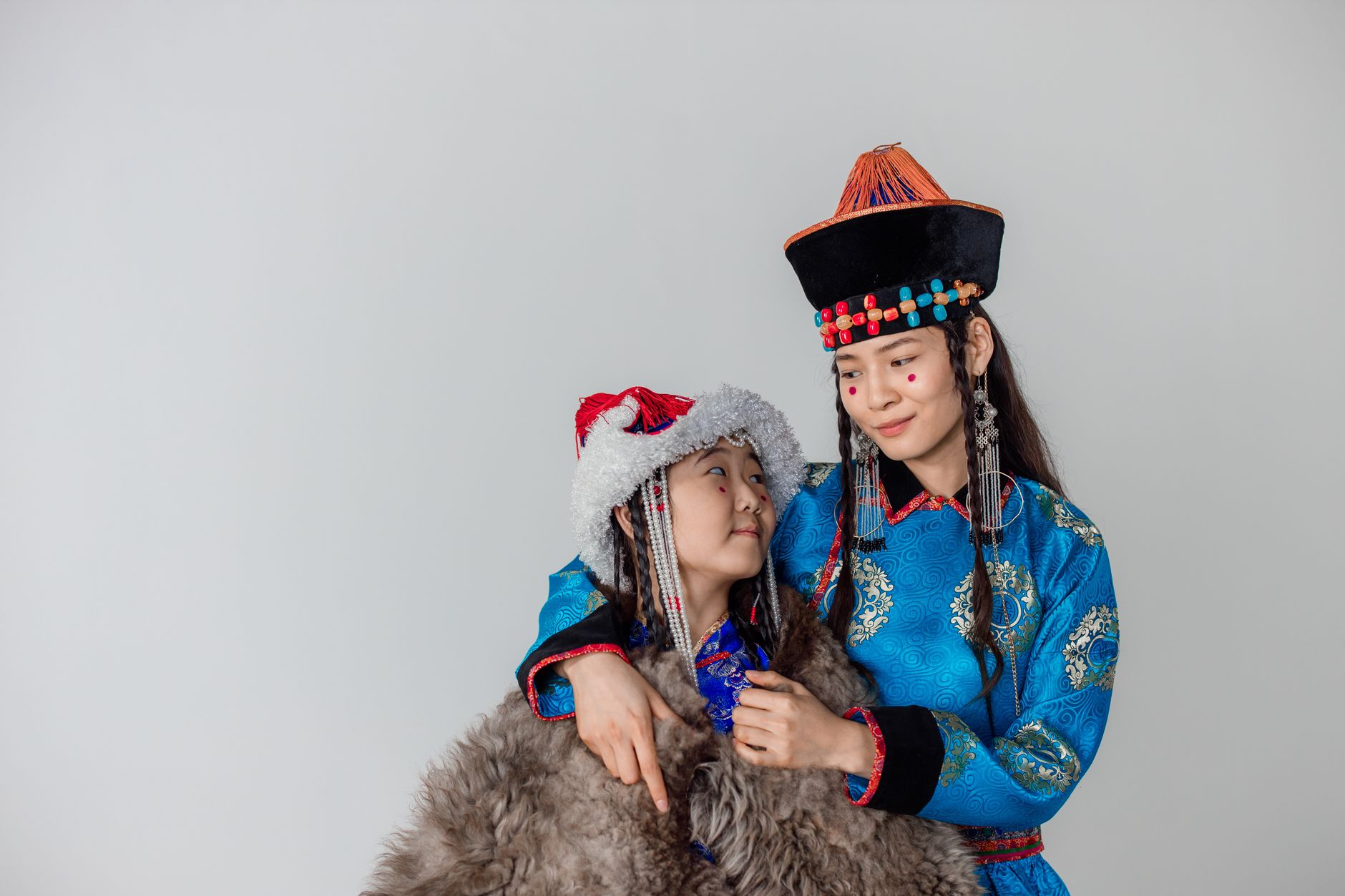
The distribution of the Mongol ethnic group across different regions has always been an interesting topic. It is a fact that more Mongols reside within the territory of China than in the independent country of Mongolia. This phenomenon is the result of a complex interplay of historical, political, social, and economic factors.
II. Historical Factors
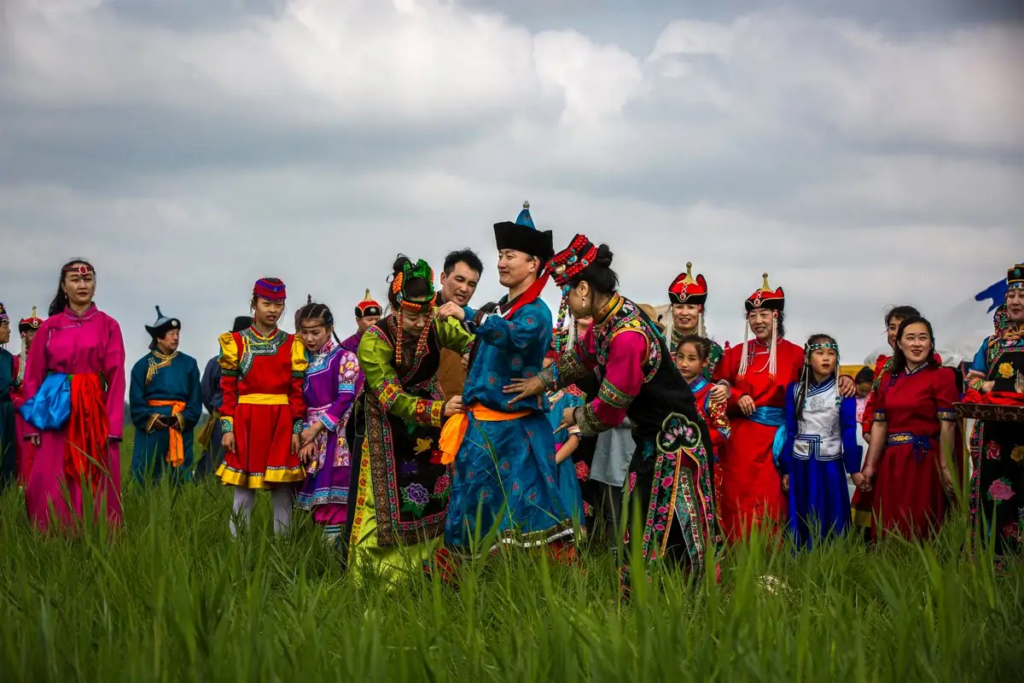
- Expansion and Integration in Chinese HistoryDuring the Yuan Dynasty, established by the Mongols under Genghis Khan’s descendants, a vast empire was created that included a large part of present – day China. After the decline of the Yuan Dynasty, many Mongols remained in the regions that are now part of China. Over time, through processes of inter – marriage, cultural exchange, and adaptation, they became an integral part of the multi – ethnic fabric of China. For example, in Inner Mongolia, which has a long – standing Mongol population, the Mongols have co – existed with other ethnic groups like Han Chinese for centuries, and their cultures have influenced and blended with each other.
- Treaties and Border ChangesHistorical treaties and border demarcations also played a role. The Qing Dynasty had a significant influence on the territorial management of Mongol – inhabited areas. The Manchu rulers of the Qing Dynasty implemented various policies to incorporate Mongol regions into their empire. These policies led to a more stable and integrated Mongol population within the Qing territory, which later became part of modern – day China.
III. Political Factors
- Modern Chinese Policy of Ethnic Equality and AutonomyIn modern China, the government has implemented policies that promote ethnic equality, unity, and regional autonomy. Inner Mongolia Autonomous Region was established, providing a high degree of self – governance for the Mongol people. This has created a favorable environment for the Mongols to preserve their culture, language, and traditions while also enjoying the benefits of national development. The Chinese government has invested in infrastructure, education, and economic development in Inner Mongolia, which has attracted and retained the Mongol population.
- Stability and Governance in ChinaChina’s stable political environment has been conducive to the growth and development of all ethnic groups, including the Mongols. In contrast, Mongolia, after gaining independence, has faced various political transitions and challenges. These changes sometimes led to periods of instability, which might have influenced the population distribution.
IV. Social and Economic Factors
- Economic Opportunities in ChinaChina’s rapid economic development, especially in recent decades, has provided abundant economic opportunities. In Inner Mongolia, there has been significant growth in industries such as mining, agriculture, and tourism. The Mongols in Inner Mongolia have been able to participate in these economic activities, improving their living standards. In comparison, Mongolia’s economy, which is largely dependent on mining and livestock herding, has faced fluctuations due to global market conditions. This economic disparity has led some Mongols in Mongolia to seek better economic prospects in China.
- Social Welfare and Development in ChinaChina has made remarkable progress in social welfare, including education, healthcare, and housing. In Inner Mongolia, the Mongol people have access to high – quality educational institutions, both in Mongolian and Chinese languages. This has not only enhanced the overall quality of the Mongol population but also attracted Mongols from other regions. The government – sponsored poverty alleviation programs have also improved the living conditions of many Mongol families in China.
V. Conclusion
In conclusion, the fact that more Mongols live in China than in Mongolia is due to a combination of historical, political, social, and economic factors. China’s long – standing history of integration, its modern – day policies of ethnic equality and regional autonomy, and its strong economic and social development have all contributed to creating a favorable environment for the Mongol people to thrive and maintain their cultural identity within the country.