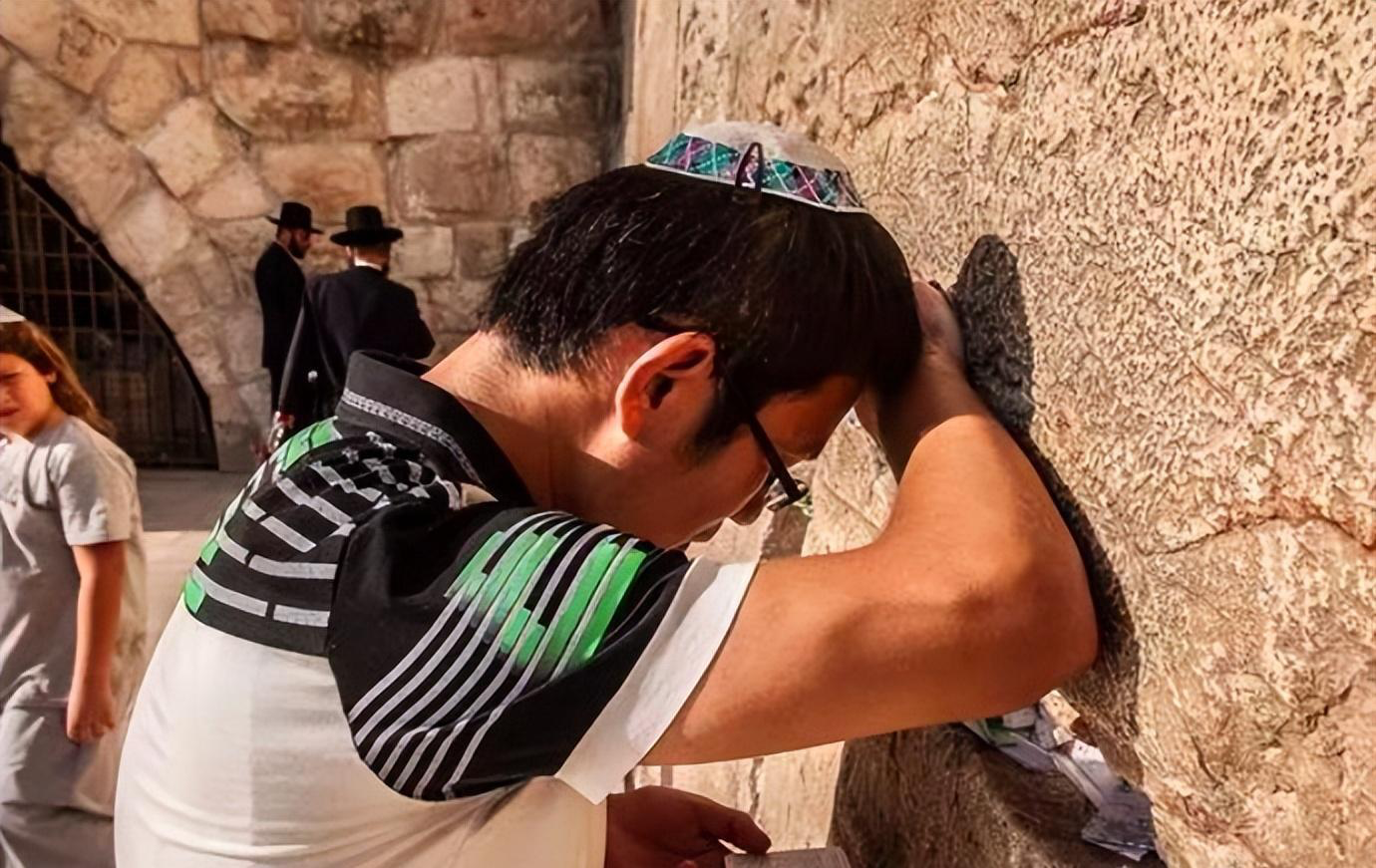



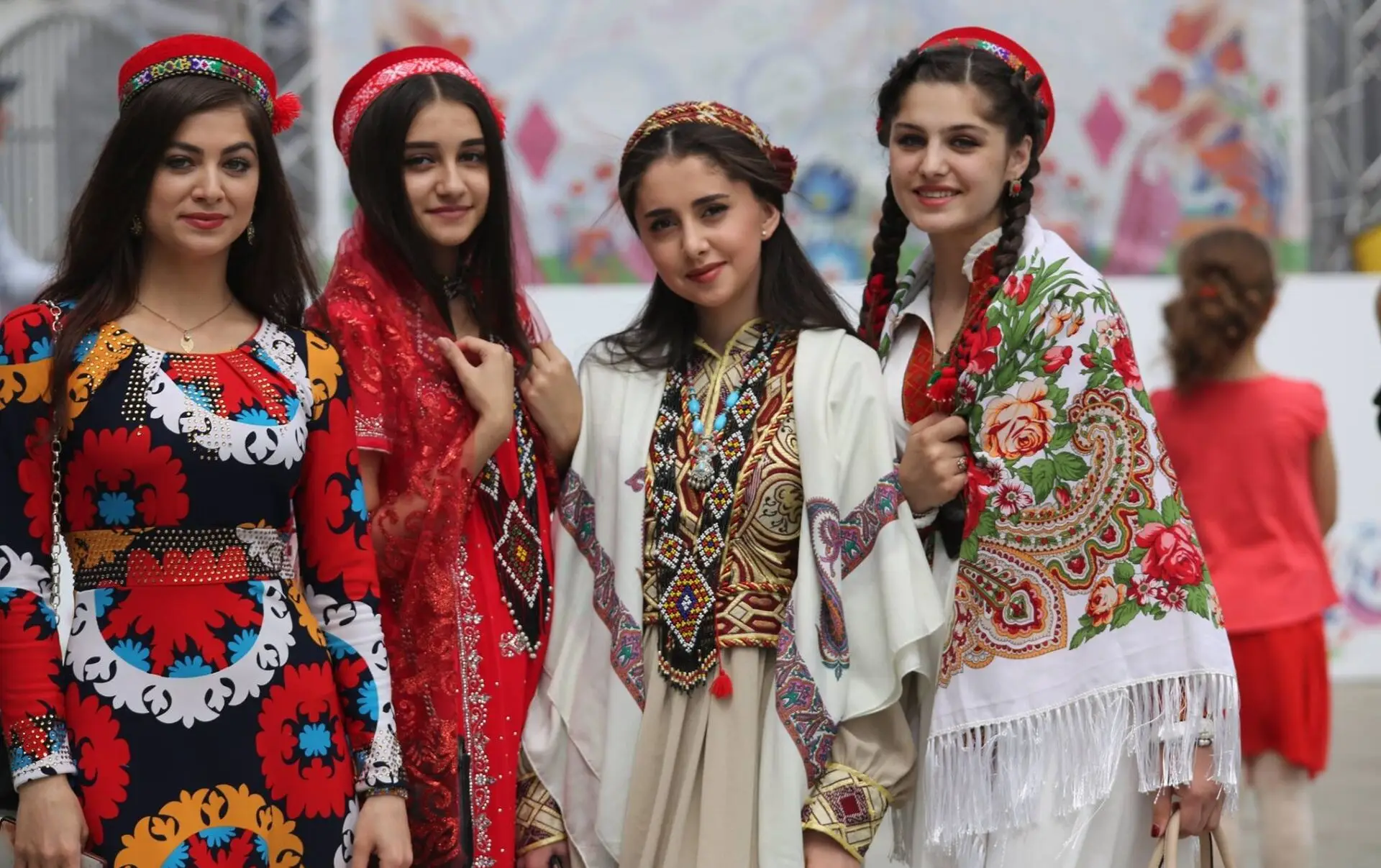
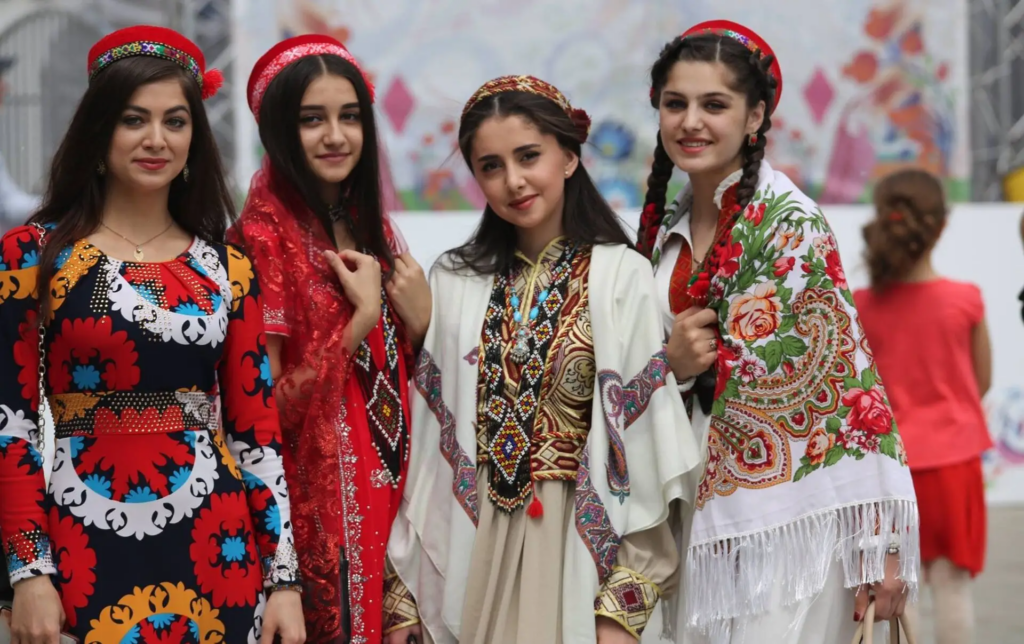
When many foreigners imagine China, they picture a population with relatively similar East Asian features.
Then they visit Xinjiang, Inner Mongolia, or parts of northeastern China and encounter something unexpected.
Some people have:
- Blue or green eyes
- Light brown or blond hair
- Prominent noses
- Deep-set eyes
- Facial features often associated with Europe or Central Asia
This often leads to a surprising question:
Why do some Chinese people look more European than Asian?
The answer lies in geography, history, and the remarkable diversity of China’s ethnic groups.
China Is Far More Diverse Than Many People Realize
China officially recognizes 56 ethnic groups.
While the Han Chinese account for more than 90% of the population, millions of people belong to minority groups with very different historical origins.
Many of these communities live along China’s vast western and northern frontiers.
For thousands of years, these regions served as crossroads linking East Asia, Central Asia, the Middle East, and Europe.
As a result, populations mixed, migrated, and intermarried over centuries.
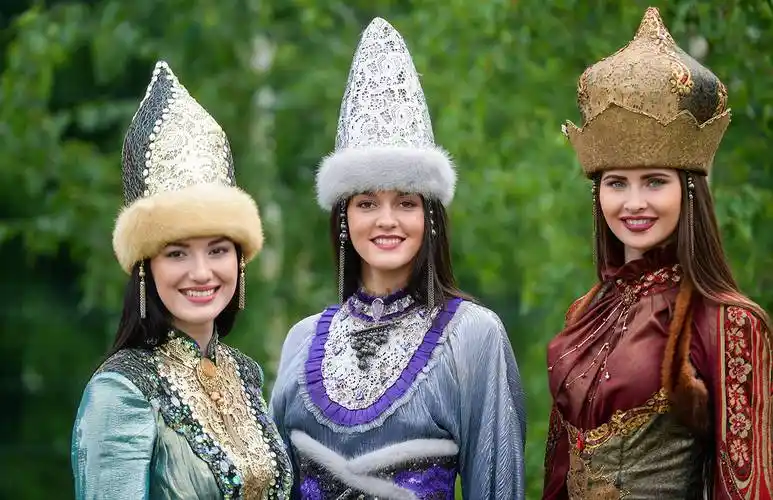
The Uyghurs of Xinjiang
One of the best-known examples is the Uyghur people.
The Uyghurs primarily live in Xinjiang, a vast region in northwestern China.
Historically, Xinjiang sat at the heart of the Silk Road, where traders from many civilizations met and exchanged goods, ideas, and cultures.
Because of this history, some Uyghurs display a wide range of appearances.
While many look similar to other Central Asian populations, some individuals have:
- Light eyes
- Fair skin
- Brown or reddish hair
Genetic studies have shown that Uyghurs often possess ancestry from both East Asian and West Eurasian populations.
Their appearance reflects centuries of interaction across Eurasia.
The Tajik People of China’s Pamir Mountains
Perhaps the most striking example is the Tajik ethnic group.
China’s Tajiks mainly live in the high mountains near the borders of Tajikistan, Afghanistan, and Pakistan.
Many travelers are surprised to encounter people who resemble populations from Central Asia, Iran, or even parts of Europe more than those from eastern China.
Some Tajiks have:
- Blue eyes
- Green eyes
- Light-colored hair
- Sharp facial features
Their ancestors have lived in the Pamir region for thousands of years, long before modern national borders existed.
The Russian Ethnic Minority in China
China also officially recognizes a Russian ethnic minority.
Most members of this community live in northeastern China, particularly near the Russian border.
Their ancestors arrived during various periods of migration and settlement over the past few centuries.
Today, Russian-style churches, architecture, and cultural traditions can still be found in certain border communities.
Unlike the Uyghurs or Tajiks, whose roots stretch back deep into Central Asian history, Chinese Russians have more direct historical connections to the Russian Empire and modern Russia.
The Legacy of the Silk Road
The Silk Road played a major role in shaping the appearance of many populations in western China.
For over two thousand years, merchants traveled between:
- China
- Persia
- India
- Central Asia
- The Middle East
- Europe
These routes did not only carry silk and spices.
They also carried people.
Intermarriage and migration created populations with mixed ancestry long before the modern era.
This explains why western China often appears more ethnically diverse than many outsiders expect.
What About the “Roman Village” in Gansu?
One of China’s most famous legends involves Liqian Village in Gansu Province.
Some villagers possess features commonly associated with Europe.
This inspired a popular theory that they may be descendants of Roman soldiers captured after an ancient battle nearly 2,000 years ago.
While historians remain skeptical and no definitive evidence has been found, the story highlights how unusual physical features in western China continue to capture public imagination.
Most experts believe these appearances are better explained by centuries of Silk Road migration rather than a lost Roman legion.
Do These People Consider Themselves Chinese?
Absolutely.
Ethnic identity and nationality are not the same thing.
Uyghurs, Tajiks, Mongols, Koreans, Tibetans, Russians, and many other groups are all recognized ethnic communities within China.
Their languages, traditions, and physical appearances may differ, but they are citizens of the same country.
Understanding this distinction helps explain why China can appear both highly unified and remarkably diverse at the same time.
So Why Do Some Chinese People Look European?
The short answer is geography and history.
Many ethnic groups in western and northern China developed at the meeting point of different civilizations.
Over thousands of years, migration, trade, conquest, and cultural exchange produced populations with a wide variety of appearances.
What surprises many visitors today is actually the result of one of the oldest and most connected regions in human history.
A Living Crossroads of Eurasia
China’s borderlands tell a different story from the image many foreigners have of the country.
From the Pamir Mountains to the grasslands of Inner Mongolia, these regions reveal how deeply connected Asia and Europe have always been.
The faces seen there are living reminders that civilizations rarely develop in isolation.
They grow through centuries of contact, movement, and exchange across continents.