




If you’re from North America, Europe, or Australia, you may be used to inviting friends over for dinner, hosting house parties, or spending weekends socializing at home.
In China, however, many foreigners notice something different.
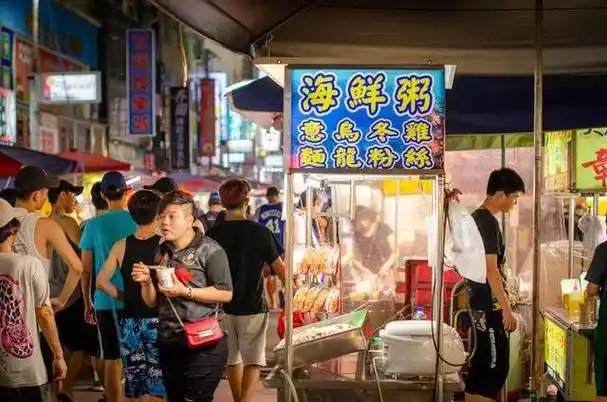
Even after becoming good friends with Chinese people, they may find that invitations to private homes are relatively uncommon. Instead, social gatherings often take place in restaurants, tea houses, cafes, hotpot shops, KTV venues, or public spaces.
Does this mean Chinese people are less friendly?
Not at all. The reason lies in cultural habits, family structures, and the way social life has evolved in modern China.
Home Is Considered a Private Family Space
Traditionally, Chinese homes are viewed primarily as spaces for family rather than entertainment.
For centuries, Chinese culture placed great importance on family relationships. The home was where family members lived together, cared for elders, and raised children.
Even today, many Chinese people subconsciously separate:
- Family space
- Social space
Friends are often welcomed warmly, but social activities are more likely to happen outside the home.
For many Chinese people, inviting someone home may feel more personal and significant than it does in some Western cultures.
Many Families Live with Multiple Generations
Another reason is China’s family structure.
Many households include:
- Parents
- Grandparents
- Children
Living with three generations under one roof is far more common than in many Western countries.
As a result, homes can feel crowded, and privacy may be limited.
Some people simply feel more comfortable meeting friends elsewhere rather than bringing guests into a busy family environment.
Chinese Hospitality Can Be Stressful
Chinese hospitality comes with high expectations.
When guests visit, hosts often feel responsible for providing:
- Plenty of food
- Drinks
- Comfortable seating
- A clean and organized home
Many people worry that their home may not be large enough or impressive enough.
Rather than risk appearing unprepared, they may choose to invite friends to a restaurant where everyone can relax without the pressure of hosting.
Restaurants Are an Important Social Space
China has a deeply developed dining culture.
People gather for:
- Family dinners
- Business meetings
- Birthday celebrations
- Class reunions
- Friendship gatherings
Restaurants are not simply places to eat; they are social hubs.
Since eating together is such an important part of Chinese culture, inviting someone to dinner is often seen as a stronger gesture of friendship than inviting them home.
Cities Offer Many Alternative Gathering Places
Modern Chinese cities provide countless options for socializing.
Friends frequently meet at:
- Hotpot restaurants
- Bubble tea shops
- Coffee houses
- Night markets
- Parks
- Shopping malls
- KTV venues
Because these spaces are convenient, affordable, and widely available, there is less need to entertain guests at home.
Younger Generations Are Changing
The situation is gradually evolving.
Young professionals living independently are increasingly influenced by global lifestyles.
In major cities such as Shanghai, Beijing, Shenzhen, and Chengdu, it has become more common for friends to:
- Host dinner parties
- Organize board game nights
- Watch movies at home
- Hold small gatherings
However, compared with many Western countries, social life in China still tends to be centered around public venues rather than private homes.
Being Invited Home Is Often a Sign of Trust
Ironically, because home invitations are less common, they can carry greater meaning.
When a Chinese friend invites you to:
- Share a family meal
- Celebrate a holiday
- Visit their parents
- Attend a family gathering
It is often a sign that you have become part of their close personal circle.
Many Chinese people reserve home invitations for relatives, longtime friends, and people they deeply trust.
Conclusion
Chinese people do not avoid inviting friends home because they are unfriendly. Instead, social life in China has traditionally revolved around restaurants, public gathering places, and shared activities outside the home.
Family-centered living arrangements, hospitality expectations, and a vibrant dining culture have all contributed to this pattern.
For many Chinese people, treating a friend to a meal may be the preferred way of saying: “I’m glad you’re here.”