


If you travel through southern China, especially in Guangdong, Fujian, or Jiangxi, you may hear people talking about the Hakka.
You may see unique circular earthen buildings known as tulou.
You may encounter distinctive foods, dialects, and traditions that seem different from those of neighboring communities.
So who exactly are the Hakka people?
Are they an ethnic minority?
Do they have their own language?
Why are they found across China and around the world?
The answers reveal one of the most fascinating migration stories in Chinese history.
What Does “Hakka” Mean?
The word “Hakka” comes from the Chinese term:
客家 (Kèjiā)
which literally means:
“guest families” or “guest people.”
The name reflects the community’s history.
Unlike many Chinese groups that remained in one region for centuries, the ancestors of the Hakka were migrants who repeatedly moved from northern China to the south.
Over time, local residents referred to these newcomers as “guest families.”
The name eventually became an identity of its own.
Are the Hakka an Ethnic Minority?
One of the most common misunderstandings is that the Hakka are an ethnic minority.
In fact, they are not.
The Hakka are part of the Han Chinese majority, the same broad ethnic group as most Chinese people.
What makes them unique is their culture, language, and historical experience.
You can think of the Hakka as a cultural subgroup within the Han Chinese population, similar to how different regional identities exist within many countries.
Why Did the Hakka Migrate So Often?
The story of the Hakka is closely linked to migration.
Historians believe many Hakka ancestors originally lived in northern China.
Over the centuries, wars, political instability, and social upheavals pushed waves of people southward.
Major migrations occurred during periods such as:
- The fall of the Western Jin Dynasty
- The Tang Dynasty upheavals
- The Song Dynasty wars
- Later periods of conflict
Each migration moved communities farther south.
Eventually, large Hakka populations settled in:
- Guangdong
- Fujian
- Jiangxi
- Guangxi
- Sichuan
- Taiwan
Their identity was shaped by centuries of relocation and adaptation.
The Hakka Language
One of the strongest markers of Hakka identity is language.
The Hakka language belongs to the Chinese language family but differs significantly from:
- Mandarin
- Cantonese
- Hokkien
A Mandarin speaker usually cannot understand Hakka without studying it.
Linguists consider Hakka one of the major varieties of Chinese.
Many scholars believe the language preserves features of older forms of Chinese that disappeared elsewhere over time.
Today, Hakka is spoken by millions of people in China and overseas communities.
The Famous Hakka Tulou
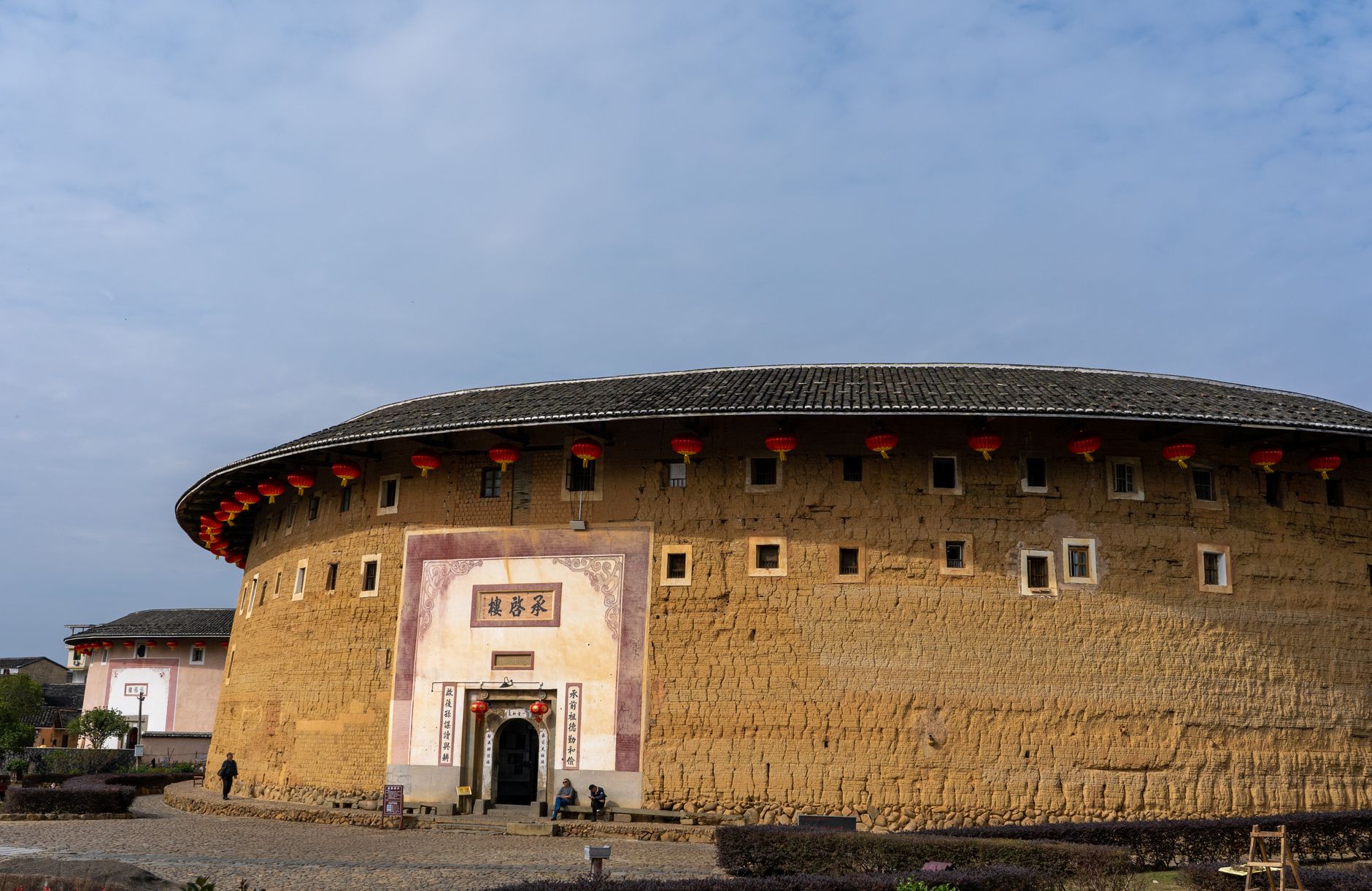
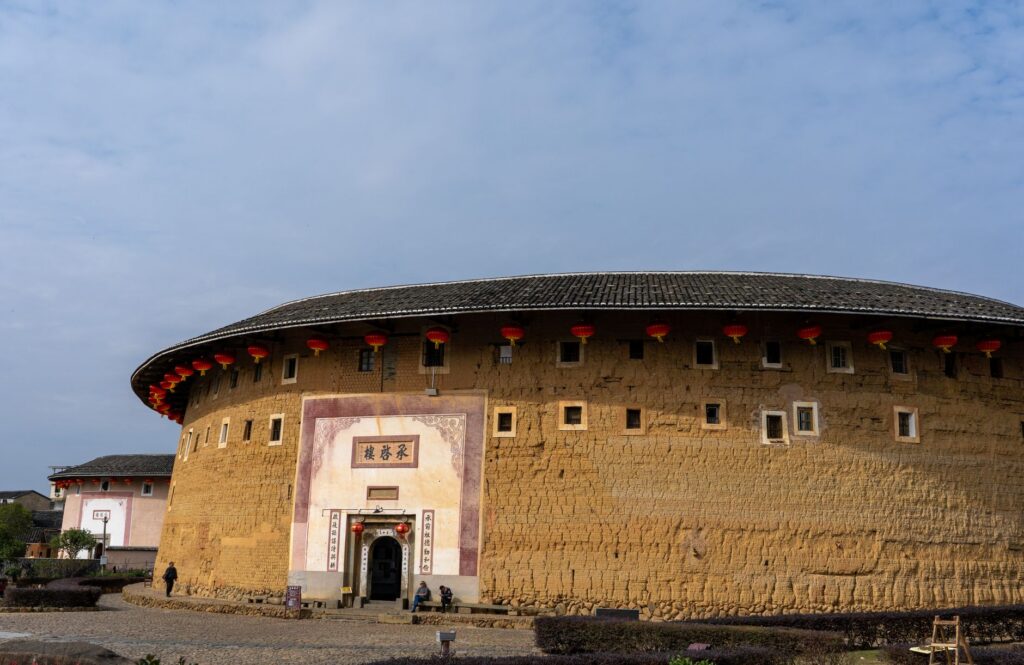
Perhaps the most iconic symbol of Hakka culture is the tulou.
These massive earthen buildings are found primarily in Fujian Province.
Some are circular.
Others are square or rectangular.
Built from earth, wood, and stone, a single tulou could house dozens of families.
The structures provided:
- Security
- Shared resources
- Community living
To many foreign visitors, they resemble medieval fortresses.
Several Hakka tulou have been recognized as UNESCO World Heritage Sites.
Hakka Culture and Values
Because of their history as migrants, Hakka communities developed a reputation for resilience and adaptability.
Traditional Hakka culture often emphasizes:
- Education
- Hard work
- Family loyalty
- Frugality
- Community cooperation
These values helped communities survive repeated migrations and difficult living conditions.
Although modern Hakka society is highly diverse, many of these cultural traits remain important today.
Hakka Cuisine
Hakka food is known throughout China.
Famous dishes include:
- Hakka stuffed tofu
- Salt-baked chicken
- Braised pork dishes
- Preserved vegetables
Historically, Hakka communities often lived in mountainous regions with limited resources.
As a result, many dishes focus on preservation techniques and practical ingredients while delivering rich flavors.
Today, Hakka cuisine is enjoyed far beyond traditional Hakka areas.
The Global Hakka Diaspora
The Hakka are not only found in China.
Over the past two centuries, many migrated overseas.
Large Hakka communities can be found in:
- Taiwan
- Malaysia
- Singapore
- Indonesia
- Thailand
- Mauritius
- South Africa
As a result, Hakka culture has become a global phenomenon.
Many overseas Chinese families trace their roots to Hakka ancestors.
Famous Hakka People
The Hakka have produced numerous influential figures.
Some of the most famous include:
- Sun Yat-sen, regarded as the founding father of modern China
- Deng Xiaoping, one of China’s most important modern leaders
- Lee Kuan Yew, the founding Prime Minister of Singapore
While not every historian agrees on every classification, Hakka heritage has been associated with many prominent political and social leaders.
Conclusion
The Hakka people are not a separate ethnic minority but a unique cultural community within the Han Chinese world.
Shaped by centuries of migration, they developed their own language, architecture, cuisine, and traditions while maintaining a strong sense of identity.
Today, from the earthen tulou of Fujian to overseas communities across Southeast Asia, the Hakka continue to represent one of the most remarkable migration stories in Chinese history.
To understand the Hakka is to understand how movement, adaptation, and resilience helped shape both China and the wider Chinese diaspora.