




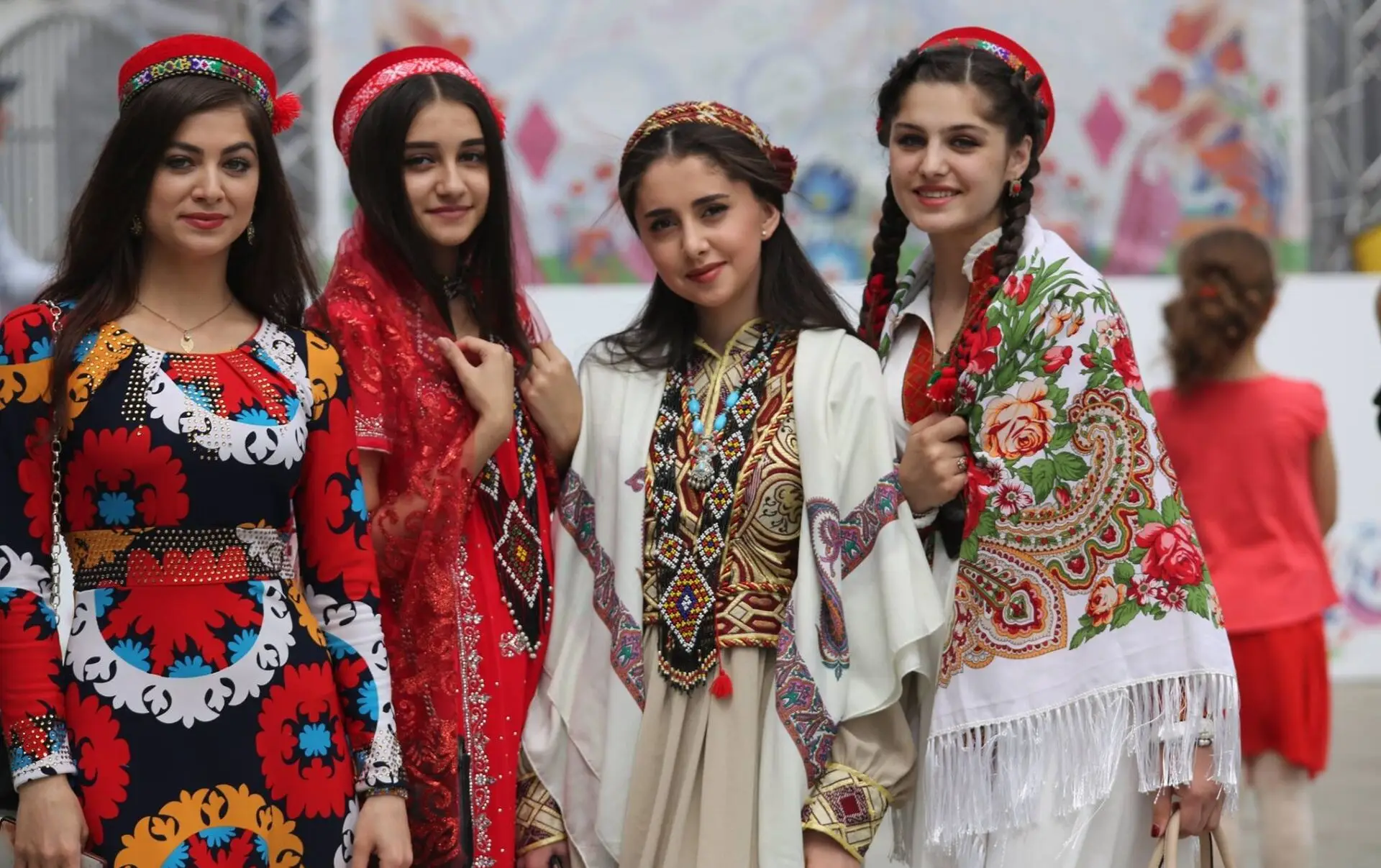
Many foreigners are surprised to learn that not everyone in China speaks a Chinese language at home.
In the far northwest region of Xinjiang, millions of Uyghurs speak a language that sounds completely different from Mandarin.
In fact, a Mandarin speaker typically cannot understand Uyghur at all.
The language has its own vocabulary, grammar, pronunciation, and writing system.
So why do Uyghurs speak a different language?
The answer lies in geography, migration, and thousands of years of history along one of the world’s most important trade routes: the Silk Road.
Who Are the Uyghurs?
The Uyghurs are one of China’s officially recognized ethnic groups.
Most Uyghurs live in the Xinjiang Uyghur Autonomous Region in northwestern China.
Historically, this region sat at the crossroads of several civilizations, connecting:
- China
- Central Asia
- Persia
- South Asia
- The Middle East
Because of its location, Xinjiang became a place where different peoples, languages, religions, and cultures met and interacted.
The Uyghurs emerged from this unique historical environment.
Uyghur Is Not a Chinese Language
One of the most important things to understand is that Uyghur does not belong to the Chinese language family.
Mandarin belongs to the Sino-Tibetan language family.
Uyghur belongs to the Turkic language family.
This means Uyghur is more closely related to languages such as:
- Turkish
- Kazakh
- Uzbek
- Kyrgyz
than it is to Mandarin Chinese.
For example, some basic words and grammatical structures share similarities with other Turkic languages across Central Asia.
The Legacy of Ancient Turkic Peoples
The ancestors of today’s Uyghurs were influenced by various Turkic peoples who moved across Central Asia over many centuries.
Beginning more than a thousand years ago, Turkic-speaking groups established kingdoms and trading networks throughout the region.
Over time, these populations mixed with local communities and developed distinct identities.
The Uyghurs gradually emerged as one of the major peoples of the region.
Their language preserved many Turkic features while also developing its own unique characteristics.
The Silk Road Shaped Uyghur Culture
For centuries, Xinjiang was one of the most important regions along the Silk Road.
Merchants, travelers, scholars, and diplomats passed through cities such as:
- Kashgar
- Turpan
- Hotan
These exchanges brought influences from many civilizations.
As a result, the Uyghur language absorbed words from:
- Persian
- Arabic
- Chinese
- Other Central Asian languages
This rich mixture reflects the region’s long history as a cultural crossroads.
Why Does Uyghur Use a Different Alphabet?
Another thing that surprises visitors is the Uyghur writing system.
Unlike Chinese characters, modern Uyghur is generally written using a modified Arabic-based script.
For example, a street sign in Xinjiang may display:
- Chinese characters
- Uyghur script
side by side.
This writing tradition developed largely because of the historical spread of Islam throughout Central Asia.
As Islamic culture expanded across the region, Arabic script became widely used for writing local languages.
Today, the Uyghur writing system remains one of the most visible symbols of Uyghur cultural identity.
Do Uyghurs Also Speak Mandarin?
Many Uyghurs today speak Mandarin Chinese in addition to Uyghur.
The degree of bilingualism varies depending on factors such as:
- Age
- Education
- Occupation
- Location
In urban areas, many people use both languages in daily life.
For some families, Uyghur remains the primary language at home, while Mandarin is used for education, business, and communication with people from other parts of China.
Why Has the Language Survived?
Many minority languages around the world have disappeared over time.
The Uyghur language has survived for several reasons.
First, it has millions of speakers.
Second, Uyghur possesses a long literary tradition.
Third, strong cultural and family ties help pass the language from one generation to the next.
Like many communities around the world, Uyghurs often view language as an important part of their cultural heritage.
Xinjiang Is One of China’s Most Diverse Regions
Understanding Uyghur helps people understand Xinjiang itself.
The region is home to multiple ethnic groups, including:
- Uyghurs
- Kazakhs
- Kyrgyz
- Hui
- Mongols
- Han Chinese
As a result, Xinjiang has historically been one of China’s most linguistically and culturally diverse regions.
This diversity is one reason the area attracts so much interest from historians, travelers, and researchers.
Why Foreigners Find This Surprising
Many people outside China assume that all Chinese citizens speak the same language.
In reality, China is home to dozens of ethnic groups and many different languages.
The Uyghur language serves as a reminder that China’s history extends far beyond the traditional heartlands of eastern China.
It also highlights the country’s historical connections to Central Asia and the wider Silk Road world.
Conclusion
Uyghurs speak a different language because their history developed along a different cultural and linguistic path from that of the Han Chinese majority.
As a member of the Turkic language family, Uyghur reflects centuries of interaction between Central Asian civilizations, Silk Road trade networks, and local communities in Xinjiang.
Today, the language remains an important part of Uyghur identity and one of the most fascinating examples of China’s cultural diversity.
To understand why Uyghurs speak a different language is to better understand how geography, migration, and history helped shape one of the world’s most diverse civilizations.