



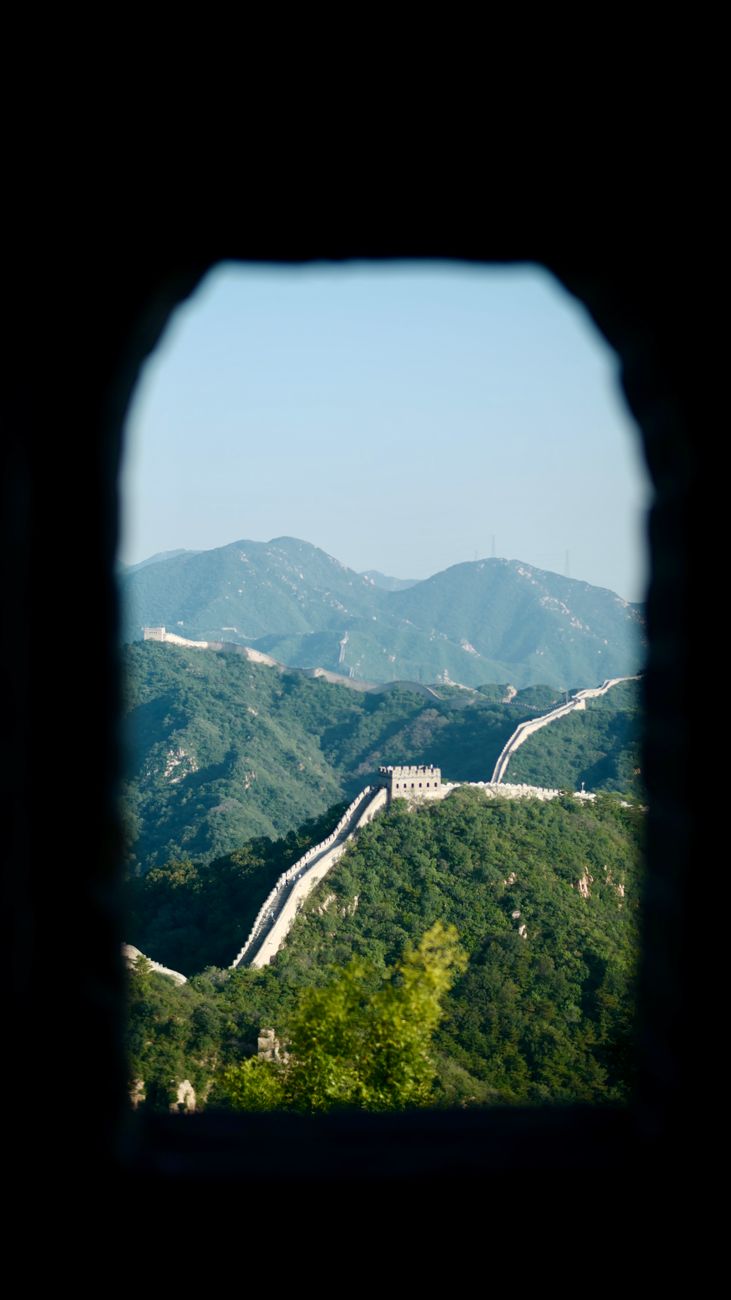
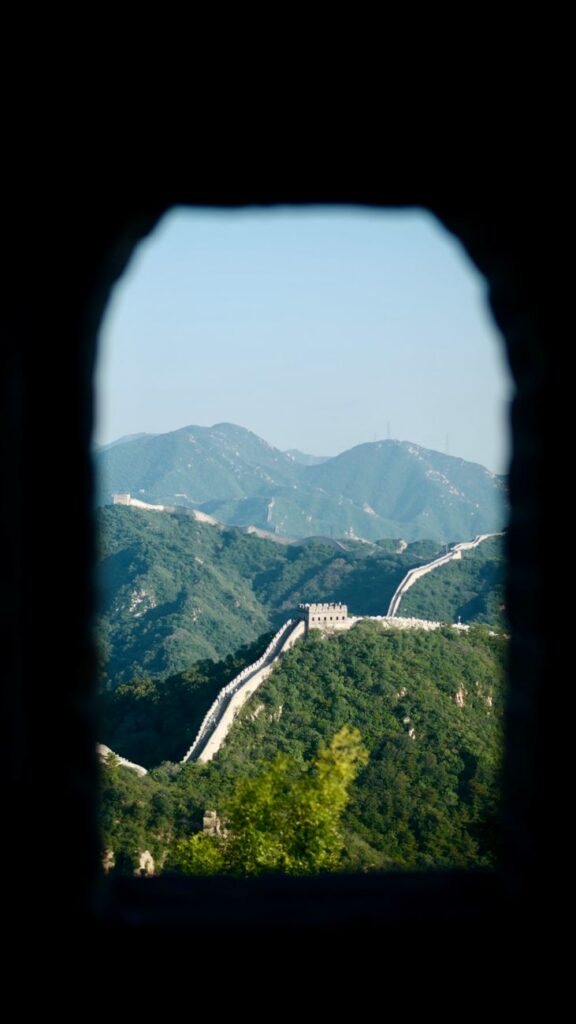
When people think of China, one image often comes to mind first: the Great Wall.
Stretching across mountains, deserts, grasslands, and plateaus, the Great Wall is one of the most famous structures ever built by humans. Many visitors imagine it as a single giant wall running across northern China. The reality, however, is much more fascinating.
So why is the Great Wall of China so long?
It Wasn’t Built All at Once
One of the biggest misconceptions about the Great Wall is that it was constructed by a single emperor or during a single period of history.
In fact, the Great Wall is a collection of walls, fortifications, watchtowers, trenches, and military outposts built over more than 2,000 years.
The earliest sections date back to the Warring States Period (475–221 BC), when rival Chinese kingdoms built defensive walls to protect themselves from neighboring states.
When Emperor Qin Shi Huang unified China in 221 BC, he ordered some of these walls to be connected and expanded. This is often considered the beginning of the Great Wall as a national project.
However, the wall that most tourists visit today was largely built during the Ming Dynasty (1368–1644), nearly 1,500 years later.
How Long Is the Great Wall?
For centuries, people believed the Great Wall was around 6,000 kilometers (3,700 miles) long.
A comprehensive survey completed by Chinese authorities found that the entire Great Wall system measures approximately 21,196 kilometers (13,171 miles).
That’s more than half the circumference of the Earth.
The reason for this enormous length is that the survey included:
- Main walls
- Branch walls
- Trenches
- Mountain barriers
- Fortresses
- Watchtowers
In other words, the Great Wall is not a single structure but a vast military defense network.
Who Was China Defending Against?
To understand the wall’s length, it’s important to understand China’s geography.
Northern China opens into the vast Eurasian Steppe, a huge grassland stretching across modern Mongolia, Kazakhstan, and beyond.
For thousands of years, nomadic horse-riding peoples lived on these grasslands. Unlike farming societies, they could travel quickly across great distances.
Various nomadic groups—including the Xiongnu, Turks, Khitans, Jurchens, Mongols, and others—often raided or invaded agricultural regions in northern China.
Building walls was one way for Chinese dynasties to slow down attacks, monitor border crossings, and protect important cities and farmland.
The Wall Was More Than a Wall
Many people imagine soldiers simply standing on top of the wall waiting for enemies.
In reality, the Great Wall served multiple functions:
Border Control
The wall regulated trade and migration.
People passing through major gates often had to pay taxes or present documents.
Military Communication
Watchtowers were placed at regular intervals.
Soldiers could send warning signals using:
- Smoke during the day
- Fire at night
- Drums
- Flags
Messages could travel hundreds of kilometers in a matter of hours.
Customs and Trade
Important trade routes crossed through wall passes.
Some sections functioned more like customs checkpoints than military barriers.
Did the Great Wall Actually Work?
The answer is both yes and no.
The wall successfully discouraged small raids and gave defenders time to react.
However, it could not stop every invasion.
The Mongols crossed the frontier and eventually established the Yuan Dynasty in China.
Later, the Manchus entered China and founded the Qing Dynasty.
The Great Wall was never an impenetrable barrier. Instead, it acted as a defensive system that made invasions more difficult and expensive.
Can the Great Wall Be Seen from Space?
This is one of the most famous myths about China.
Many people have heard that the Great Wall is the only human-made structure visible from space.
Astronauts and space agencies have repeatedly stated that this is not true.
The wall is relatively narrow and often blends into the surrounding landscape, making it difficult to see with the naked eye from orbit.
In reality, many modern cities, roads, and airports are easier to spot from space than the Great Wall.
Why Does the Great Wall Matter Today?
Today, the Great Wall is a UNESCO World Heritage Site and one of China’s most visited attractions.
But its importance goes far beyond tourism.
The wall tells the story of:
- Ancient warfare
- China’s relationship with neighboring peoples
- Imperial power
- Engineering achievements
- Cultural exchange across Eurasia
Far from being just a wall, it represents more than two millennia of Chinese history.
Final Thoughts
The Great Wall of China is so long because it was never intended to be a single wall. It was a massive defense network built and expanded by multiple dynasties over thousands of years.
Stretching more than 21,000 kilometers, it reflects China’s efforts to protect its borders, manage trade, and communicate across vast territories.
And perhaps that is what makes the Great Wall truly remarkable—not its length alone, but the incredible history hidden within every stone.