
When travelers think of Xiangtan, most picture the hometown of Chairman Mao. Yet this city on the Xiang River offers far more than revolutionary heritage. As the inheritor of “Golden Xiangtan”—the wealthiest commercial hub in Ming-Qing Hunan—and the “Pearl of Central Hunan,” it layers millennium-old port streets, intangible cultural heritage workshops, and lakeside leisure over its red-tourism foundations.
1. Shaoshan Tourism Zone: A Pilgrimage to the Heart of Modern China
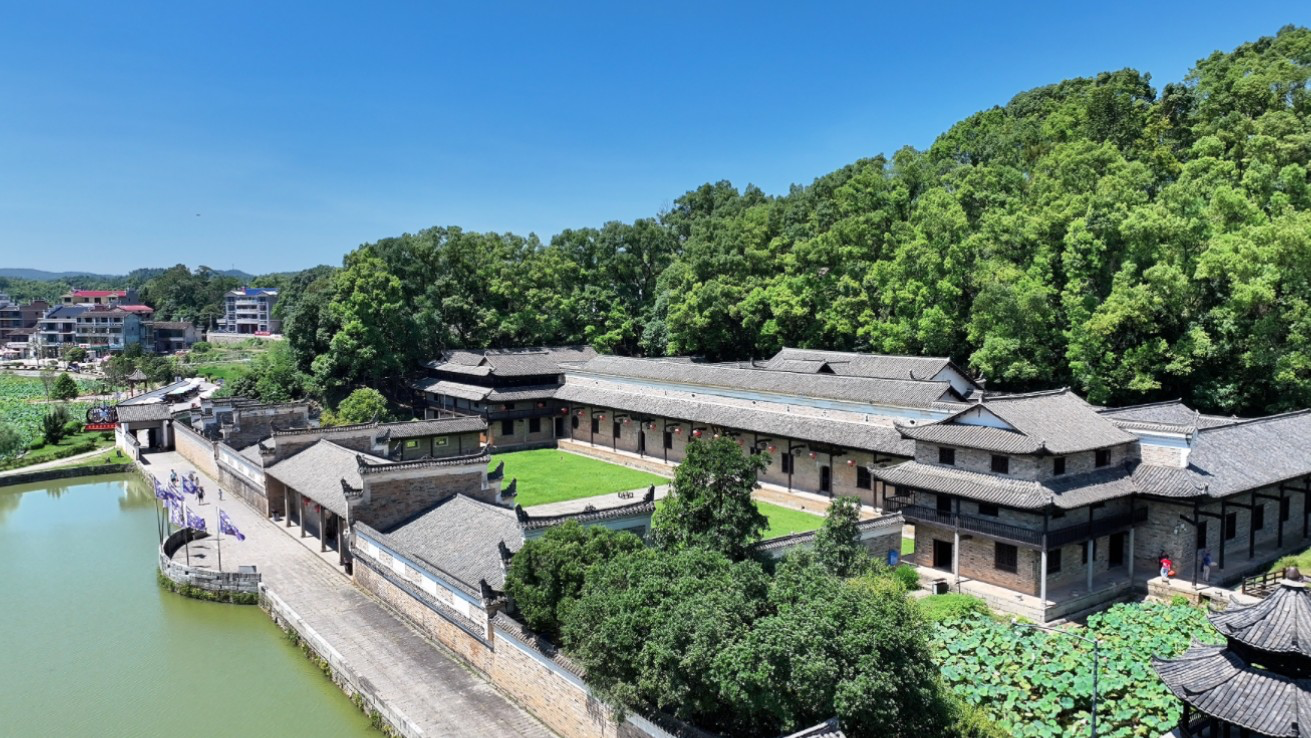
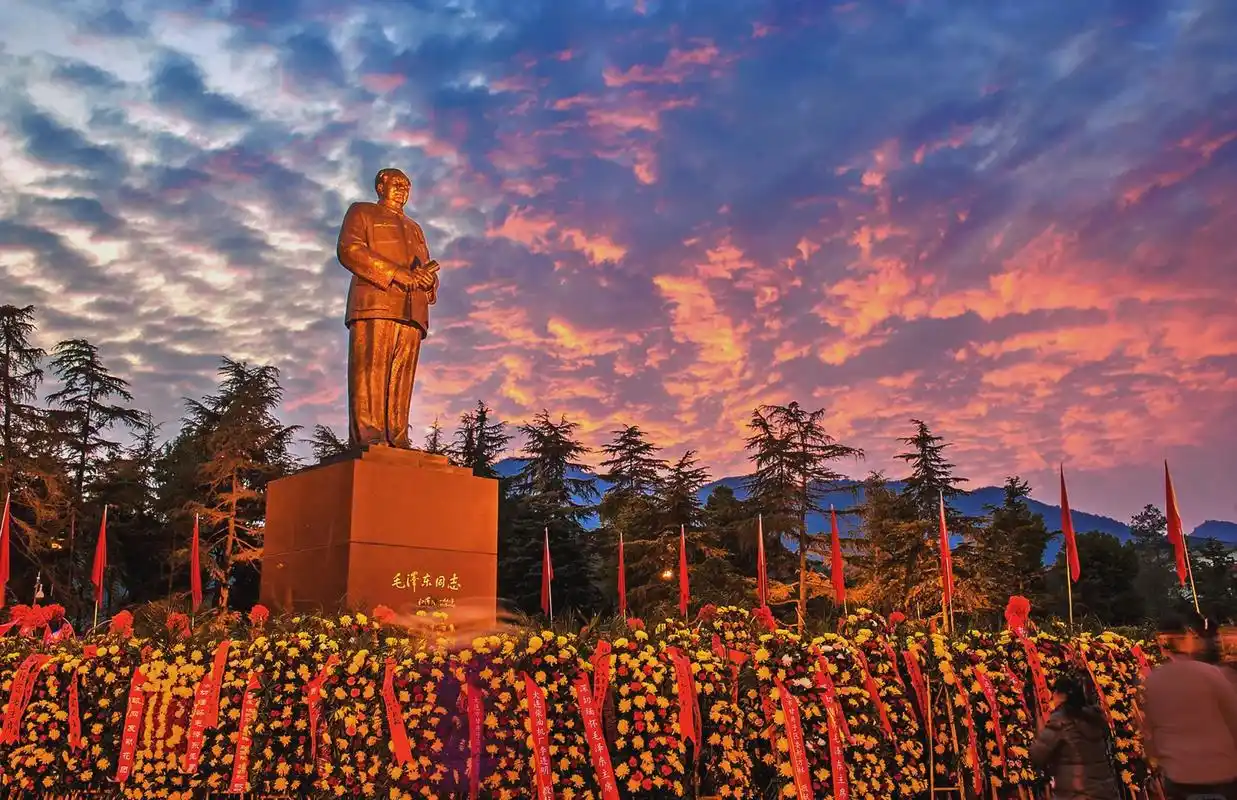
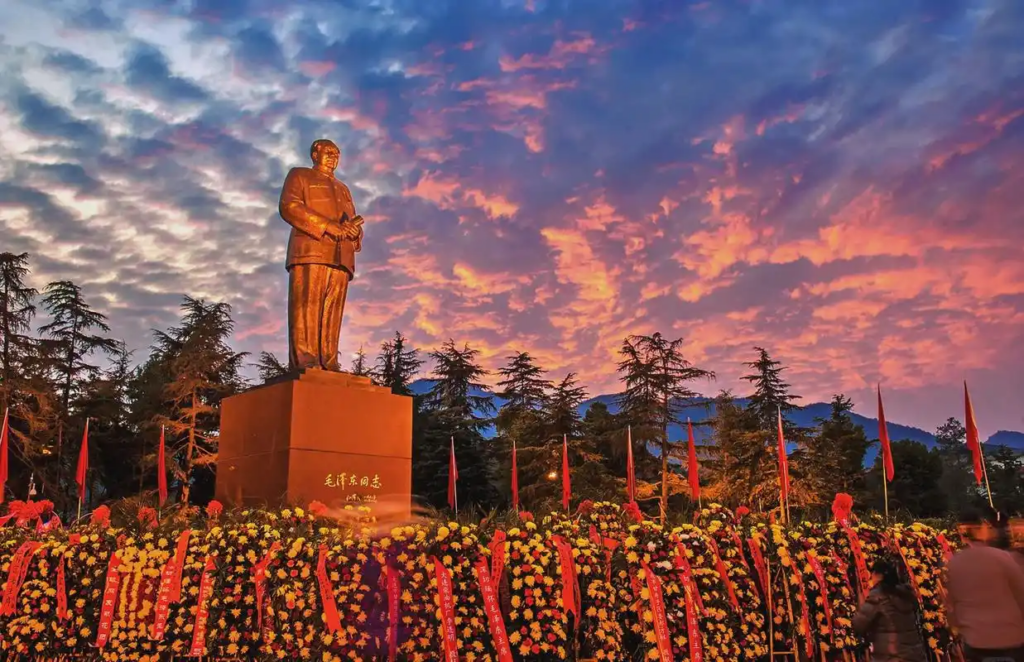
Shaoshan is Xiangtan’s most internationally recognized landmark and the birthplace of Mao Zedong. The core circuit includes Mao Zedong’s Former Residence (a classic central-Hunan farmhouse where the leader spent his childhood), Mao Zedong Square (featuring a monumental bronze statue for solemn reflection), Mao Zedong Memorial Hall (chronicling his journey from rural student to nation-builder), and Dishuidong (“Dripping Water Cave,” a secluded mountain retreat 5km from the residence where Mao stayed for 11 days). The 2025-renovated Shaoshan Intangible Cultural Heritage Expo Park centralizes Hunan’s finest crafts—Xiang embroidery, paper-cutting, and ceramics—with hands-on workshops for oil-paper umbrella painting and shadow puppet making.
Tip: Advance online reservation is mandatory. Allocate a full day: morning for the residence and memorial hall, afternoon for Dishuidong.
2. Yaowan Historical and Cultural Block: 1,700 Years of “The First Bay of the Xiang River”
If Shaoshan represents Xiangtan’s spiritual peak, Yaowan is its cultural root. Located on the west bank of the Xiang River in Yuhu District, this ancient street dates to 313 CE (Jin Dynasty) and flourished during the Ming-Qing period as “Little Nanjing” and “Golden Xiangtan”—the province’s most vital commercial port.

Following a comprehensive renovation in September 2025, Yaowan has emerged as Xiangtan’s “third cultural tourism名片” after Shaoshan and Wanlou. Its “one heart, one axis, four zones” layout features:
- Tanbao Bus Station (built 1922, Hunan’s earliest highway bus terminal and a provincial cultural relic, its fortress-like architecture exudes Republican-era charm)
- Wangheng Pavilion (a 1932 three-story granite structure offering panoramic Xiang River views and, on clear days, sightlines to Mount Heng)
- Tangxing Bridge (Xiangtan’s oldest surviving stone bridge, dating to the late Qin period, adorned with vivid stone carvings of lions and elephants)
- Datangxing Temple (a Jin Dynasty temple where Tang Dynasty monk Zhiyan resided; Liu Yuxi composed its stone pagoda inscription)
- Liliu Dye Hall (recreating late-Qing rice-market prosperity with “front-shop, back-workshop” architecture)
The district now hosts national ICH Wujia Boxing academies, provincial ICH Millennium Oil Drum performances, Shigu Oil-Paper Umbrella workshops, and live Paper Shadow Play shows. Night lighting creates an immersive atmosphere that drew 150,000 visitors during the 2025 National Day holiday—a 46% year-on-year increase.
Tip: Free admission all day. Arrive in late afternoon to explore heritage sites before enjoying the illuminated nightscape.
3. Wanlou · Youth Wharf: Ancient Pagoda Meets Modern Entertainment
The Ming Dynasty-era Wanlou stands as the tallest antique-style building on the Xiang River, offering commanding river views. At its base, Wanlou Youth Wharf represents Hunan’s benchmark for nighttime cultural tourism—home to China’s largest container market, the province’s biggest Ferris wheel (“Xiangtan Eye”), Happy Camp theme park, and Mango Ocean Park.

The 2025-renovated Wanlou ICH Block channels “The 18 Wharves of a Thousand Years” through vintage streetscapes, craft workshops, and immersive NPC performances (newsboys, Republican-era socialites) that collide old Xiangtan with new trends.
4. Panlong Grand View Garden: Floral Paradise in the Green Heart of Chang-Zhu-Tan
Located in the ecological “green heart” of the Changsha-Zhuzhou-Xiangtan city cluster, this complex boasts central China’s most comprehensive camellia garden (300+ species including national first-class protected Camellia nitidissima), China’s largest bonsai collection (1,000+ pots, many over 100 years old), and a modern agricultural vegetable expo demonstrating soilless cultivation techniques.

The amusement zone offers nearly 50 attractions, forming the region’s largest physical development base. During the 2025 May Day holiday, it hosted the inaugural International Fireworks Music Festival; the August “Thousand Lanterns Night” festival features molten-iron flower performances, fire-pot shows, and glowworm light installations with all-access passes.
5. Shuifu Tourism Zone: The “Pearl of Central Hunan”
This national 4A-level scenic area and wetland park encompasses 50.5 square kilometers of reservoir waters, earning the nickname “Heavenly Shuifu, Earthly Yao Pool.” With lush vegetation and high negative-ion air quality, it offers resort hotels and auto-camping facilities for lakeside relaxation.
6. Xiangtan Museum & Qi Baishi Memorial Hall: Deep-Dive Culture
The Xiangtan Museum (national second-grade) holds 963 precious artifacts, specializing in Yuan blue-and-white porcelain, Spring-Autumn Chu bronzeware, and Ming-Qing literati paintings. The Qi Baishi Memorial Hall honors the world-renowned painter who emerged from Xiangtan’s countryside, housing an extensive collection of originals and manuscripts.
7. Dongshan Academy & Dongtai Mountain: Scholarship Meets Nature
Founded in 1895, Dongshan Academy was the alma mater of Mao Zedong, Tan Zheng, and Chen Geng, preserving extensive modern educational archives. Adjacent Dongtai Mountain National Forest Park offers pristine air and hiking trails through dense canopy.