


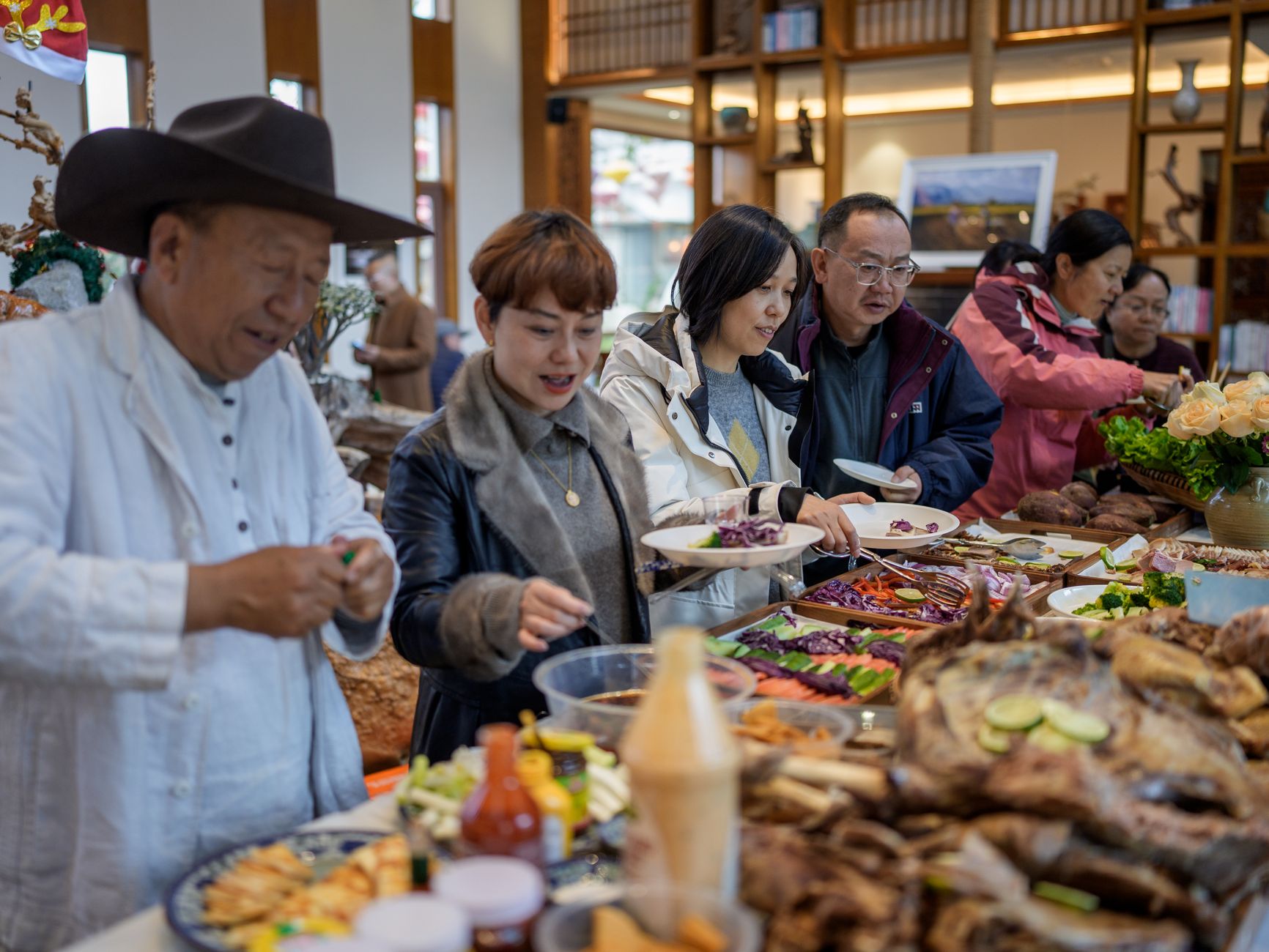

In many parts of the world, a meal is simply a way to satisfy hunger.
In China, however, a banquet is often something much more important.
A banquet can celebrate a wedding, welcome a newborn child, honor the elderly, commemorate the dead, mark a business partnership, or reunite an extended family. For thousands of years, feasts have played a central role in Chinese social life.
To understand China, it is not enough to understand Chinese food—you must also understand Chinese banquet culture.
Why Banquets Are So Important in China
Traditional Chinese society places great emphasis on relationships.
Family ties, friendships, business partnerships, and community connections are often strengthened around the dining table.
A famous Chinese saying states:
“There is no problem that cannot be discussed over a meal.”
Throughout Chinese history, important decisions were frequently made during banquets rather than in formal offices.
Sharing food became a way of expressing:
- Respect
- Hospitality
- Gratitude
- Trust
- Social status
Even today, invitations to major banquets are considered important social occasions.
The Banquet Is More Important Than the Food
Foreign visitors often focus on the dishes.
Chinese guests often focus on the relationships.
A successful banquet is not judged solely by how delicious the food is.
It is also judged by:
- Who attends
- Seating arrangements
- Hospitality
- Toasts
- Atmosphere
The banquet itself acts as a social ritual.
The meal becomes a symbol of respect and goodwill.
Different Types of Chinese Banquets
China has many different banquet traditions.
Wedding Banquets
Wedding banquets are among the largest celebrations in Chinese society.
It is common for families to invite:
- Relatives
- Friends
- Colleagues
- Business associates
In some regions, a wedding banquet may include hundreds of guests.
Traditional wedding dishes often symbolize:
- Prosperity
- Fertility
- Family harmony
Fish is especially popular because the Chinese word for fish sounds similar to the word for abundance.
Birthday Banquets
Major birthdays are often celebrated with large family meals.
Particular importance is given to:
- 60th birthdays
- 70th birthdays
- 80th birthdays
Longevity noodles are commonly served because long noodles symbolize a long life.
Full-Moon Banquets
When a baby reaches one month old, many families hold a celebration known as a “Full Moon Banquet.”
Guests may receive:
- Red eggs
- Ginger
- Traditional sweets
The event celebrates the child’s successful first month of life.
Funeral Banquets
Even funerals often include communal meals.
After memorial ceremonies, family members gather to share food and remember the deceased.
This tradition emphasizes family unity during difficult times.
Business Banquets
Business banquets remain important throughout China.
Partnerships are often strengthened through shared meals.
A business banquet may involve:
- Formal seating
- Multiple courses
- Toasting rituals
For many Chinese professionals, relationships established at the dinner table can be as important as contracts.
Regional Banquet Traditions Across China
China’s banquet culture varies greatly by region.
Guangdong: Luxury Seafood Banquets
In Guangdong, banquet menus frequently feature:
- Lobster
- Abalone
- Grouper
- Roast suckling pig
Fresh ingredients and elaborate presentation are highly valued.
A Cantonese wedding banquet may include ten or more courses.
Sichuan: Spicy Celebration Feasts
Sichuan banquets often emphasize:
- Bold flavors
- Chili peppers
- Sichuan peppercorns
Large communal dishes encourage sharing among guests.
Hunan: Generous Rural Banquets
In many rural areas of Hunan, banquets remain central to village life.
Events may involve:
- Entire communities
- Temporary outdoor kitchens
- Dozens of dishes
The atmosphere is often lively and highly social.
Fujian: Seafood and Soup Traditions
Fujian banquets frequently feature:
- Seafood
- Slow-cooked soups
- Delicately flavored dishes
Many recipes reflect the province’s maritime history.
Northern China: Wheat-Based Feasts
Banquets in northern provinces may include:
- Dumplings
- Noodles
- Steamed buns
These foods reflect the region’s agricultural traditions.
The Importance of Seating Arrangements
Where guests sit matters.
Traditional banquet seating reflects hierarchy and respect.
The most honored guest is often seated facing the entrance.
Important family members or senior guests are placed near the host.
Although younger generations may pay less attention to these customs, they remain influential in formal settings.
The Art of Toasting
No discussion of Chinese banquet culture is complete without mentioning toasts.
During formal meals, guests often raise glasses to express:
- Friendship
- Respect
- Gratitude
- Cooperation
The practice helps strengthen social bonds.
In some regions, multiple rounds of toasts are expected throughout the meal.
Why Banquets Have So Many Dishes
Many Chinese banquets feature ten, twelve, or even more courses.
Historically, a generous menu demonstrated:
- Hospitality
- Family prosperity
- Respect for guests
Special dishes often carry symbolic meanings.
Examples include:
- Fish for abundance
- Chicken for family unity
- Noodles for longevity
- Sweet desserts for happiness
The meal becomes a collection of blessings expressed through food.
Modern Changes in Banquet Culture
China’s rapid urbanization has changed banquet traditions.
Today, many celebrations are held in:
- Hotels
- Restaurants
- Event venues
Environmental awareness and changing lifestyles have also encouraged simpler menus in some cities.
However, the importance of gathering around a shared table remains unchanged.
Why Banquets Reveal So Much About China
Chinese banquets are about far more than eating.
They reveal key values within Chinese society:
- Family loyalty
- Hospitality
- Respect for elders
- Community relationships
- Social harmony
For centuries, the banquet table has been one of the most important places where Chinese culture is practiced and passed from one generation to the next.
Final Thoughts
Chinese banquet culture is one of the most fascinating aspects of Chinese society.
Whether celebrating a wedding in Guangdong, a village feast in Hunan, a birthday in Beijing, or a business partnership in Shanghai, banquets continue to serve as powerful expressions of community and connection.
In China, food is rarely just food.
A banquet is a language of respect, generosity, and relationship-building—one that has shaped Chinese culture for thousands of years.