

Visitors to China often notice a surprising pattern.
In parks, shopping malls, residential compounds, schools, playgrounds, and even fast-food restaurants, grandparents seem to be everywhere.
Many are pushing strollers, picking children up from school, preparing meals, or supervising playtime.
For foreigners from countries where childcare is often handled by parents, babysitters, or daycare centers, this can be surprising.
Why do Chinese grandparents play such a large role in family life?
The answer lies in a combination of tradition, economics, and modern social realities.
Family Has Always Been Central to Chinese Society
For thousands of years, Chinese society has emphasized family responsibility.
Influenced by Confucian values, family members are expected to support one another across generations.
Parents raise children.
Children care for aging parents.
Grandparents often help raise grandchildren.
Rather than seeing childcare as the sole responsibility of parents, many Chinese families view it as a shared family duty.
This tradition remains remarkably strong today.
The Rise of the “Grandparent Army”
In modern China, many young couples work long hours.
A typical workday may include:
- Long commutes
- Overtime
- Business dinners
- Weekend work
As a result, grandparents often step in to help.
Some move from smaller cities or rural areas to live with their adult children after a baby is born.
Others temporarily relocate for several years to assist with childcare.
This phenomenon is so common that Chinese internet users sometimes jokingly refer to it as the “grandparent army.”
Childcare Can Be Expensive
Cost is another important factor.
In major cities such as Beijing, Shanghai, Shenzhen, and Guangzhou, childcare services can be costly.
For many families, having grandparents help with:
- School pickups
- Meal preparation
- Daily supervision
can save a significant amount of money.
Grandparents provide trusted care while reducing financial pressure on young parents.
Retirees Have More Time
Another reason grandparents are so visible is China’s retirement system.
Many Chinese workers retire earlier than their counterparts in some Western countries.
After retirement, grandparents often have:
- More free time
- Better health
- Strong family connections
Helping raise grandchildren gives many retirees a sense of purpose and fulfillment.
Instead of traveling or pursuing hobbies full-time, they often choose to focus on family.
Chinese Cities Are Designed for Family Life
Walk through a typical Chinese residential compound and you will often find:
- Children’s playgrounds
- Outdoor fitness equipment
- Community squares
- Walking paths
These spaces naturally become gathering places for grandparents and grandchildren.
Every afternoon, parks and residential communities fill with older adults watching children play.
For visitors, this can create the impression that grandparents are everywhere.
In many ways, they are.
Benefits and Challenges
This system has several advantages.
Children often receive:
- Constant supervision
- Emotional support
- Strong family bonds
Parents gain valuable help managing work and family responsibilities.
However, there can also be challenges.
Different generations may disagree about:
- Discipline
- Education
- Diet
- Screen time
Modern Chinese families sometimes debate how much influence grandparents should have in raising children.
A Uniquely Visible Part of Chinese Life
Few countries have grandparents as visibly involved in daily childcare as China.
While similar arrangements exist in parts of Asia, the scale in China is remarkable because of its large population and strong family traditions.
For many foreigners, seeing grandparents escort children to school every morning becomes one of their most memorable observations about Chinese society.
Conclusion
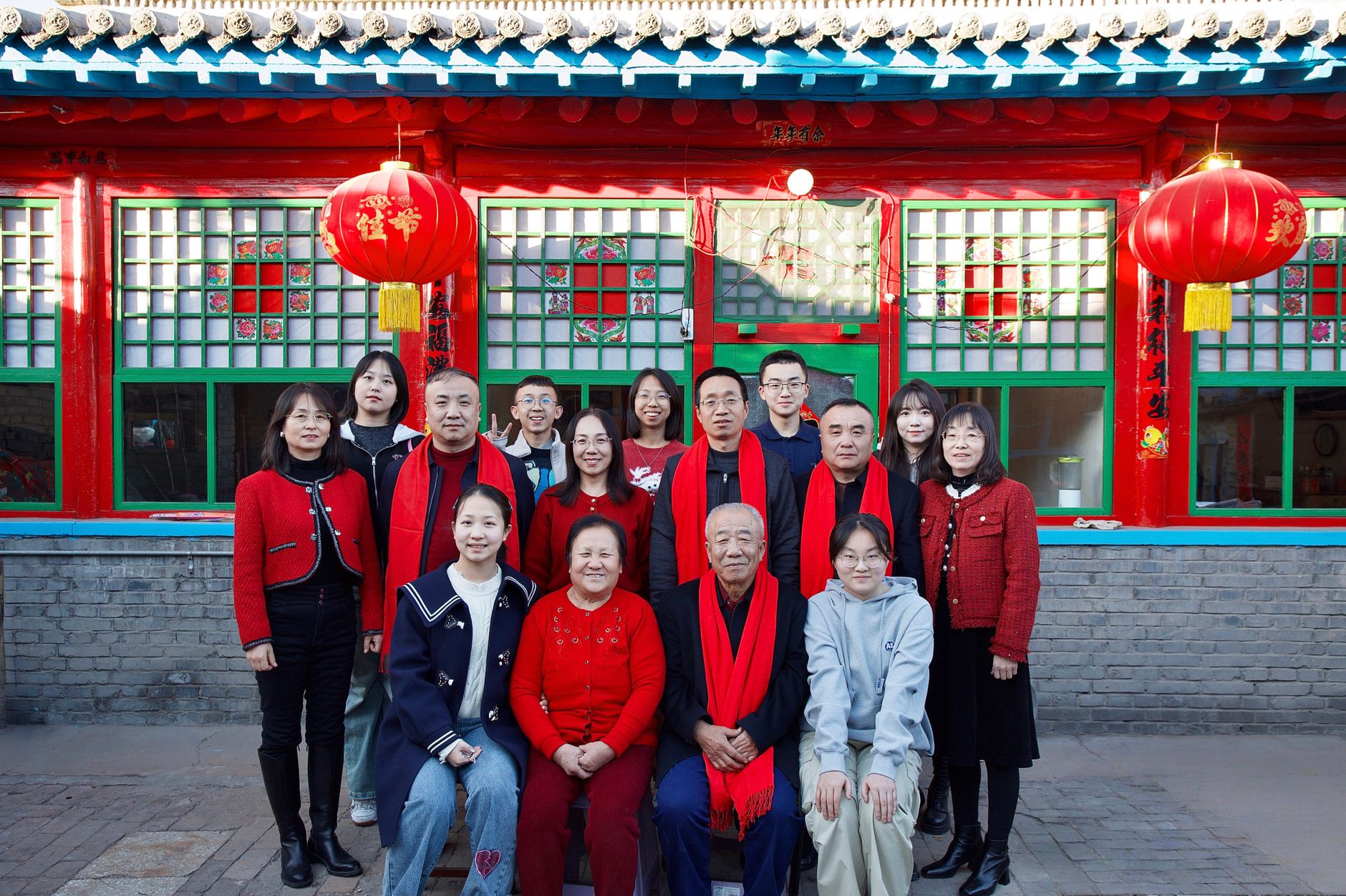
Chinese grandparents are everywhere because family remains one of the most important institutions in Chinese life.
Traditional values, economic realities, multigenerational living arrangements, and strong family bonds have combined to make grandparents an essential part of raising the next generation.
To understand modern China, it is not enough to look at parents and children. You must also look at the grandparents standing quietly beside them, helping shape everyday life in ways both visible and invisible.