


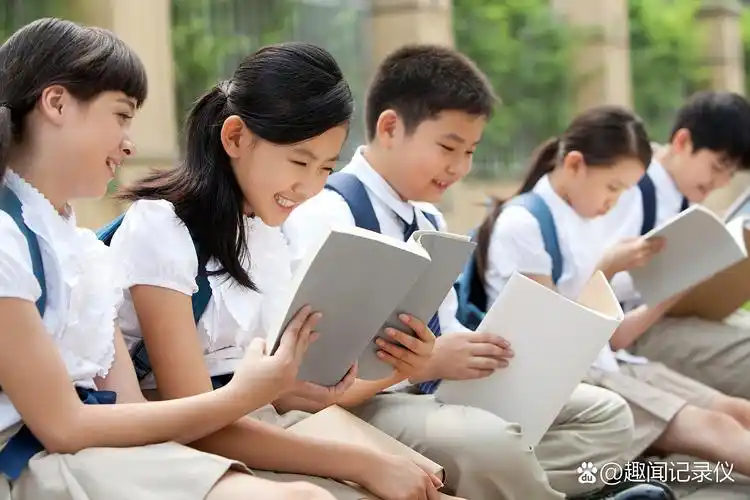
One of the first things many foreigners notice about China is the importance families place on education.
Whether it is extra tutoring, after-school classes, music lessons, or preparation for major exams, Chinese parents often invest enormous amounts of time, money, and energy into their children’s academic success.
To outsiders, this dedication can sometimes seem intense. However, the reasons behind it are deeply rooted in Chinese history, culture, and modern society.
So why do Chinese parents care so much about education?
The answer goes back thousands of years.
A Tradition That Dates Back More Than 2,000 Years
China has long viewed education as one of the most honorable paths to success.
As early as the Han Dynasty, educated scholars held respected positions in government and society. Knowledge was not only valued for personal growth but also as a way to contribute to the nation and improve one’s family status.
For centuries, families encouraged their children to study because education offered opportunities that were otherwise unavailable.
This belief remains influential today.
The Influence of Confucianism
Much of China’s educational culture comes from the teachings of Confucius.
Confucius emphasized:
- Respect for learning
- Self-improvement
- Discipline
- Hard work
- Responsibility to family and society
Unlike cultures that may celebrate natural talent, Confucian thinking often stresses effort and perseverance.
A common belief is that success comes primarily through dedication rather than luck.
As a result, education is often seen as a moral responsibility as well as a practical necessity.
Education as a Path to Opportunity
Historically, many Chinese families viewed education as the most reliable way to improve their lives.
Unlike wealth or social connections, knowledge could not easily be taken away.
Even today, education remains one of the most important factors influencing career opportunities, income, and social mobility.
For many parents, helping a child succeed academically is viewed as an investment in the family’s future.
The Competitive Nature of Modern China
China is home to more than 1.4 billion people.
With so many students competing for university places and professional opportunities, academic performance can have a significant impact on future prospects.
Parents understand that strong educational results may open doors to:
- Top universities
- Better jobs
- Higher salaries
- International opportunities
- Greater career flexibility
This competitive environment encourages families to take education seriously from an early age.
The Role of Family Expectations
Family plays a central role in Chinese culture.
Parents often feel a strong responsibility to provide the best possible opportunities for their children.
At the same time, children may feel a responsibility to honor their parents’ sacrifices through hard work and achievement.
This mutual sense of commitment can create a powerful motivation for academic success.
While some critics argue that this pressure can be excessive, many families view it as an expression of love and support.
Beyond Academic Subjects
Although exam scores receive significant attention, many Chinese parents also encourage skills outside the classroom.
Popular activities include:
- Piano lessons
- Calligraphy
- Sports
- Dance
- Foreign languages
- Coding and technology programs
Parents often hope these experiences will help children become well-rounded and competitive in the future.
Changing Attitudes Among Younger Parents
Modern China is evolving rapidly.
Many younger parents are beginning to place greater emphasis on:
- Mental health
- Creativity
- Personal interests
- Work-life balance
- Critical thinking
While academic achievement remains important, there is growing recognition that success can take many forms.
As a result, educational values in China continue to adapt alongside social and economic changes.
Common Misunderstandings
Some foreigners assume Chinese parents only care about grades.
In reality, most parents want their children to have fulfilling and successful lives.
Education is often viewed as a tool that helps create opportunities rather than an end goal by itself.
The strong emphasis on learning reflects both cultural traditions and practical realities in a highly competitive society.
What Foreign Visitors Often Notice
Foreign teachers and international students in China frequently observe the remarkable respect many families have for education.
Teachers are often highly respected, and academic achievements are celebrated within families and communities.
This respect for learning remains one of the most enduring aspects of Chinese culture.
Final Thoughts
Chinese parents care deeply about education because of a combination of history, culture, family values, and modern economic realities.
For thousands of years, learning has been viewed as a path to personal development, social mobility, and family success.
While educational attitudes continue to evolve, the belief that knowledge can transform lives remains a powerful part of Chinese society today.
Understanding this perspective helps explain not only China’s educational system but also many aspects of everyday life and family culture across the country.