



Long before movies, television, or the internet, Chinese audiences were already enjoying dramatic stories projected onto a screen.
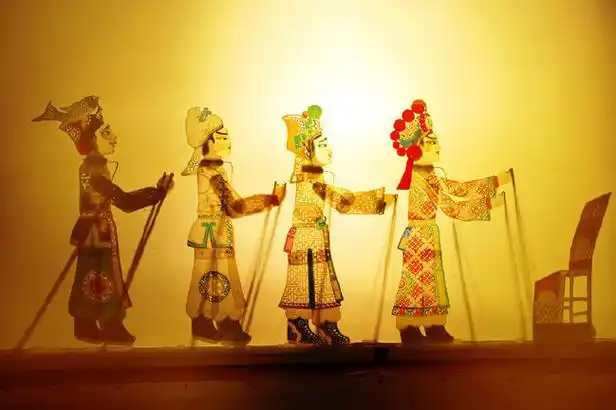
This ancient art form is known as Chinese shadow puppetry, a unique style of storytelling that combines music, singing, craftsmanship, and performance. Using flat leather puppets illuminated from behind a screen, performers bring legendary heroes, historical figures, and mythical creatures to life.
Although it may seem simple today, shadow puppetry was once one of the most popular forms of entertainment in China.
An Art Form More Than 2,000 Years Old
According to Chinese tradition, shadow puppetry originated during the Han Dynasty (206 BC–220 AD).
One famous legend tells of an emperor grieving the death of his beloved concubine. To comfort him, an artist created a lifelike figure and projected its shadow onto a curtain using candlelight. While the story may not be historically accurate, it reflects the ancient roots of shadow theater in China.
Over the centuries, shadow puppetry spread across the country and became a popular form of entertainment for both ordinary people and royal courts.
How Does Shadow Puppetry Work?
The performance takes place behind a white cloth screen.
Flat puppets made from animal hide—usually donkey or cow leather—are carefully carved, painted, and attached to rods. A light source placed behind the puppets casts their shadows onto the screen.
As the puppets move, performers provide voices, dialogue, songs, and sound effects. Traditional musical instruments accompany the performance, creating a complete theatrical experience.
A single puppeteer may control several characters at the same time, requiring remarkable skill and coordination.
Stories of Heroes, Gods, and Legends
Shadow puppet performances often draw from Chinese history, folklore, and classical literature.
Popular stories include:
- The Monkey King from Journey to the West.
- Famous generals from ancient Chinese history.
- Romantic legends and folk tales.
- Stories about gods, spirits, and mythical creatures.
For centuries, shadow puppetry served not only as entertainment but also as a way to preserve cultural traditions and pass stories from one generation to another.
Why Are the Puppets So Colorful?
Although audiences only see the shadows during performances, the puppets themselves are often beautifully decorated.
Traditional craftsmen spend countless hours carving intricate patterns and painting vivid colors onto the leather. Many puppets are considered works of art in their own right.
Different regions of China developed distinctive styles, making it possible to identify where a puppet was created simply by its design.
A UNESCO Cultural Heritage
In 2011, Chinese shadow puppetry was added to UNESCO’s Representative List of the Intangible Cultural Heritage of Humanity.
The recognition highlighted the cultural importance of this ancient art form and encouraged efforts to preserve it for future generations.
Today, museums, cultural centers, and schools across China continue to support shadow puppet artists and performances.
Is Shadow Puppetry Still Alive Today?
While shadow puppetry is no longer a mainstream form of entertainment, it has not disappeared.
Modern artists are experimenting with new stories, technologies, and visual effects to attract younger audiences. Some performances even combine traditional puppetry with digital projections and contemporary music.
Tourists visiting China can still watch live shadow puppet shows in cultural parks, museums, and historic towns.
More Than Just Shadows
At first glance, shadow puppetry may appear to be a simple children’s performance.
In reality, it is a sophisticated art that combines sculpture, painting, music, literature, and theater. It represents centuries of Chinese creativity and storytelling.
For many Chinese people, shadow puppetry is a reminder that great stories do not require advanced technology—sometimes all it takes is light, shadow, and imagination.